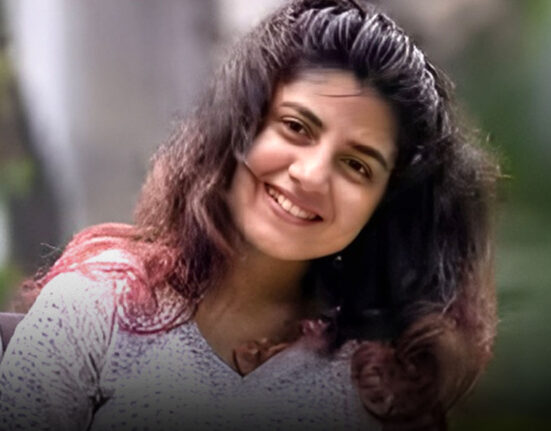
Though all fanatics focus on the runs scored and the wickets taken during each IPL match, what most fans do not see is that, for example, Team Physicians focus on keeping players healthy. Dr Ameya Kagali, who was the Rajasthan Royals Team Physician, describes how Team Physicians have to be on the lookout for all types of injuries, especially those sustained in sports-related head strikes and how to act quickly when someone suffers from one of those types of injuries.
Don’t Just Treat, Prevent
The team physician’s responsibilities start before the start of the playing season, as stated by Dr Kagali. Assessment of a player’s health is undertaken through various tests, such as cardiology tests and nutritional assessments. The overall objective for performing such preventative assessments is to keep players healthy and fit throughout the entirety of the season.
Read More: Historic Win: Blind Indian Women’s Cricket Team T20
Ongoing Health Evaluations During the Competition
Throughout the tournament, medical personnel are in close cooperation with coaches, physiotherapists and fitness coaches to monitor each player’s overall health, fitness and recovery daily to assess the risk of injury and maintain readiness for competition.
Tough Decisions Under Pressure
When athletes get hurt on the field, it’s not only important to determine the severity and type of injury but also whether to allow the athlete to continue playing or rest. Deciding the player’s health is sometimes difficult for physicians because it could affect an athlete’s career, performance and future opportunities as well.
Read More: More Than a Game: Cricketer Jemimah Rodrigues Opens Up About Battling Anxiety
Mental Health Matters Too
Mental health is equally important as physical health in terms of an athlete’s overall welfare. Several factors put pressure on an athlete (e.g., performance expectations, the outside world, or what the public might think), and each factor can negatively impact their mental well-being. The medical team can help athletes effectively manage their stress by teaching them techniques on how to cope with the stress they face day-to-day.
The Holistic Player Care Solution
Today, there is not only an emphasis on physical aspects of athletic performance, but also on mental aspects. Player care consists of prevention, teammates, and optimising performance through proper care to keep athletes healthy both on and off the field.
References +
Bahr, R., & Holme, I. (2003). Risk factors for sports injuries — a methodological approach. British Journal of Sports Medicine, 37(5), 384–392. https://doi.org/10.1136/bjsm.37.5.384
Mahima Nagaraju. (2026, April 25). Former IPL Team Doctor on Injuries, Preventive Care, Mental Health and More. The New Indian Express. https://www.newindianexpress.com/cities/bengaluru/2026/Apr/25/former-ipl-team doctor-on-injuries-preventive-care-mental-health-and-more
Mountjoy, M., Sundgot-Borgen, J., Burke, L., Carter, S., Constantini, N., Lebrun, C., Meyer, N., Sherman, R., Steffen, K., Budgett, R., & Ljungqvist, A. (2015). Authors’ 2015 additions to the IOC consensus statement: Relative Energy Deficiency in Sport (RED-S). British Journal of Sports Medicine, 49(7), 417–420. https://doi.org/10.1136/bjsports-2014- 094371
Reardon, C. L., Hainline, B., Aron, C. M., Baron, D., Baum, A. L., Bindra, A., Budgett, R., Campriani, N., Castaldelli-Maia, J. M., Currie, A., Derevensky, J. L., Glick, I. D., Gorczynski, P., Gouttebarge, V., Grandner, M. A., Han, D. H., McDuff, D., Mountjoy, M., Polat, A., & Purcell, R. (2019). Mental health in elite athletes: International Olympic Committee consensus statement (2019). British Journal of Sports Medicine, 53(11), 667– 699. https://pubmed.ncbi.nlm.nih.gov/31097450/
World Health Organisation. (2022). Mental Disorders. World Health Organisation. https://www.who.int/news-room/fact-sheets/detail/mental-disorders