Statewide programme across 1,500 government primary schools aims to nurture emotionally resilient students, empower teachers, and redefine holistic education.
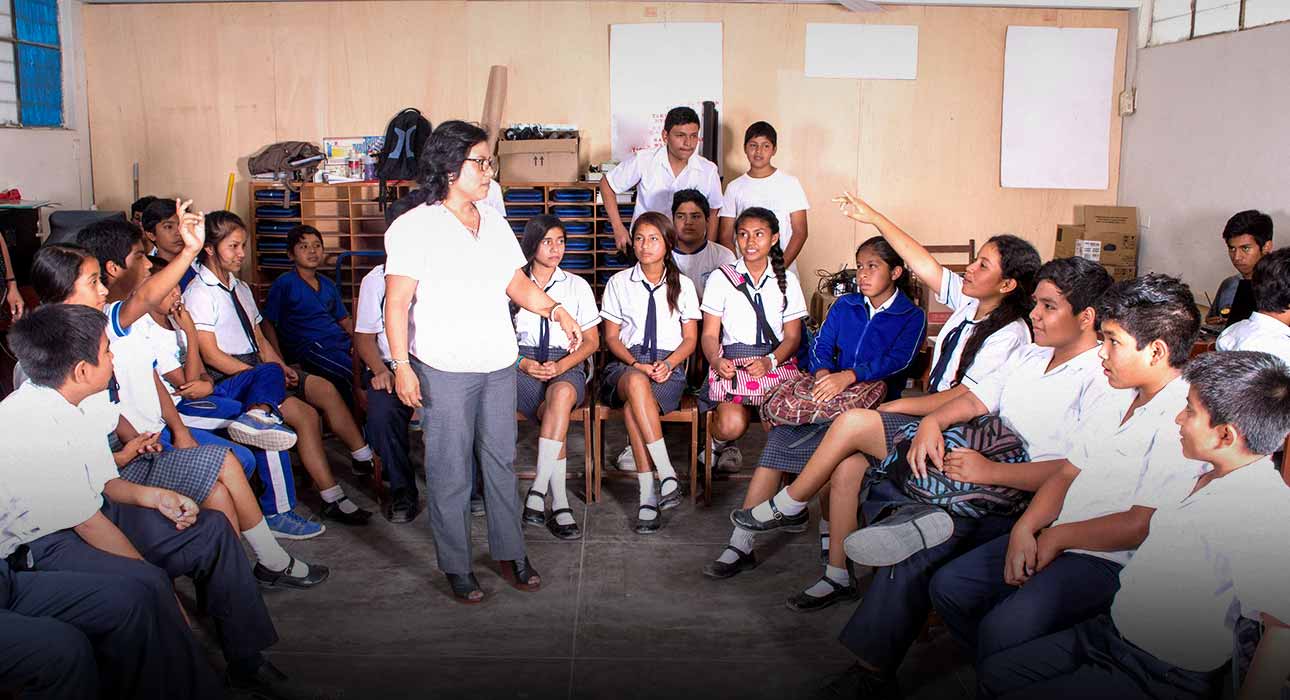
In a pioneering move that places children’s emotional well-being at the centre of education, the Rajasthan government has launched ‘Khushishala’, a comprehensive school mental health programme across nearly 1,500 government primary schools. Designed for students from Classes 1 to 5, the initiative seeks to transform classrooms into emotionally safe, inclusive, and supportive spaces where children can thrive academically, socially, and psychologically (Press Trust of India [PTI], 2026).
Introduced by the Rajasthan State Council of Educational Research and Training (RSCERT), Khushishala marks one of India’s most ambitious efforts to integrate mental health into everyday school education. Moving beyond the traditional focus on examinations and academic performance, the programme encourages schools to prioritise emotional resilience, empathy, self-awareness, and life skills as essential components of a child’s overall development (PTI, 2026).
A Paradigm Shift Towards Holistic Education
For generations, educational success has largely been measured by examination scores and classroom performance. However, educators and mental health professionals increasingly recognise that emotional well-being plays a critical role in shaping children’s ability to learn, communicate, solve problems, and build healthy relationships.
Khushishala reflects this changing understanding by embedding social-emotional learning into regular classroom activities rather than treating mental health as a separate subject. Through structured classroom exercises, storytelling, mindfulness practices, group discussions, creative activities, and emotional awareness sessions, the programme aims to help children recognise, understand, and regulate their emotions while developing confidence and resilience (PTI, 2026).
The initiative also aligns with the broader vision of India’s National Education Policy (NEP) 2020, which advocates a holistic approach to education by promoting students’ cognitive, emotional, ethical, and social development alongside academic achievement.
Read More: India Expands National Mental Health Programme to Boost Services Across 767 Districts
Teachers at the Centre of the Initiative
Recognising that teachers often serve as children’s first mentors outside their families, the Rajasthan government has placed educator training at the heart of Khushishala.
Every participating teacher undergoes a three-day intensive training programme, followed by a 21-day audio-based learning module designed to strengthen their understanding of children’s emotional development, classroom empathy, stress management, behavioural concerns, and psychological first response. Teachers also receive specially designed manuals and digital learning resources that enable them to integrate mental health activities into their daily teaching practices (PTI, 2026).
According to RSCERT Director Shweta Fagediya, the programme represents a landmark step in India’s education system. “Khushishala has made Rajasthan the first state in India to implement a structured mental health and well-being programme at the primary school level. The objective is to strengthen children’s emotional resilience while equipping teachers to better understand and support students’ emotional needs,” she said (PTI, 2026).
Education experts believe that empowering teachers with mental health awareness enables early identification of emotional distress, reduces classroom conflicts, and fosters stronger teacher-student relationships- factors that ultimately contribute to better learning outcomes.
Pilot Programme Demonstrates Positive Results
Before its statewide rollout, Khushishala was piloted in Sirohi and Banswara districts in 2024 with the participation of 120 teachers. The pilot produced encouraging outcomes.
According to RSCERT, students demonstrated a 53% improvement in socio-emotional competencies, while girls recorded an even greater improvement of 69%. Teachers also observed noticeable increases in student participation, classroom confidence, peer cooperation, emotional expression, and overall engagement with learning activities (PTI, 2026).
The findings suggest that integrating emotional well-being into everyday classroom experiences not only enhances students’ psychological health but also creates a more positive and productive learning environment. These promising results laid the foundation for expanding the programme across Rajasthan.
Read More: Strategies for Creating Positive Learning Environments in the Classroom
Scaling Up Mental Health Support Across the State
To ensure effective implementation, Rajasthan has adopted a phased capacity-building strategy. Initially, 165 teachers received advanced training in collaboration with the Kshamtalaya Foundation, combining classroom instruction with digital learning modules. Building upon this, 1,320 teachers representing 33 District Institutes of Education and Training (DIETs) completed specialised training to prepare for district-level implementation (PTI, 2026).
The state government now plans to train 11,305 teachers at the panchayat level and expand Khushishala to 649 PM SHRI schools. Upon completion, over 12,000 schools across Rajasthan are expected to have at least one teacher trained in delivering structured social-emotional learning and mental health support to young children (PTI, 2026). Officials believe this extensive teacher network will play a vital role in embedding emotional well-being into the state’s public education system on a long-term basis.
Why Mental Health in Schools Matters
Globally, mental health concerns among children and adolescents are receiving increasing attention. According to the World Health Organisation, approximately one in seven adolescents experiences a mental health condition, yet many cases remain undiagnosed and untreated. Researchers also note that many psychological disorders begin during childhood, highlighting the importance of early intervention in educational settings (World Health Organisation [WHO], 2024).
Schools are uniquely positioned to promote preventive mental health care because they provide consistent access to children during their formative years. Programmes that strengthen emotional literacy, resilience, communication skills, empathy, and self-regulation not only improve psychological well-being but also contribute to better academic achievement, stronger peer relationships, and reduced behavioural challenges (Raman & Thomas, 2018). Khushishala embraces this preventive approach by encouraging emotional development before problems escalate into more serious mental health concerns.
Read More: The Importance of Life Skills Education in Schools
A Blueprint for Educational Reform
As mental health becomes an increasingly important component of public policy, Rajasthan’s initiative represents more than a state-level education reform; it offers a potential national model for integrating emotional well-being into school systems.
Rather than viewing academic excellence and mental health as separate goals, Khushishala demonstrates that the two are deeply interconnected. Emotionally secure students are more likely to participate actively in classrooms, develop healthy relationships, overcome challenges, and achieve meaningful learning outcomes. By investing in both children’s mental well-being and teachers’ professional development, Rajasthan is redefining what quality education means in the twenty-first century.
If successfully implemented and sustained, Khushishala could inspire similar initiatives across India, reinforcing the idea that schools should not only prepare children for examinations but also equip them with the emotional resilience, confidence, and life skills needed to navigate an increasingly complex world. In an era where conversations around student stress, anxiety, and emotional health continue to grow, Rajasthan’s bold initiative sends a clear message: the future of education lies not only in nurturing young minds but also in safeguarding their mental well-being.
References +
- Press Trust of India. (2026, June 28). Rajasthan launches ‘Khushishala’ in 1,500 government schools to boost student mental health and well-being. The Times of India. Available at: The Times of India article
- Press Trust of India. (2026, June 29). Rajasthan launches primary school mental health drive; student well-being improves by 69%. The Indian Express. Available at: The Indian Express article
- Raman, V., & Thomas, S. (2018). School Mental Health Program in India: Issues and Possible Practical Solutions. Indian Journal of Psychological Medicine. (Referenced in reporting on the initiative.)