






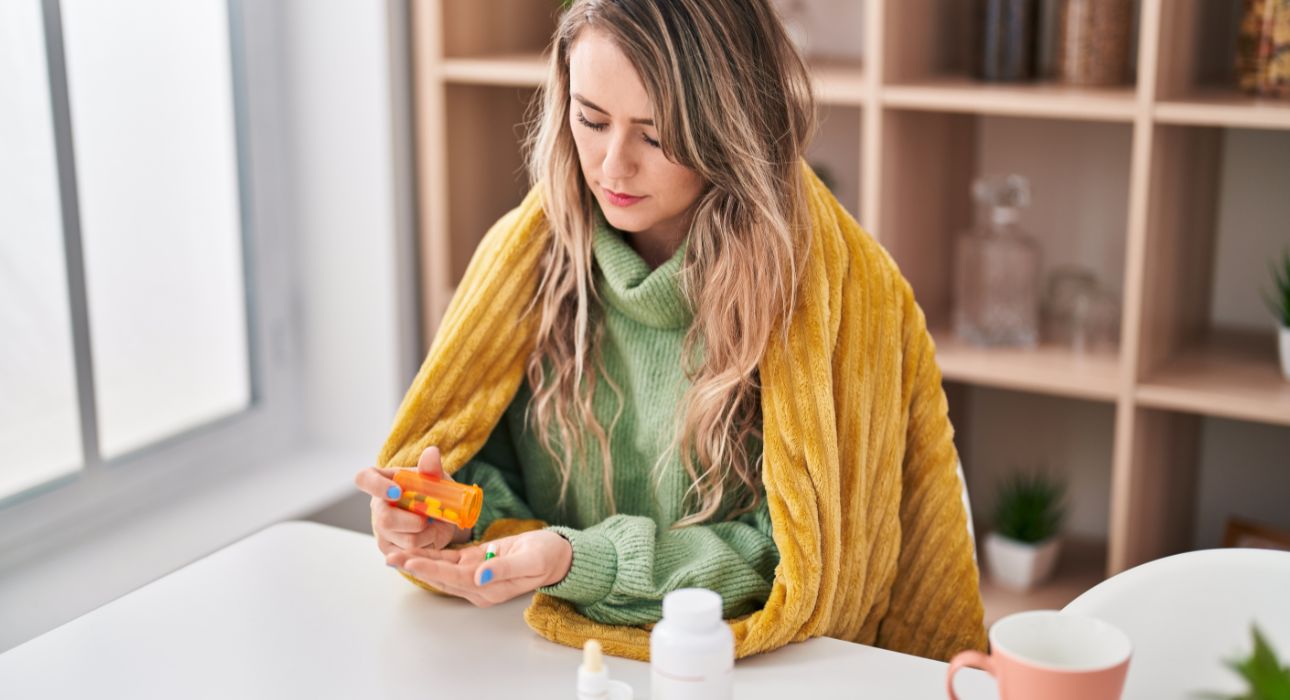
Nobody cracks open a beer and thinks, “Great, this is how my addiction starts.” It’s never that dramatic. Usually it’s something like, I just want to sleep tonight. Or, I can’t sit with this feeling anymore. Or, I only need to get through this one party. Counsellors have a term for this. They call it self-medication, which basically means using alcohol or drugs to calm down the symptoms of something going on in your head. A lot of the time, that something has never had a name. No diagnosis, no doctor, just a person trying to feel okay. And honestly, it’s one of the most common roads into addiction there is.
The Logic Behind Self-Medication
It makes a weird kind of sense when you look at it up close. You’re hurting. Something takes the hurt away. So you reach for it again. I think of a college kid who is terrified of talking to people but finds that after two drinks he can actually hold a conversation. Or a nurse who comes off a night shift with her mind spinning and uses a joint to finally shut it off. Or someone who went through something awful years ago and discovered that pills make the flashbacks go fuzzy. None of these people is trying to get hooked. They found something that worked, and the brain is really good at remembering what worked.
When Two Conditions Become One Problem
Sometimes a person has a mental health condition and a drug or alcohol problem at the same time. The clinical name for that is dual diagnosis (you’ll also hear “co-occurring disorders”). It’s way more common than people assume, and it’s tough to untangle because the two keep feeding each other like a bad loop. Treating just one side almost never sticks. Say a woman quits drinking, but nobody ever helps with her panic attacks. A few months in, the panic shows up again, and now the one thing she used to lean on is gone. That’s a setup for relapse. It’s the reason residential treatment for dual diagnosis tackles both problems together, with clinical staff there day and night, so getting better on one front doesn’t fall apart because of the other.
Common Pairings Between Mind and Substance
People don’t all follow the same script. Still, you’ll see some pairings come up again and again.
| What someone is struggling with | What they may reach for | Why it seems to help |
| Anxiety | Alcohol, sedatives | Nerves settle fast |
| Depression | Stimulants, alcohol | A quick bump in energy |
| Trauma or PTSD | Opioids, alcohol | Memories go numb |
| Can’t sleep | Alcohol, cannabis, sleeping pills | Out cold sooner |
| ADHD | Stimulants, nicotine | Focus for an hour or two |
Every row seems reasonable. That’s the trap.
Why Self-Medication Backfires
The substance never actually fixes what’s underneath. It throws a blanket over it. Give it a few months, and the thing under the blanket usually gets bigger. Alcohol, for example, is a depressant. Drink most nights, and your mood tends to sink lower, not lift. It also messes with deep sleep, so the guy drinking to fall asleep ends up waking at 3 a.m. and feeling wrecked the next day. Plenty of drugs have a rebound effect too, meaning the anxiety comes back harder when they wear off. Your body adjusts, so you need more to get the same calm. Eventually stopping makes you sick, and using again is the quickest fix. That’s how a coping trick slowly turns into its own disorder, sitting right on top of the one it was supposed to help.
What Integrated Care Looks Like
According to the National Institute of Mental Health’s page on co-occurring substance use and mental disorders, getting an accurate diagnosis is important because the symptoms of the two problems can look a lot alike. NIMH also notes that people tend to do best when both are treated in a coordinated way instead of in separate silos. In practice, good care often has a few moving parts:
- An honest look at both the mental health side and the substance side
- Therapy, often cognitive behavioural therapy, to change thinking patterns
- Medication if it helps, for either condition
- Learning other ways to calm down when things get hard
- Support that keeps going after the intense part of treatment wraps up
Signs Someone May Be Self-Medicating
Early on, it rarely looks like a problem. It looks like a glass of wine after work. Some things that might be worth noticing in yourself or someone you love:
- You drink or use because of a feeling, like stress or loneliness
- Sleeping, going out, or getting through work feels impossible without it
- Your mood keeps sliding even though you’re “taking the edge off”
- Bad days feel unmanageable when you can’t use
- You downplay how much, or bristle when anyone brings it up
Patterns like these are classic unhealthy coping mechanisms, the kind that feel like help today but let the real issue grow in the background. Spotting them isn’t about shaming anyone. It’s just recognising that the substance has been doing a job, and that there are better ways to get that job done. Those other ways are slower; I won’t pretend otherwise. A run, a regular bedtime, calling a friend, writing stuff down, a few minutes of slow breathing in the car. None of them hit as fast as a drink. But give them a few weeks, and they start to add up, and they don’t leave you worse off the next morning.
The Bottom Line
Self-medicating doesn’t make you weak. You were in pain and grabbed what was in reach. The relief is just borrowed.
Gritting your teeth usually isn’t enough to get out. What helps is real treatment for both the mental health piece and the substance piece, so feeling okay doesn’t depend on something that’s slowly making things worse.
Frequently Asked Questions
1. What does self-medication mean?
Using alcohol, drugs, or other substances on your own to deal with stuff like anxiety, depression, or trauma, without a doctor or therapist involved.
2. Is self-medication the same as addiction?
Not right away. But if you keep using to manage symptoms, your tolerance goes up, and your body starts depending on it. For a lot of people, that’s how addiction develops.
3. Can someone self-medicate with prescription drugs?
Definitely. Taking an extra pill to calm down or using someone else’s sleeping meds counts, and it happens a lot.
4. How is self-medication treated?
By treating both problems together. That usually means therapy, sometimes medication, and support that sticks around after the main program ends.



Leave feedback about this