







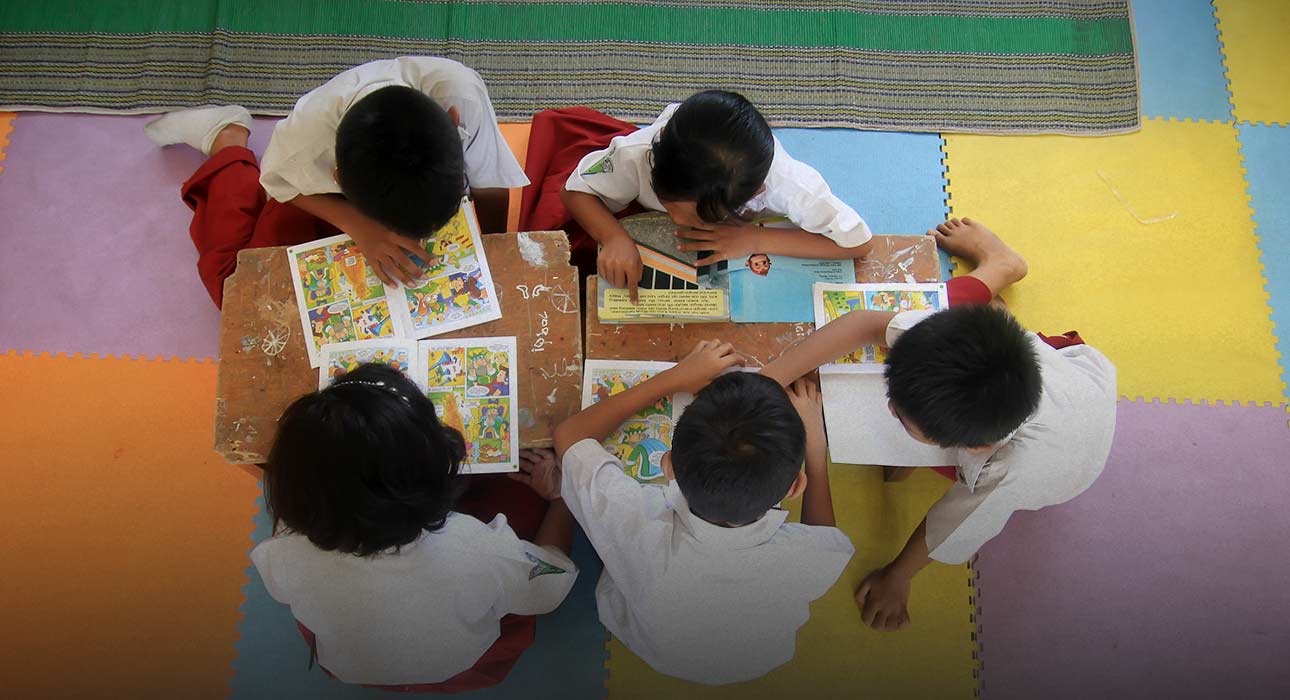
India has a significant opportunity to improve the cognitive abilities of millions of children by reducing exposure to lead, a toxic metal that continues to be found in paints, spices, cosmetics, toys, batteries, and industrial waste. In a recent opinion article published in The Hindu, public health experts argued that addressing lead exposure could increase the average intelligence quotient (IQ) of Indian children by as much as seven points, creating long-term benefits for education, productivity, and economic growth (Lahariya & Paul, 2026).
The authors describe this possibility as a “seven-point IQ opportunity,” emphasising that lead poisoning is a preventable environmental health crisis that often goes unnoticed because its effects are gradual and largely invisible.
How Lead Affects the Developing Brain
According to the World Health Organisation (WHO), there is no safe level of lead exposure for children. Even small amounts can damage the developing brain, affecting memory, attention span, learning ability, and overall cognitive performance. Children are particularly vulnerable because their brains are still developing and they absorb lead more easily than adults.
Research has consistently shown that environmental conditions play a crucial role in determining children’s cognitive outcomes. Factors such as nutrition, health, caregiving, and exposure to harmful substances directly influence brain development and intellectual growth. Experts warn that prolonged exposure can lead to lower educational achievement, reduced earning potential, and increased social and economic inequalities later in life.
A Threat to India’s Human Capital
India is home to one of the world’s largest child populations, making childhood development a critical national priority. Public health specialists argue that reducing lead exposure should be viewed not only as an environmental issue but also as an investment in human capital.
Studies suggest that the first few years of life are particularly important because the brain develops rapidly during this period. Nearly 80–85% of brain development occurs in early childhood, making protection from toxins essential for healthy cognitive growth. A rise in average cognitive ability across the population could contribute to improved educational outcomes, a more skilled workforce, and higher economic productivity, experts note.
Experts Call for Stronger Regulations and Monitoring
The article recommends stricter enforcement of regulations governing lead-containing products and improved monitoring of environmental contamination. Experts also call for greater public awareness regarding sources of lead exposure and regular screening of children in high-risk areas.
Health professionals emphasise the need for coordinated action involving government agencies, schools, healthcare providers, and communities. Measures such as safer manufacturing practices, improved waste management, and routine testing of consumer products could significantly reduce exposure levels.
Read More: The Importance of Life Skills Education in Schools
A Preventable Crisis with Long-Term Benefits
While India has made substantial progress in reducing child mortality and improving nutrition, experts argue that protecting children from environmental toxins must become an equally important priority. The “seven-point IQ opportunity” highlights how relatively simple preventive measures could yield substantial gains in cognitive development and national progress. As policymakers focus on building a knowledge-driven economy, addressing childhood lead exposure may prove to be one of the most cost-effective investments in the country’s future.
References +
- Lahariya, C., & Paul, V. K. (2025, June 15). The seven-point IQ opportunity for Indian children. The Hindu. https://www.thehindu.com/opinion/op-ed/the-seven-point-iq opportunity-for-indian-children/article71101819.ece
- United Nations Children’s Fund. (2020). The toxic truth: Children’s exposure to lead pollution undermines a generation of future potential. UNICEF. https://www.unicef.org/reports/toxic-truth-childrens-exposure-to-lead-pollution-2020
- Institute for Health Metrics and Evaluation. (2024). Global burden of disease study: Lead exposure and health outcomes. University of Washington. https://www.healthdata.org
- World Health Organisation. (2023). Lead poisoning and health. World Health Organisation. https://www.who.int/news-room/fact-sheets/detail/lead-poisoning-and health
- World Bank. (2024). Investing in early childhood development: Essential interventions and economic returns. World Bank Group. https://www.worldbank.org



Leave feedback about this