







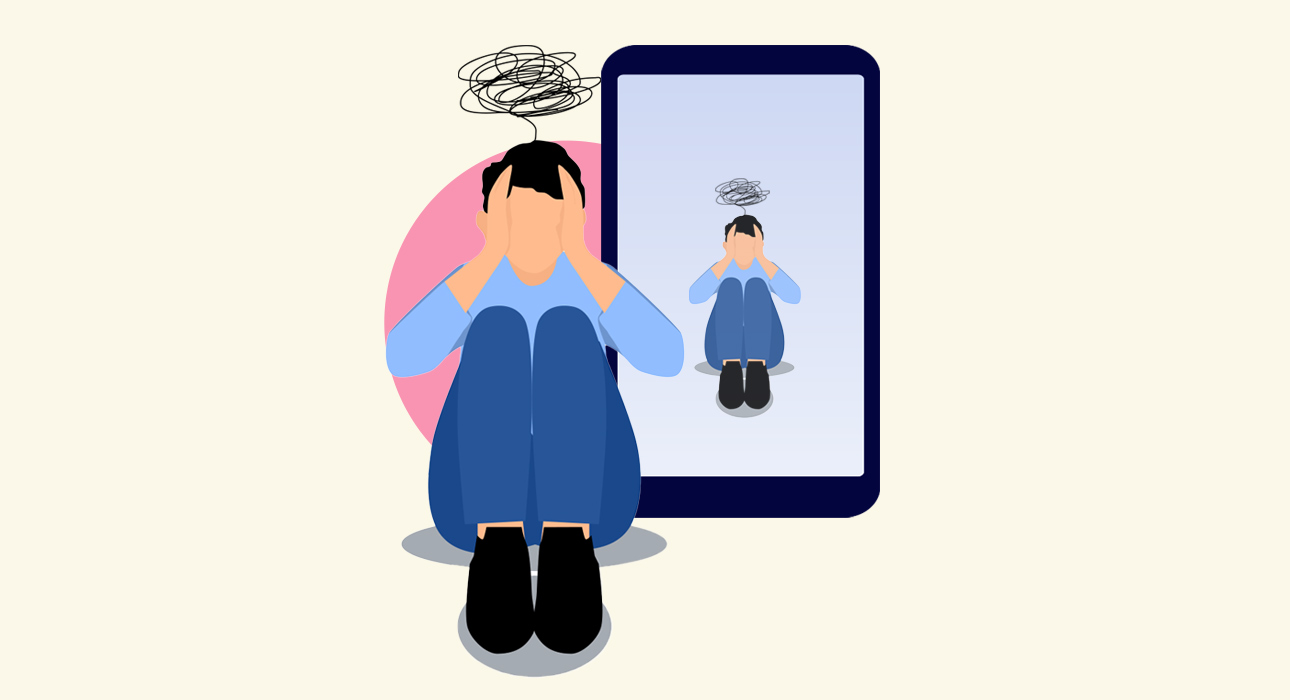
Lately, conversations around mental health seem to pop up everywhere. From viral Instagram reels to endless posts online, the topic keeps on coming up. Some people start asking if this is just another passing wave. Others believe there’s real weight behind it, beyond the noise. Truth sits here. Mental wellness isn’t some passing wave; it hits hard and touches countless lives across continents. Rising? It’s not just a trend; it is a real issue faced by millions of people out there, and downsizing the depth of it by just calling it a trend is not very ethical.
Strange how often we forget that struggling with thoughts isn’t modern. For ages, minds have wrestled invisible battles; only today do microscopes, scans, and clearer words help us see. Close to a billion souls carried a mental condition by 2019’s count, mostly anxiety or low mood gripping them tight (WHO, 2024). Think about it, one out of every eight humans shares this weight. Hardly any trend fades next season; instead, lives bend under its presence, homes feel the strain, jobs shift, and neighbourhoods change shape.
Mental Health Gaining Attention Over Time
Mental health seems trendy these days, and social platforms play a large role. Not just awareness but access shapes how it spreads online. Instagram, YouTube, Twitter; they’re packed with posts on the topic, quality varies wildly though. Some hit the mark, others miss completely. Studies confirm a sharp climb in mental health terms used across digital spaces recently. From 2012 to 2018 alone, “mental health” popped up close to one hundredfold more often in tweets. That jump hints at deeper shifts in conversation habits. People now speak openly where silence once ruled.
A single day can shift how entire countries talk. Take the Canadian campaign, where screens light up with messages about mental well-being, wallets open, and quiet topics become loud. Momentum builds not through slogans but shared moments typed into social feeds, each post chipping away at old taboos (Bell Let’s Talk Day in Canada). What seems fleeting, a wave of posts, is actually a steady pressure on shame, pushing it backwards slowly. Visibility grows when crowds speak together, not because they must, but because someone finally did.
Living with a mental health condition isn’t the same as discussing one. Though awareness grows, what changes is honesty, not prevalence. Realising anxiety or depression aren’t flaws takes time. These feelings existed long before voices rose. Experts agree: naming pain doesn’t create it, just lets light in.
Read More: Fake Authority: How Influencers Spread Myths About Mental Health
Social media is way complicated
Social media shapes much of how we think about mental health in general. Because it allows open sharing, folks tell their experiences online, link up with others, or learn what they need to know (Zsila & Reyes, 2023). When loneliness hits hard, seeing many strangers say “you’re not by yourself” brings real comfort. With spaces such as Facebook groups focused on healing or mental well-being accounts on Instagram, help now travels further, reaching those who once had nowhere to speak.
Not everything about online connections adds up to benefit. Heavy scrolling, mindless and nonstop, ties closely to stress, trouble sleeping, feeling cut off from others, and weak focus (Osman, 2025). One wide look at many papers showed intense usage might dull emotional health, sometimes blocking normal routines (Plackett R, etl, 2023).
A different problem pops up with false information. One study checked TikTok’s top mental health clips; more than fifty per cent shared unclear or potentially harmful tips (Cara Lynn Shultz, 2025). This lighter take on emotional struggles can turn serious subjects into fads, skipping real tools like proven therapies, grounded techniques, or how the mind actually works. Even though social media spreads news fast, it fills spaces with clutter, sometimes twisting how things are seen. What looks like a clear trend might just be chaos, where facts blur into fiction without warning.
Read More: Misinformation in Your Feed: When Social Media Becomes a Mental Health Risk
Real Mental Health Real Progress
Ahead of every headline about awareness, signs point to worsening struggles. Take youth mental health, figures from an NHS study which show a quarter of 16- to 24-year-olds in England faced typical psychological issues by 2024, climbing sharply compared to earlier data (Guardians/Health survey). Young people in India make up about 60 per cent of those seeking help from psychiatrists, showing mental health issues often start early (Times of India report).
Not by chance, these patterns connect closely to worldwide pressures like school demands, unstable careers, money worries, alongside lasting shifts in how we relate and feel after the pandemic. Still, even if discussing mental well-being seems popular now, what’s really going on beneath is both true and urgent.
Mental Health Awareness vs. Mental Health Care
Most folks say mental illness shouldn’t be shameful, yet talking about therapy still feels uncomfortable for plenty. Just because we talk more about feelings does not mean support has improved. A survey in India found that even when people claim acceptance, many hesitate to admit seeking help. That gap suggests old judgments haven’t fully faded. Words may have shifted, but reactions often stay guarded behind closed doors.
One in two folks facing mental health struggles worldwide misses out on proper help; shame, distance, or money often stand in the way (WTCSB overview). That fact shifts things: knowing about the problem isn’t nearly enough. Liking a post might feel right, yet fixing broken paths to real care moves the needle most when it comes to easing pain.
Every year on October 10, people mark World Mental Health Day by sharing facts and fighting silence because understanding grows when voices rise. Though once avoided topics at dinner tables, those inner struggles now appear in chats, classrooms, and even ads, slowly losing their shame thanks to steady reminders that minds matter just as much as bodies.
Read More: World Mental Health Day: Theme, Purpose and Its Importance
So is it just a trend?
Truth is, mental health matters deeply, touching countless lives across the planet. Chances are, what’s actually gaining attention isn’t the condition alone; it’s the dialogue swirling around it, particularly on digital platforms. People now speak up more, thanks to a wider understanding and less shame blocking their way. Quiet struggles of the past now meet daylight, pulled forward by honest words shared too often to ignore. Now it’s normal to talk about feeling stressed or anxious, no instant embarrassment like before. Still, popular ideas sometimes wander off track when facts aren’t holding them up.
Studies point out that real impact comes not just from talking, but from well-informed dialogue and organised efforts seen in youth mental health outreach. Yet knowing isn’t the whole picture. For change to take hold, focus needs to shift toward actual steps, decent support, available services, kind spaces, and clear facts, if efforts around mental well-being are to leave a mark.
Conclusion
Mental health never arrived on a wave of fashion. It lives inside people, shows up in clinics, and shapes daily struggles. Lately, though, voices grow louder, speaking out where silence once ruled. Sharing stories online creates ripples, not noise. The real difference? People listen now, not just hear. Change feels possible, not because everyone’s talking, but because some are finally being believed.
References +
Mental Illnesses Catching Them Young: 60% Of Patients Under 35 | Delhi News – The Times of India https://timesofindia.indiatimes.com/city/delhi/mental-illnesses-catching-them-young-60-of-patients-under-35/articleshow/127724302.cms
One in four young people in England have mental health condition, NHS survey finds. (2025). The Guardian.
Ahuja J, Fichadia PA. Concerns Regarding the Glorification of Mental Illness on Social Media. Cureus. 2024 Mar 21;16(3):e56631. doi: 10.7759/cureus.56631. PMID: 38646360; PMCID: PMC11032084.
Over a billion people living with mental health conditions services require urgent scale-up https://www.who.int/news/item/02-09-2025-over-a-billion-people-living-with-mental-health-conditions-services-require-urgent-scale-up
Are mental health awareness efforts contributing to the rise in reported mental health problems? A call to test the prevalence inflation hypothesis – ScienceDirect https://www.sciencedirect.com/science/article/pii/S0732118X2300003X
Di Cara NH, Winstone L, Sloan L, Davis OS, Haworth CM. The mental health and well-being profile of young adults using social media. Npj Ment Health Res. 2022 Sep 7;1:11. doi: 10.1038/s44184-022-00011-w. PMID: 37994321; PMCID: PMC7615321.
Osman WA. Social media use and associated mental health indicators among University students: a cross-sectional study. Sci Rep. 2025 Mar 19;15(1):9534. doi: 10.1038/s41598-025-94355-w. PMID: 40108293; PMCID: PMC11923176.
Tam MT, Wu JM, Zhang CC, Pawliuk C, Robillard JM. A Systematic Review of the Impacts of Media Mental Health Awareness Campaigns on Young People. Health Promot Pract. 2024 Sep;25(5):907-920. doi: 10.1177/15248399241232646. Epub 2024 Mar 12. PMID: 38468568; PMCID: PMC11370183.



Leave feedback about this