






A recent report has found that over 50% Indians chose waited for a year before seeking help for mental health while 56% first considered self-harm, especially students and unemployed people. The mental healthcare provider Amaha revealed this data collected between October 2025 and September 2026 in its report. It also found that many turned to alcohol or harmful substances instead of professional support, with men aged 18 -54 being higher than women.
The Amaha Mental health Report 2026 included interviews of 13,825 people in the above-mentioned period and found that only 11.03 per cent of the interviewees had sought help within a month of voicing their concerns. It sheds light on several issues from loneliness, depression and speaking to known acquaintances instead of relying on professional advice and help.
Mental Health Challenges Found
The most common mental health concerns in those who were interviewed were anxiety (72.1%), stress (67.5%), low mood (58.3%), relationship and interpersonal challenges (55.6 %) and frequent mood swings (54.1%), according to the Press Trust of India. The Amaha Mental Health Report 2026 also found that 44.6 % of the individuals had resorted to self-help before seeking professional help.
Alternative Coping Mechanisms That Were Used
Several individuals (82.7%) used coping mechanisms to divert themselves and try to deal with the issue by using excessive screen time, working overtime and sleeping extra hours. Exercise and journaling was adopted by 43.1% of the interviewees to channel their difficulty into a healing action. The Amaha report also highlighted that 55% of the interviewees had spoken to friends and family before seeking professional help. A quarter of the individuals (32.9%) had previously tried therapy while 19.4 % had been prescribed mental health medication.
Self-Harm as a Coping Mechanism
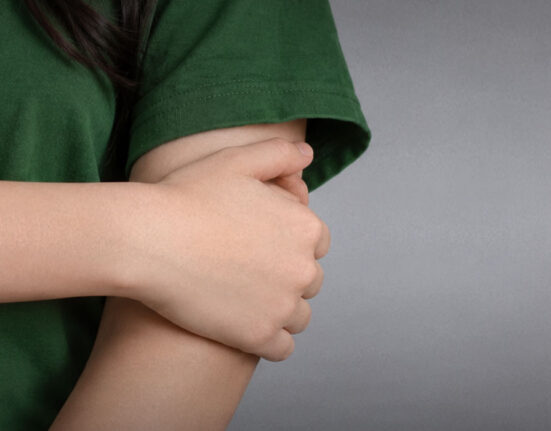
Self-Harm also called non-suicidal self-injury (NSSI) happens when people choose to cause physical harm to briefly stop emotional pain, suicidal thoughts or depressive feelings. This involves cutting, burning, hitting or scratching the self to feel temporary pain and forget the problem. This is a sign of deep emotional distress. A few reasons why people choose self-harm is to
- Deal with sadness, anger or guilt
- Escape from heavy and overwhelming thoughts
- Express pain they cannot speak of
- Trying to gain control over their emotions
- A deep form of hopelessness and helplessness
Negative Impacts of Substance Use on Mental Health
Several studies have found a strong link between substance use and mental health with young people, especially Gen Z, being more vulnerable and open to this. Mental Health challenges can increase dependence on substances like marijuana, alcohol, tobacco and psychotropic drugs as self medication to escape emotional distress and trauma. These same substances can also negatively impact cognitive function, academic, employability and well-being giving rise to mental health challenges where there have been none. Use of substances can also lead to aggression, isolation, feelings of worthlessness, frequent mood swings and constant fear and paranoia.
Positive and Impactful Solutions
In many parts of India, mental health awareness is still lacking and while it is understood. Certain situations could lead to negative perception of the individual who is facing the issue. Some easy and simple steps in such cases that have also been proven by therapy and research are:
- Deep breathing to calm down
- Acceptance instead of denial of emotions
- Mentally reframing the thought from negative to positive
- Total Acceptance Instead of Judgment and Rejection
Conclusion
In the last few years, India is doing its best to upgrade its mental health frameworks and create awareness. However, the report highlights how many people in India still are afraid to seek help in fear of stigma. This requires a holistic approach in terms also enabling such individuals to be confident also healing themselves without any external mechanism. This can include meditation, positive thinking, self-reliant and independent actions, among much else. The study highlights that while community help is certainly important, it is also becoming increasingly necessary to stress on the fact that individuals can retain their own power while also seeking help from others.
Reference +
- Icall https://icallhelpline.org/understanding-and-coping-with-self-harm__trashed/
- Indian Psychology Journal https://ijip.in/pdf-viewer/?id=50446
- Manipur Gov Blog https://blog.mygov.in/self-harm-awareness-day-2025-you-are-not-alone/
- NAMI https://www.nami.org/blog/self-help-techniques-for-coping-with-mental-illness/
- NDTV https://www.ndtv.com/health/56-per-cent-reported-self-harm-thoughts-before-seeking-mental-health-care-report-12188480

Leave feedback about this