







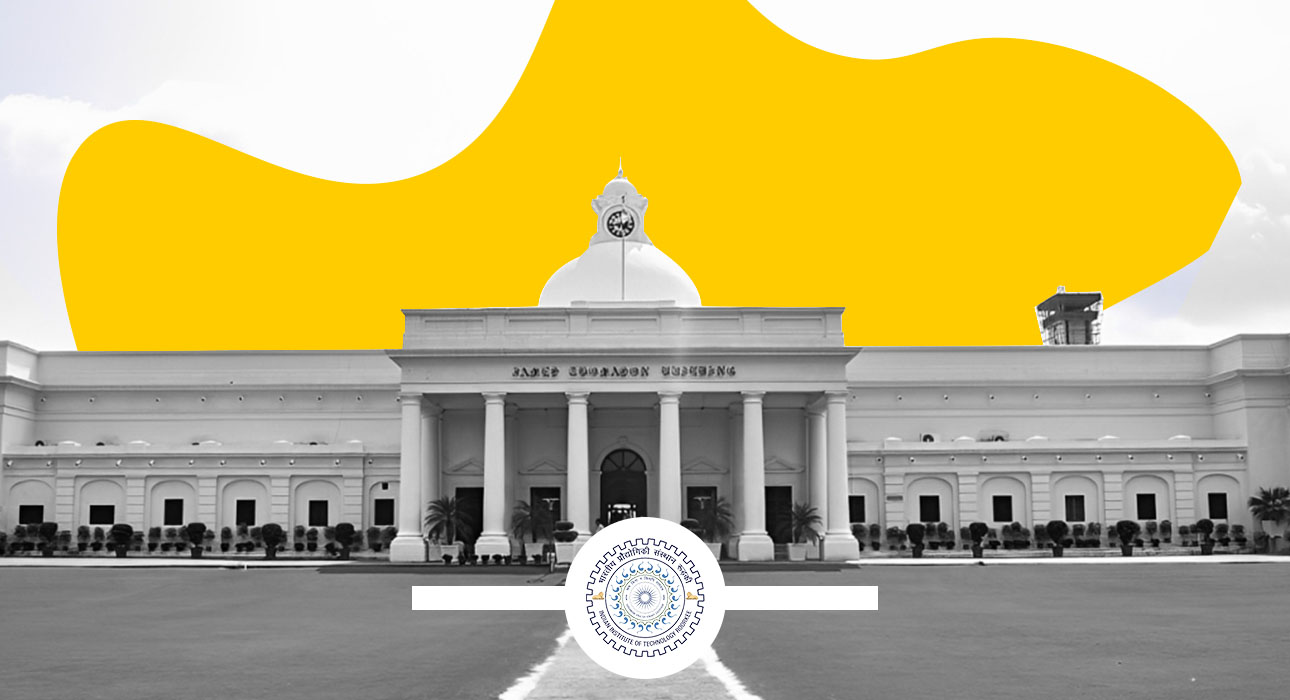
In a society where psychological struggles are often overlooked by academic and financial success, IIT Roorkee has shifted the focus from achieving maximum placement rates to improving the lifestyle of students. The drafting of the first and comprehensive Mental Health Policy aiming to support students, faculty, staff and the wider campus community can be a major step in the direction of improving the societal attitude towards mental and behavioural well-being.
This initiative might serve as an important model for other institutions in India about how they should be approaching the issue. The policy was developed through extensive consultations by the institute’s Wellness Centre, involving clinical psychologists, faculty, and administrative heads. By aligning with directives from the Supreme Court of India and the University Grants Commission (UGC), IIT Roorkee has positioned itself as a pioneer, providing a blueprint for educational institutions across the nation to prioritise the psychological resilience of their communities.
Need for Mental Health Policy
The need for a clear policy arises from the growing complexity of challenges encountered by students in engineering institutions or generally by students in higher education. Often, the premium label of IIT, IIM, or the dream college, dream course comes with a psychological price that is often brushed off under the label of being successful. This ends up affecting the mental and physical well-being of the student. Various factors have played an important role in highlighting the need of comprehensive strategy.
Academic Pressure
The strong competition for grades, internships, and placements leads to a stressful situation where a person’s sense of self-value is frequently connected to their academic achievements.
Increase in the number of Suicides
National Crime Records Bureau (NCRB) data has shown a distressing trend, with student suicides rising significantly over the last decade. As per a report – ‘Student Suicides: An Epidemic Sweeping India’, pointed out that there has been a 4 per cent rise in student suicides each year, which is twice the national average of 2 per cent. In 2025 alone, 16 suicides were reported across various IITs, highlighting the wide gap between existing interventions and the demand of students.
Barriers to mental health support
The most vulnerable age group to mental health issues and suicide is 15-29. However, the majority of the individuals within this age bracket are not economically independent, while the cost of therapy or mental health support is quite high, making it hard to access. The 2015-16 NIMHANS survey also showed that between 70% and 92% of individuals with mental disorders do not get appropriate treatment because of low awareness, social stigma, and a limited number of mental health professionals.
A policy ensures that mental health is not merely a response to a crisis or attempt to cover up, but a proactive commitment by the institution, legally and morally protecting the student’s right to life and dignity as outlined in Article 21.
Read More: NIMHANS 2.0 Gets a Slot in The 2026 Budget
SAHYOG
The success of SAHYOG 1.0 in the year 2024 provided a strong foundation for SAHYOG 2.0, aiming at practical solutions and learning. The collaborative session of 2024 helped different organisations learn together and highlighted the importance of creating a policy that focuses on students, includes everyone, and is easy to apply. It not only helped in strengthening the initiative but also provided other IITs a chance to contribute meaningfully to the mental health policy framework of the IIT community.
The purpose of this discussion was to gain knowledge from the current policies, procedures, and governance structures implemented at various IITs, and to use these insights to develop a thorough, inclusive policy that reflects the needs and interests of both students and the broader IIT community. It further emphasises the critical role of higher education institutions in mental health governance, which aligns with the recent directives of the Hon’ble Supreme Court of India and the University Grants Commission (UGC), providing an initiative with strong pillars to be built upon.
Implications of the Policy
Even though the complete details of the policy are not published, the approach being pursued suggests that the policy would likely benefit the students. The major focus would be desigmatization of mental health issues through wellness literacy. A 2025 literature review confirmed that stigma in India is often driven by cultural beliefs and fear of social exclusion, which leads to avoidance of the issue rather than clinical consultation (Mallik, 2025).
The policy integrates mental health education in the orientation program. This approach will motivate students to seek help when in need, as well as support their peers and community, creating a holistic environment. Policy would further focus on increasing the number of counsellors working in the institution who would be responsible for providing students and staff with proper support.




Leave feedback about this