







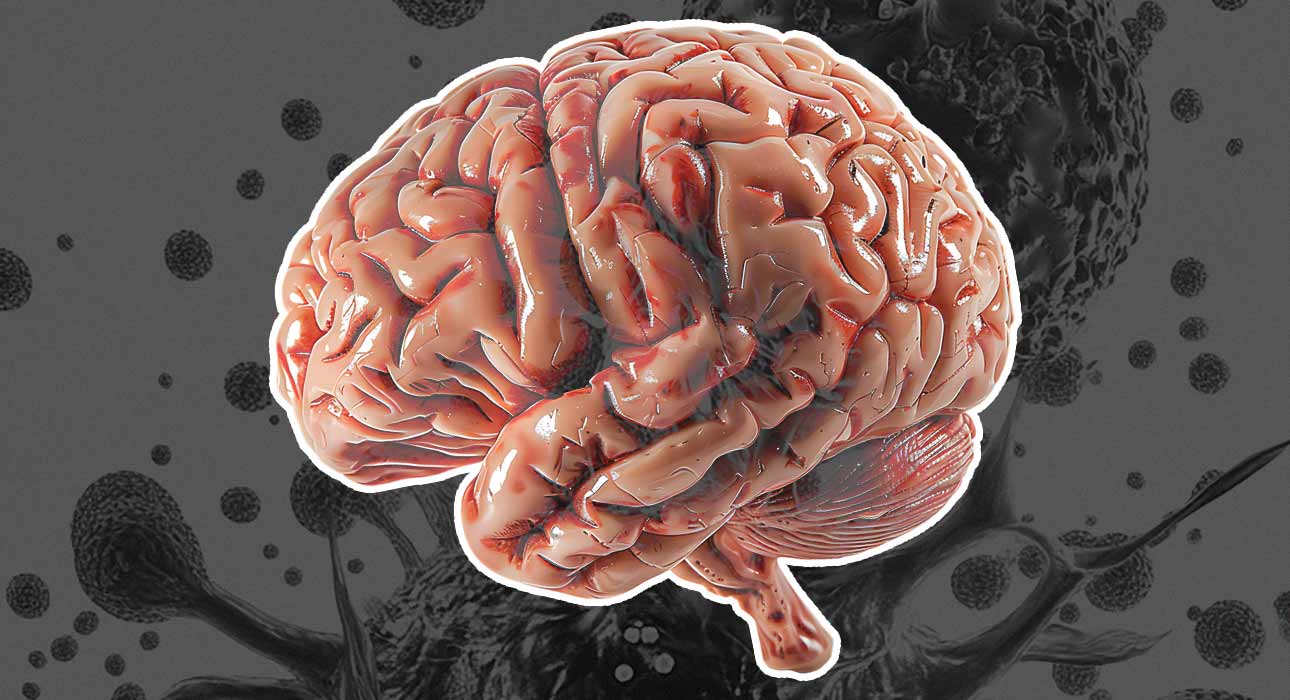
The research examines how glial cells, often known as the brain’s support cells, play an important role in Post-Traumatic Stress Disorder (PTSD). Traditionally, studies of PTSD have focused mainly on neurons, but this study highlights that glial cells also actively influence how the brain responds to stress and trauma. The findings suggest that changes in glial cell activity may help explain why some individuals develop PTSD after experiencing traumatic events.
Understanding Glial Cells and PTSD
The brain is made up of neurons and glial cells. While neurons transmit signals, glial cells help regulate communication, provide nutrients, and protect brain tissue. PTSD is a mental health condition that can develop after trauma and is marked by ongoing fear, emotional distress and difficulty managing memories. The research explores how glial cells affect these symptoms by influencing how neurons communicate during stressful experiences.
Read More: Psychological Interventions for PTSD in Adolescents
Research Details
The study was led by Dr Ryan Bachtell at the University of Pittsburgh along with his research team. The researchers examined how glial cells respond to stress hormones and how these responses influence behaviour in animal models that show PTSD like symptoms. A combination of cellular and behavioural methods was used to understand how stress changes glial function and how these changes affect fear learning and emotional regulation. The research was supported by major neuroscience and mental health funding organisations, adding scientific credibility to the findings.
Major Findings
The study found that glial cells directly respond to stress hormones and change their activity. These changes influence neural communication, affecting memory formation and fear processing. Disrupted glial function was associated with PTSD-like behaviours, highlighting that glial cells play an active role in trauma-related brain changes.
Authors’ Perspective
Dr Bachtell and colleagues explain that PTSD involves changes in both neurons and glial cells. Their work suggests that glial cells significantly influence how the brain handles stress and fear. Understanding this interaction may help explain why people respond differently to trauma and could guide future treatments that focus on restoring healthy glial function.
Read More: How your body responds to Trauma
Conclusion
This research highlights that glial cells are deeply involved in how the brain responds to traumatic stress. By shaping communication between neurons, these cells influence fear learning, emotional memory and stress regulation. The findings move beyond traditional neuron-focused views of PTSD and open new directions for understanding trauma-related disorders. Future treatments may benefit from targeting glial cell activity alongside neuronal pathways to better support recovery from PTSD.



Leave feedback about this