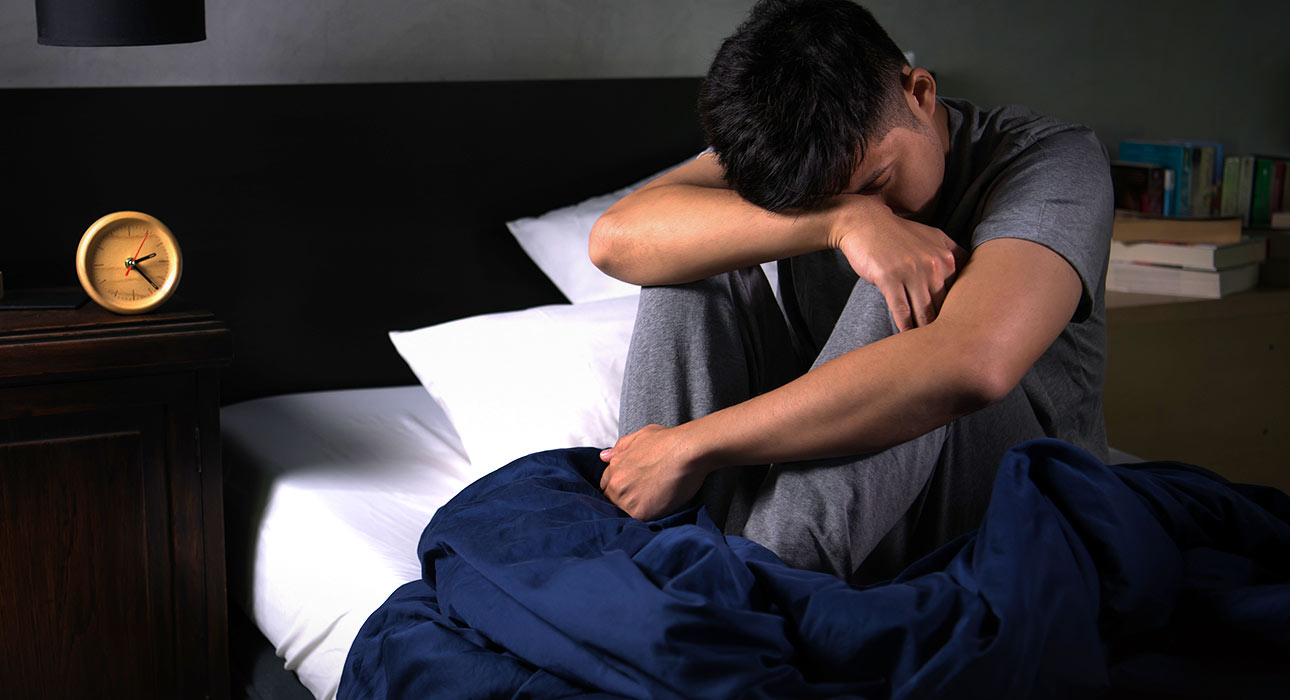
A recent study conducted among school-going adolescents in Delhi has revealed a worrying trend: nearly one in five teenagers is clinically sleep-deprived. The findings highlight a growing public health challenge linked not only to disrupted sleep patterns but also to declining academic performance, cognitive difficulties, and symptoms of depression among young people. The research, conducted by Sir Ganga Ram Hospital’s Institute of Child Health in collaboration with the National Health Systems Resource Centre (NHSRC), assessed more than 1,500 adolescents aged 12–18 years across Delhi schools.
Read More: The Psychology and Neuroscience of Sleep Deprivation in Modern Society
Study Reveals Significant Sleep Deficit Among Adolescents
According to the study, 22.5% of adolescents were found to be clinically sleep-deprived. Researchers used standardised sleep assessment tools and found that inadequate sleep was widespread across different socioeconomic backgrounds. The report identified sleep deprivation as a growing concern that affects not only physical health but also emotional well-being and daily functioning among adolescents.
Dr. Latika Bhalla, Senior Consultant and Adolescent Paediatrician at Sir Ganga Ram Hospital, noted that sleep deprivation often remains unnoticed until it begins affecting academic performance, concentration, and emotional health.
Screen Time, Binge-Watching, and Academic Pressure Driving the Problem. The study identified excessive screen use, late-night binge-watching, and academic stress as key contributors to poor sleep hygiene among adolescents. Researchers found that many teenagers delay bedtime due to prolonged engagement with smartphones, social media, streaming platforms, and academic demands. These habits disrupt natural sleep cycles and reduce total sleep duration.
Experts explained that adolescence is already a period marked by biological shifts in sleep patterns. When combined with heavy academic workloads and increased screen exposure, these factors can significantly worsen sleep quality and increase the likelihood of chronic sleep deprivation.
Read MORE: Screen Fatigue and Academic Stress in the Age of Digital Education
Academic Performance and Cognitive Functioning Affected
The study found a measurable impact of sleep deprivation on academic outcomes. Sleep-deprived students recorded an average academic score of 64%, compared to 67% among their peers who reported adequate sleep. Researchers also observed that approximately 65.7% of participants demonstrated poor cognitive functioning, primarily in the mild-to-moderate range.
Sleep plays a crucial role in memory consolidation, attention, learning, and problem-solving abilities. Insufficient sleep can impair these cognitive processes, making it more difficult for students to focus in classrooms, retain information, and perform effectively in examinations.
Strong Link Between Sleep Deprivation and Mental Health
Perhaps the most concerning finding was the association between sleep deprivation and psychological distress. The study reported that nearly 60% of participants exhibited symptoms of depression, with poorer sleep hygiene strongly linked to greater levels of sleep deprivation. Researchers observed that adolescents experiencing inadequate sleep were more likely to report emotional difficulties, low mood, and social withdrawal.
Previous research has similarly demonstrated a connection between poor sleep quality and depressive symptoms among adolescents, suggesting that sleep health should be considered an essential component of youth mental health interventions.
Experts Call for Urgent Action
Health experts are urging schools, parents, and policymakers to address adolescent sleep health more proactively. Recommendations emerging from the study include integrating sleep education into school curricula, training teachers to recognise signs of sleep deprivation, promoting healthy sleep habits, and encouraging parental involvement in monitoring sleep routines.
Researchers emphasise that improving sleep hygiene– such as limiting screen use before bedtime, maintaining consistent sleep schedules, and creating supportive sleep environments could help reduce both academic difficulties and mental health challenges among adolescents.
A Wake-Up Call for Parents and Schools
The findings serve as a reminder that sleep is not a luxury but a necessity for healthy adolescent development. As academic pressures and digital engagement continue to grow, experts warn that ignoring sleep deprivation could have long-term consequences for the cognitive, emotional, and educational outcomes of young people. Addressing the issue now may prove critical in safeguarding the well-being of the next generation.
References +
- Upadhyay, A. (2025, June 6). 1 in 5 adolescents in Delhi are clinically sleep-deprived. Here’s what the study shows. The Indian Express.
- https://indianexpress.com/article/cities/delhi/1-in-5-adolescents-delhi-clinically-sleep deprived-heres-what-study-shows-10052326/
- World Health Organisation. (2024). Adolescent health- https://www.who.int/health topics/adolescent-health
- American Academy of Sleep Medicine. (2016). Recommended amount of sleep for pediatric populations: A consensus statement of the American Academy of Sleep Medicine. Journal of Clinical Sleep Medicine, 12(6), 785–786. https://doi.org/10.5664/jcsm.5866