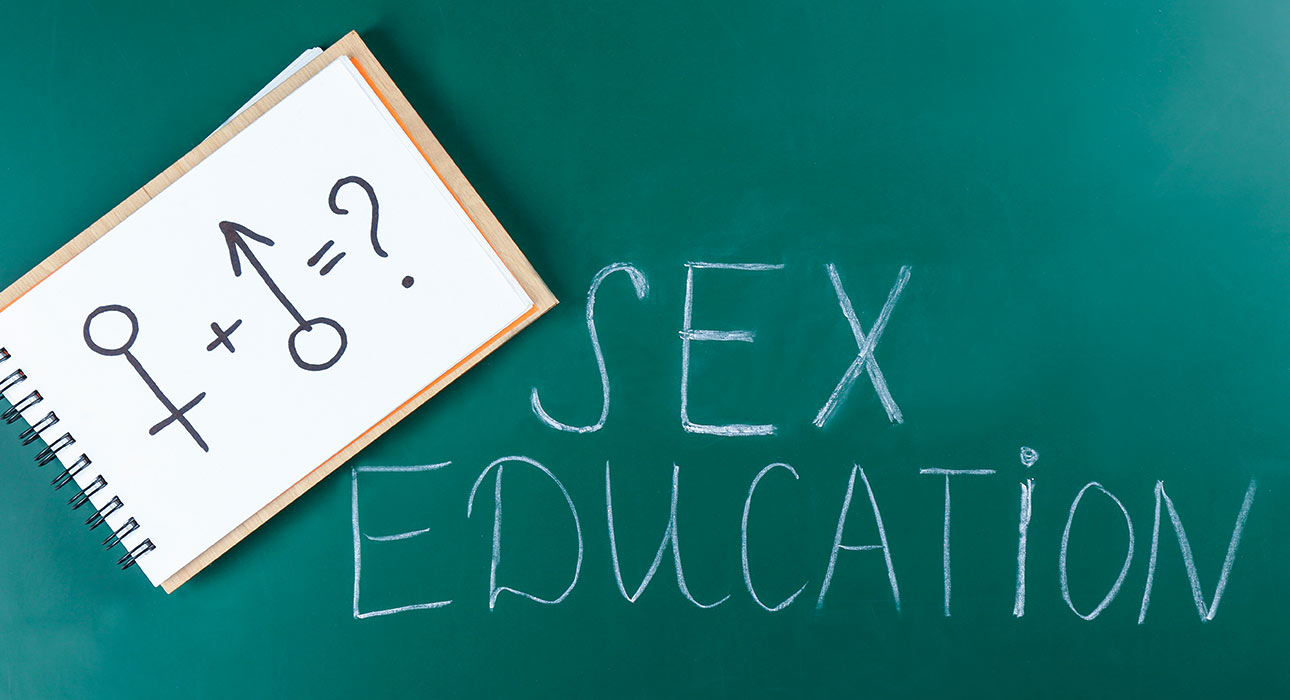
In a significant policy development that could reshape adolescent education in India, the Central Government has informed the Supreme Court that it has accepted an expert committee’s recommendations to introduce Comprehensive Sex Education (CSE) in schools and colleges. The proposal, which awaits the Supreme Court’s approval before nationwide implementation, marks one of India’s most notable moves towards integrating scientifically accurate and age-appropriate sexuality education into the formal education system (The Times of India, 2026).
The submission was made before a Supreme Court Bench comprising Justices B.V. Nagarathna and R. Mahadevan, where Additional Solicitor General Aishwarya Bhati, representing the Centre, stated that the government was prepared to implement the recommendations after judicial approval. The development follows the Court’s earlier directions to examine measures addressing the growing concerns surrounding adolescent pregnancies, child protection, and the criminalisation of consensual relationships involving minors under the Protection of Children from Sexual Offences (POCSO) Act, 2012.
Read More: Importance of Sex Education
Expert Committee Recommends Comprehensive Curriculum
The recommendations were prepared by a 26-member national expert committee headed by an Additional Secretary in the Ministry of Women and Child Development. The committee brought together experts from multiple disciplines, including representatives from the Tata Institute of Social Sciences (TISS), clinical psychologists, officials from central ministries, state governments, the National Commission for Protection of Child Rights (NCPCR), and the National Legal Services Authority (NALSA). Among its key recommendations are:
- Introducing age-appropriate Comprehensive Sex Education as part of the regular school curriculum.
- Including child sexual abuse awareness within the core syllabus.
- Providing scientifically accurate information on puberty, bodily autonomy, consent, reproductive health, healthy relationships, and personal safety.
- Equipping children with life skills that enable informed decision-making while promoting dignity, respect, and gender sensitivity.
Read More: How to Introduce Sex Education in Schools?
A Shift from Taboo to Public Health
For decades, sex education has remained one of India’s most debated educational topics. While elements of reproductive biology are included in school science textbooks, comprehensive sexuality education covering consent, emotional relationships, gender identity, personal boundaries, sexual abuse prevention, and reproductive health has often faced resistance due to cultural and social taboos.
Experts argue that comprehensive sexuality education is not intended to encourage sexual activity among adolescents but rather to provide them with factual information that promotes safety, health, and responsible decision-making. International organisations, including UNESCO and the World Health Organisation (WHO), have consistently recommended age-appropriate sexuality education as an essential component of adolescent health promotion and violence prevention (UNESCO, 2018).
Focus on Child Protection
One of the committee’s strongest recommendations is the inclusion of child sexual abuse prevention within school education. Child rights advocates have long argued that teaching children about body safety, consent, and recognising inappropriate behaviour can significantly strengthen early reporting and prevention of abuse.
The recommendation aligns with growing concerns regarding child safety and the increasing number of cases reported under the POCSO Act. By equipping children with age-appropriate knowledge, policymakers hope to improve awareness while reducing stigma surrounding conversations about abuse and personal safety.
Legal and Educational Significance
The Supreme Court has yet to issue its final order on the matter. During the hearing, amicus curiae Senior Advocates Madhavi Divan and Liz Mathew welcomed the expert committee’s report while urging the Court to clearly define what constitutes “Comprehensive Sex Education” to ensure consistent implementation across educational institutions.
If approved, the initiative could become one of the most significant reforms in India’s school education system, potentially replacing fragmented reproductive health lessons with a structured, evidence-based curriculum that addresses physical, emotional, psychological, and social aspects of adolescent development.
Challenges Ahead
Despite broad support from health professionals, implementing Comprehensive Sex Education nationwide may face practical and cultural challenges. Previous attempts to introduce similar programmes encountered opposition in several states over concerns related to cultural values and misconceptions regarding sexuality education.
Successful implementation will likely depend on teacher training, culturally sensitive curriculum development, parental engagement, and clear communication that the programme focuses on health, safety, respect, consent, and child protection rather than promoting sexual behaviour. Education experts believe that addressing misinformation through evidence-based teaching could contribute to improved adolescent health outcomes, reduced stigma around sexual and reproductive health, and stronger protection against abuse.
Looking Forward”
India’s move towards Comprehensive Sex Education represents more than a curriculum change- it reflects an evolving understanding of adolescent well-being as an essential component of education. As the Supreme Court considers the expert committee’s recommendations, the proposal has reignited a national conversation on balancing cultural sensitivities with the need to equip young people with accurate information and life skills necessary for healthy development. Should the Court approve the recommendations, schools across the country may soon witness a historic transformation in how health, relationships, consent, and personal safety are taught to future generations.
Read More: Sex Education and its Importance in life
References +
- Government of India. (2012). The Protection of Children from Sexual Offences Act, 2012. https://www.indiacode.nic.in/
- The Times of India. (2026, July 14). Comprehensive sex education coming soon to schools, government tells Supreme Court. https://timesofindia.indiatimes.com/india/comprehensive-sex-education-coming-soon-toschools-government-tells-supreme-court/articleshow/132376299.cms
- India Today Education. (2026, July 14). Comprehensive sex education may soon be introduced in schools, according to the Centre to the Supreme Court. https://www.indiatoday.in/educationtoday/news/story/comprehensive-sex-education-may-soon-be-introduced-in-schoolscentre-to-supreme-court-2947553-2026
- Hindustan Times. (2026, July 14). Sex education in schools: Centre plans comprehensive curriculum, informs Supreme Court. https://www.hindustantimes.com/education/news/sex-education-in-schools-centre-planscomprehensive-curriculum-informs-supreme-court-101784010727471.html
- UNESCO. (2018). International Technical Guidance on Sexuality Education: An Evidence-informed Approach. https://unesdoc.unesco.org/ark:/48223/pf0000260770
- World Health Organisation. (2023). Sexual and reproductive health. https://www.who.int/health-topics/sexual-health