






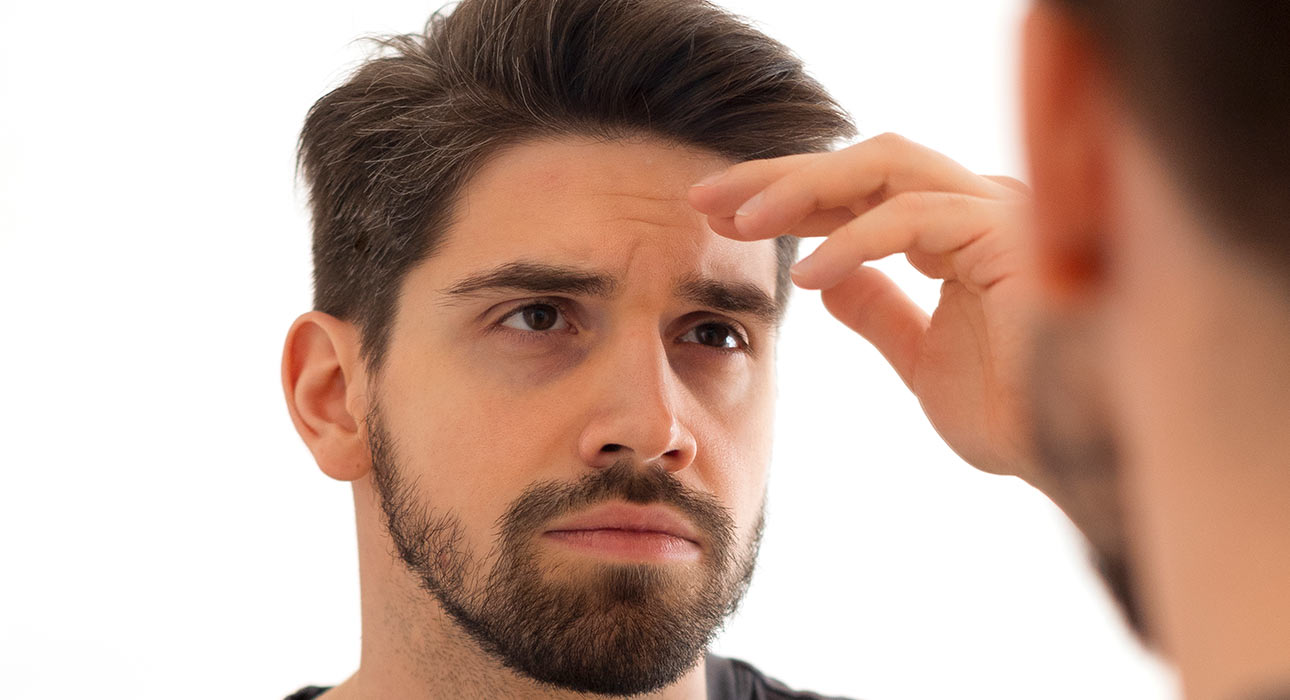
The concept of intimacy is not only about physical closeness but also about psychological comfort. The body image of a person is their perception of their physical appearance, which is subjective in nature and plays a very important role in shaping confidence in sexual terms. Openness is fostered by positive body image, trust, and enjoyment in sexual relationships, whereas negative body image can lead to avoidance, anxiety, and reduced satisfaction. Self-esteem theory and cognitive perspectives on self-perception are the psychological frameworks that help to explain the influence of body image on sexual confidence and intimacy.
For instance, a woman who constantly compares herself to idealised images on any kind of social media like Instagram may feel anxious during intimacy, even if her partner reassures her. This article will explore how body image and sexual confidence have an impact on each other, also examining psychological mechanisms, case studies, gender differences, cultural comparisons and the growing role of social media in shaping romantic expectations.
Read More: Sexual Performance Anxiety: Symptoms, Causes, and Treatment
Body Image and Self-Esteem
Self-esteem refers to the overall evaluation of one’s worth, not just self-worth in isolation. The theory of self-esteem states that an individual’s self-worth is derived from how they perceive themselves and how they believe others perceive them (Rosenberg, 1965).
- Positive body image: Individuals who feel comfortable with their appearance are more likely to approach sexual intimacy with confidence, having a belief that they are desirable partners.
- Negative body image: Individuals who perceive flaws in their body often experience lower self-esteem, which indicates sexual insecurity.
Research studies show that women with more body satisfaction report greater sexual assertiveness and enjoyment, whereas men with negative body image usually struggle with anxiety in performance (Cash & Smolak, 2011; Woertman & van den Brink, 2012).
Read More: 8 Ways to Deal with Body Image Issues
Self Perception: Cognitive Perspectives
The theories involving cognitive schemas emphasise how individuals interpret and evaluate their own bodies:
- Self-schema: Individuals develop mental frameworks about their own bodies. These cognitive schemas, if negative, disturb the perceptions of attractiveness and desirability (Markus, 1977).
- Social comparison: Exposure to idealised media and societal images fosters upward comparison, resulting in dissatisfaction and decreased sexual confidence (Festinger, 1954; Tiggemann & Slater, 2014).
- Cognitive distortions: Poor body image perception of individuals usually intensifies perceived flaws, believing that they are more noticeable to partners than they truly are.
These processes in cognitive schema develop a feedback loop in which negative self-perception decreases sexual confidence, which reinforces negative body image.
Psychological Mechanisms: Linking Body Image to Intimacy
- Avoidance behaviours: Individuals who have poor body image might avoid sexual contact because of fearing judgements from others (Fredrickson & Roberts, 1997).
- Performance anxiety: Individuals with negative self-perception increases anxiety at the time of intimacy, decreasing satisfaction level (Levine & Troiden, 1988).
- Diminished communication: Individuals being ashamed about body image can restrict open communication with partners and thus weaken emotional bonds (APA, 2020).
- Formation of identity: The perception of body image becomes a part of sexual identity; negative perceptions can fragment identity and diminish authenticity in relationships (Swami, 2015).
Case Vignette
A study described a woman named Anna, 28 years old, who sought therapy for sexual avoidance. She said that she feels anxious during the time of intimacy with her partner, usually insisting on low lighting or keeping her clothes partially on. Despite her partner’s reassurance, she believed that her body was unattractive compared to media idols (Woertman & van den Brink, 2012).
- Impact of self-esteem: Her negative body image lowered her self-worth, which made her feel less or undeserving of sexual pleasure.
- Cognitive distortions: Anna intensified the flaws she perceived based on her assumptions that her partner might have noticed them as intensely as she did.
- Behavioural outcome: The beliefs led to avoidance behaviour, limiting sexual activity, diminished communication, and emotional distancing in the relationship.
- Therapeutic intervention: The restructuring of cognitive and mindfulness exercises helped her challenge distorted thoughts and focus on present sensations. Over a period of time, her sexual confidence improved, and the intimacy with her partner became more satisfactory.
Gender roles in body image and sexual confidence
- Women: They are more likely to experience body dissatisfaction due to societal emphasis on slimness and beauty. This usually leads to decreased sexual assertiveness and avoidance (Fredrickson & Roberts, 1997).
- Men: The rise in the concept of body image affects masculine ideals. The poor perception of body image amplifies anxiety in performance and biological dysfunctions, which are often linked to stress (Levine & Troiden, 1988; Pope et al., 2000).
- Cross-cultural variation: In collectivist societies like India, family honour is linked with body image concerns and carries social expectations, whereas in individualist societies, they are more connected to personal attractiveness and autonomy (Swami, 2015; Chattopadhyay & Roy Chowdhury, 2024).
The Role of Social Media in Body Ideals and Romance
Social media has amplified body image concerns by constantly exposing individuals to curated, idealised representations of beauty and romance.
- Romantic expectations: Platforms like Instagram and TikTok often portray intimacy as glamorous, shaping unrealistic standards for relationships (Tiggemann & Slater, 2013).
- Body ideals: Filters and editing tools create unattainable beauty norms, intensifying dissatisfaction (Murnen & Smolak, 2019).
- Comparison culture: Continuous exposure fosters upward social comparison, reinforcing insecurities (Festinger, 1954).
- Impact on intimacy: Individuals may feel pressured to “perform” attractiveness in relationships, undermining authenticity and confidence.
Read More: The Hidden Impact of Beauty Filters on Self-Esteem and Body Image
Cultural comparison
| Collectivist Cultures (e.g., India, East Asia) | Individualist Cultures (e.g., US, Western Europe) |
| Sexual intimacy is usually linked with duty and tradition, which brings limitations for open discussion of body image concerns (Chattopadhyay & Roy Chowdhury, 2024). | Often, sexual confidence is connected to self-expression, but the negative perception of body image can undermine this autonomy (Swami, 2015; Tiggemann & Slater, 2014). |
| It is often associated with family honour and social reputation. | It is solely linked to personal autonomy and attractiveness. |
| Women might internalise expectations of modesty and restraint, which makes sexual confidence harder to achieve. | Exposure to the media creates strong pressures towards beauty standards that are idealized and results in dissatisfaction. |
Long-term Effects
Negative body image perceptions have distinct outcomes for sexual relationships:
- Diminished satisfaction: Pleasure and intimacy are reduced due to negative self-perception.
- Relationship strain: Emotional distancing could be created because of avoidance and anxiety among partners.
- Risk of mental health issues: Sexual confidence is impaired by body dissatisfaction, and it is usually linked with depression, anxiety and eating disorders (APA, 2020).
Strategies to improve body image and sexual confidence
- Cognitive restructuring: Confronting distorted beliefs about body image issues and flaws that helps to reshape self-schemas (Markus, 1977).
- Self-compassion: Performing kindness towards oneself diminishes shame and grows confidence (Neff, 2003).
- Open communication: Talking about the insecurities faced with partners increases trust and decreases avoidance.
- Mindfulness practices: It helps to focus on the present sensations rather than physical appearance, which enhances sexual enjoyment (Kabat-Zinn, 1990).
- Media literacy: Idealising beauty standards that are practically not realistic decreases harmful social comparisons (Murnen & Smolak, 2019).
Read More: Mastering Effective Communication: Building Trust and Strong Relationships
Conclusion
The concept of body image is a powerful factor of sexual confidence and intimacy. From the context of self-esteem theory, the perception of negative body image sabotages self-worth and sexual assertiveness. The perception of cognition shows how distorted self-perceptions and social comparisons add up into feelings of insecurity.
Comparisons in the context of cultures indicate how collectivist and individualist societies shape perceptions of body image differently, which influences intimacy in unique ways, while social media intensifies pressures by promoting idealised beauty and romance. Labelling the concept of body image through cognitive restructuring, self-compassion, and open communication can transform sexual confidence, implying healthier and more fulfilling intimacy.
References +
- Park, S., & Park, S. (2020). The comparison of body composition, body perception, and psychological state according to body image satisfaction in female college students. Korean Association for Learner-Centered Curriculum and Instruction, 20(16), 365–381. https://doi.org/10.22251/jlcci.2020.20.16.365
- Murnen, S. K., & Smolak, L. (2019). The Cash effect: Shaping the research conversation on body image and eating disorders. Body Image. https://doi.org/10.1016/j.bodyim.2019.01.001
- Chattopadhyay, S., & Roy Chowdhury, J. (2024). Does Religion Affect Women’s Agency? Empirical Evidence from India. Journal of Economics, Race, and Policy, 7(4), 267–284. https://doi.org/10.1007/s41996-024-00141-7
- Festinger, L. (1954). A theory of social comparison processes. Human Relations, 7(2), 117–140. https://doi.org/10.1177/001872675400700202
- Fredrickson, B. L., & Roberts, T.-A. (1997). Objectification theory: Toward understanding women’s lived experiences and mental health risks. Psychology of Women Quarterly, 21(2), 173–206. https://doi.org/10.1111/j.1471-6402.1997.tb00108.x
- Kabat-Zinn, J. (1990). Review of full catastrophe living: Using the wisdom of your body and mind to face stress, pain, and illness. Contemporary Psychology: A Journal of Reviews, 37(6), 609–609. https://doi.org/10.1037/032287
- Levine, M. P., & Troiden, R. R. (1988). The myth of sexual compulsivity. Journal of Sex Research, 25(3), 347–363. https://doi.org/10.1080/00224498809551467
- Markus, H. (1977). Self-schemata and processing information about the self. Journal of Personality and Social Psychology, 35(2), 63–78. https://doi.org/10.1037/0022-3514.35.2.63
- Neff, K. (2003). Self-compassion: An alternative conceptualisation of a healthy attitude toward oneself. Self and Identity, 2(2), 85–101. https://doi.org/10.1080/15298860309032
- Olivardia, R. (2008). Adonis Complex: The Secret Crisis of Male Body Obsession. PsycEXTRA Dataset. https://doi.org/10.1037/e490672008-001
- Jafarnezhad, J. (1965). Rosenberg, M. Society and the adolescent self-image. Princeton, NJ: Princeton University Press, 1965. 326 p. www.academia.edu. https://www.academia.edu/19813736/Rosenberg_M_Society_and_the_adolescent_self_i mage_Princeton_NJ_Princeton_University_Press_1965_326_p
- Swami, V. (2015). Cultural Influences on Body Size Ideals. European Psychologist, 20(1), 44–51. https://doi.org/10.1027/1016-9040/a000150
- Tiggemann M, Slater A. NetGirls: the Internet, Facebook, and body image concern in adolescent girls. Int J Eat Disord. 2013 Sep;46(6):630-3. doi: 10.1002/eat.22141. Epub 2013 May 25. PMID: 23712456.
- Woertman L, van den Brink F. Body image and female sexual functioning and behaviour: a review. J Sex Res. 2012;49(2-3):184-211. doi: 10.1080/00224499.2012.658586. PMID: 22380588.



Leave feedback about this