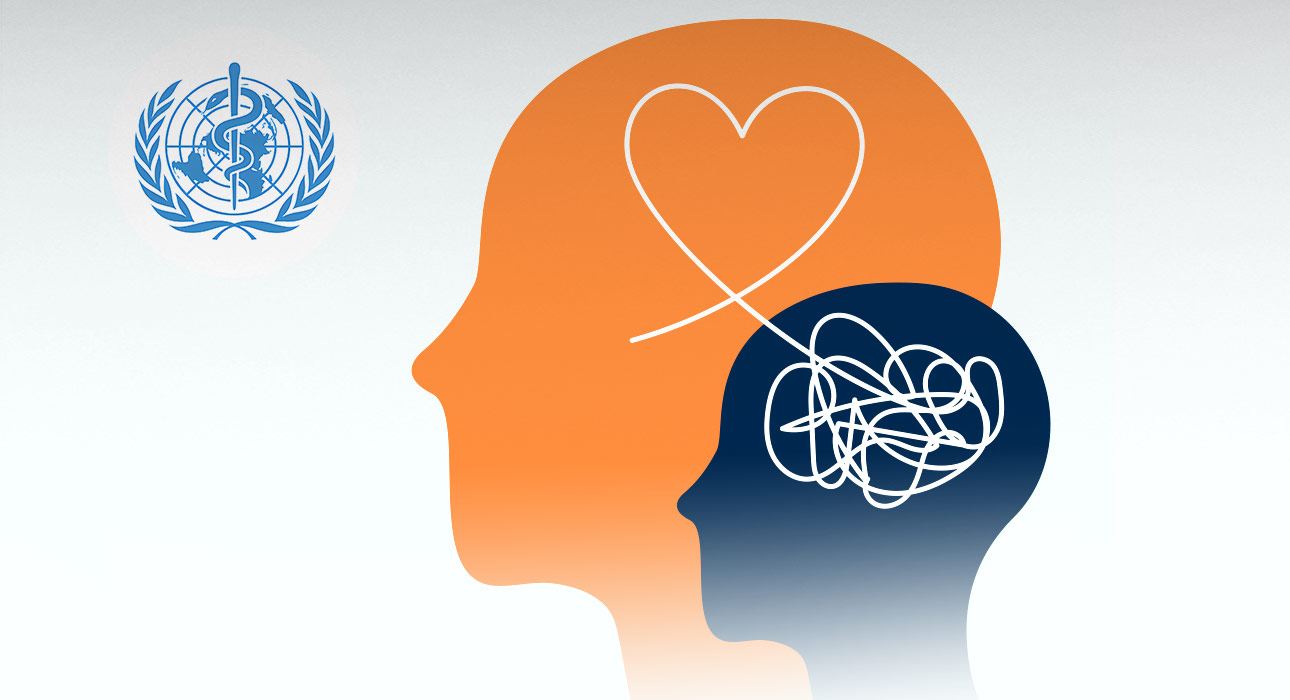
The World Health Organisation (WHO) has unveiled an implementation guide that is intended to assist countries, organisations, and mental health professionals in increasing the uptake of psychological self-help interventions. This guide, which was published on June 1, 2026, is meant to increase access to evidence-based mental health care, especially in areas where there is no availability of professional mental health services (World Health Organisation [WHO], 2026).
Psychological Self-Help Interventions: Delivering Self-Help for Individuals, Step by Step and Doing What Matters in Times of Stress is an official publication by the organisation that includes advice on how to plan, adapt, and implement self-help programs in various contexts. This publication is part of the WHO’s continuing endeavour to respond to the global rise in mental disorders through affordable solutions.
Addressing a Global Mental Health Crisis
Despite being experienced by over one billion people all around the world, mental disorders pose a substantial challenge to public health today. Despite their high incidence, access to proper care and treatment for such mental problems as anxiety and depression is still far from sufficient due to workforce, economic constraints, and the scarcity of available services.
The newly published guide focuses on psychological self-help techniques as an efficient remedy for addressing the identified problem. In particular, the application of psychological self-help techniques allows people to practice proper mental health care without much assistance from a professional. In turn, psychological self-help interventions can be offered to patients either in community settings or via the use of printed material or online content.
Read More: What Science Says About Self-Help And Why It’s Not Enough
Evidence Supports the Effectiveness of Self-Help Approaches
According to the WHO, research studies have consistently proved the efficacy of psychological self-help, especially regarding the treatment of depression and anxiety. Such interventions may be administered remotely and involve fewer resources compared to other approaches. Therefore, they may present an ideal way of providing services to underserved populations and those who suffer from crises.
The guide draws heavily from initiatives developed at WHO, including Step-by-Step and Doing What Matters in Times of Stress interventions, which have been piloted and replicated across many nations. These interventions target emotional resilience, stress management, and mental health (WHO, 2026).
Practical Guidance for Countries and Organisations
The manual is meant for use by the following groups: program managers, supervisors, helpers, humanitarian aid workers, and mental health practitioners in the community. This manual outlines steps and exercises for implementing self-help interventions that could either be guided or non-guided.
It involves provision of help by a helper, whereas a non-guided self-help intervention involves working individually with the resources available (WHO, 2026). Moreover, instructions on how to tailor interventions for effective implementation, supervision, and quality control are given in this manual.
Expanding Reach Through Scalable Solutions
The greatest advantage of psychological self-help interventions lies in their scalability. Traditional therapeutic approaches rely excessively on the availability of specialists, but self-help solutions allow for reaching out to large numbers of people at relatively low costs. That is why such initiatives are highly appreciated in poor communities and areas affected by an emergency, migration, or war.
In today’s world, mental health professionals recognise the significance of scalable solutions more than ever before because the need for psychological services increases steadily. Through providing organisations with guidelines for the effective use of intervention techniques, the new WHO guide will help improve mental health care systems and provide assistance to people lacking it.
Looking Ahead
This guide is a milestone on the road towards making mental health care more available and more sustainable. In light of ongoing problems related to mental health around the world, promoting self-help strategies based on scientific research might contribute to closing any existing gaps in terms of mental health service provision (WHO, 2026).
References +
- World Health Organisation. (2026, June 1). WHO launches new guide to help scale psychological self-help. World Health Organisation. https://www.who.int/news/item/01- 06-2026-who-launches-new-guide-to-help-scale-psychological-self-help
- World Health Organisation. (2026). Psychological self-help interventions. World Health Organisation. https://www.who.int/teams/mental-health-and-substance use/treatment-care/Psychological-interventions/psychological-self-help-interventions
- World Health Organisation. (2026). Mental health. World Health Organisation. https://www.who.int/health-topics/mental-health