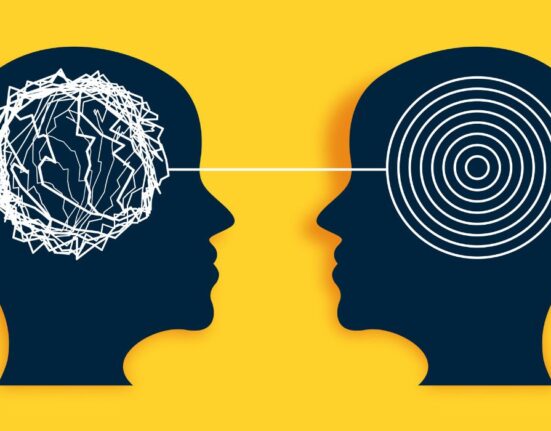
Have you ever seen an elderly individual in your area solving puzzles, playing Sudoku, or remembering every birthdate? Whereas some just struggle to even remember minor details or have gradually started forgetting things they used to remember. Although ageing affects everyone, the impact on memory and cognitive functioning does not appear to be the same for all individuals.
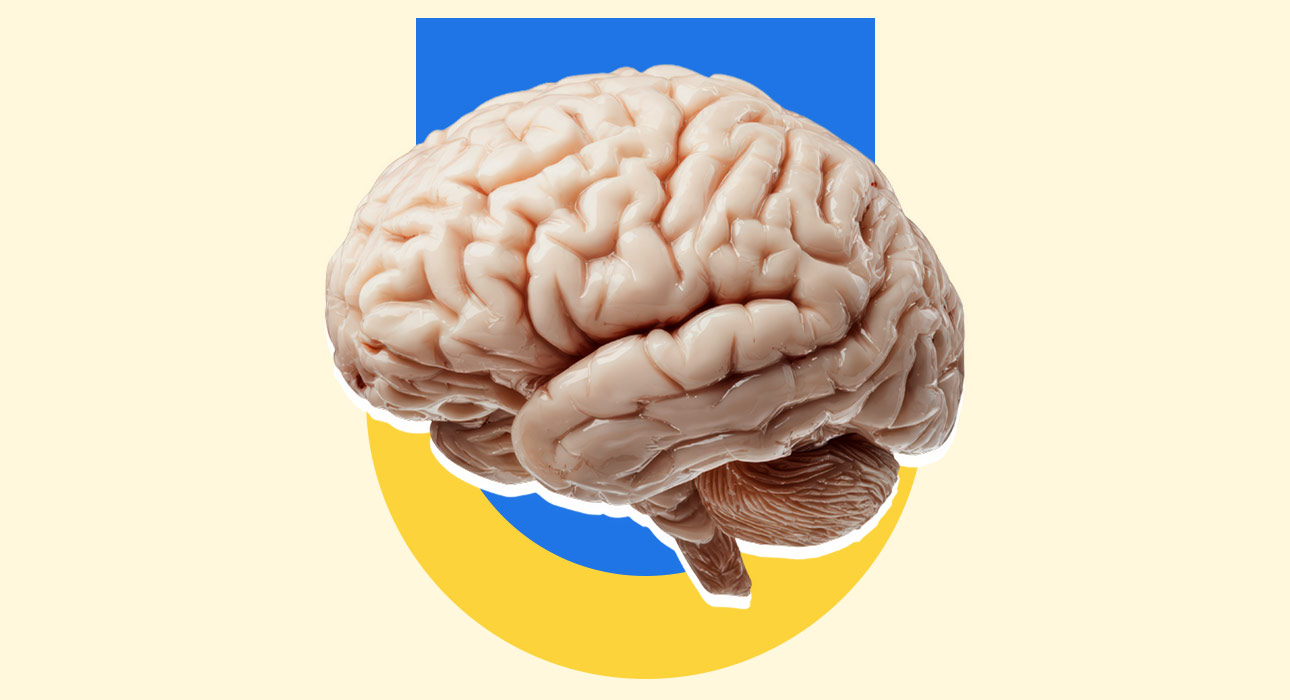
For years, dementia was considered to be an unavoidable consequence of ageing and genetics. However, modern psychological and neuroscientific research suggests otherwise. Scientists now believe that the brain possesses a protective mechanism known as Cognitive Reserve, the mind’s ability to adapt, compensate, and continue functioning despite age-related or neurological damage (Stern,2002).
What Exactly Is Cognitive Reserve?
It refers to the brain’s ability to remain functionally efficient despite physical signs of ageing or neurological damage. Researchers believe that people who engage in mentally stimulating activities develop stronger and more flexible neural networks. It is said that the brain compensates when certain areas begin declining with age. This concept explains why two individuals with similar brain scans may display different levels of brain functioning. One person may face difficulties in memory while another continues in their life with minimal symptoms. According to researchers, lifelong mental engagement helps the brain create alternative pathways that support memory, reasoning, and problem-solving abilities ( Stern,2012).
Cognitive reserve functions like a mental savings account. The more you invest in mentally stimulating and healthy psychological habits, the greater the brain’s resilience will become in later years.
The Brain Thrives on Lifelong Learning
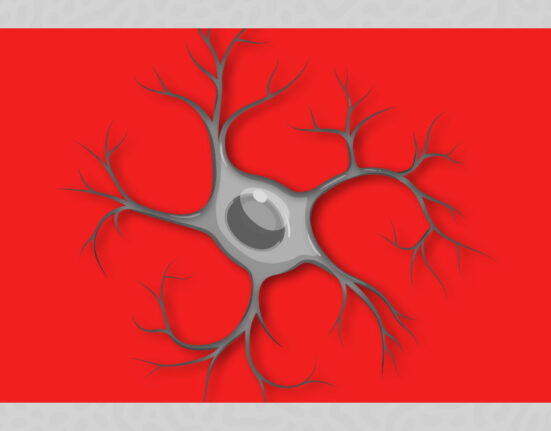
One of the most important contributors to cognitive reserve is constant learning. Activities such as reading books, solving puzzles, learning a new language, playing musical instruments or acquiring new skills activate the brain and strengthen the neural connection. These tasks activate the brain’s neuroplasticity, meaning the brain’s ability to reorganise and form new neural pathways throughout life. Research suggests that people who are mentally active in their adulthood often show cognitively slower decline in old age (Whalley et al, 2004; Song etal, 2022). Repeating the same thing every day may not provide the same level of stimulation as learning something unusual will.
For example, an older adult learning modern technology to video call their grandchildren or learning a new hobby may unknowingly strengthen their cognitive reserve. Such activities allow the brain to adapt, process new information and remain mentally flexible ( Stern;2002, Stern 2013).
Read More: The Dementia Shield: Lifestyle Strategies for Cognitive Health Across the Lifespan
Why Social Connection Protects Memory
As it has put out through Aristotle that, ‘Human beings are social animals’; therefore, meaningful relationships play an important role with respect to brain health. Conversations require language, memory, active listening, and emotional processing, making social interaction a meaningful form of stimulation.
Studies have shown that loneliness and isolation are associated with a greater risk of cognitive decline and dementia ( Livingston et al,2020). Individuals who maintain strong social connections often experience lower levels of stress and better emotional well-being, which supports healthy cognitive functioning. Whether through spending time with family, maintaining a friend circle, participating in community activities, or being an active member of a support group, these all social interactions keep the brain actively engaged. Emotional connection also provides a sense of belongingness and psychological security, which keeps one’s overall mental health good.
Stress, Anxiety, and the Ageing Brain
Chronic stress is not only good for emotional well-being, but it also affects memory and brain functioning. Long-term stress increases the level of cortisol, a hormone that, when constantly elevated, may affect the hippocampus, an area in the brain think of as a memory card where all the information related to memory is stored ( Lupien et al; 2009, McEwen, 2007 ). Individuals experiencing prolonged anxiety, stress or emotional exhaustion have reported difficulty in concentration, remembering or having mental clarity. Over time, unmanaged stress will lead to cognitive decline. For this reason, emotional regulation becomes an essential part of brain health. Practices such as meditation, mindfulness, journaling, therapy, and emotional expression will help you regulate your emotions, reduce stress and improve cognitive functioning. An emotionally overwhelmed brain utilises all its energy to cope with the stress rather than maintaining long-term memory efficiency.
Read More: Mindfulness Meditation has a Positive Effect on Mental Health
Movement is Medicine for the Mind
Physical activity is closely connected to mental health. Exercise helps in good blood circulation to the brain, supplies oxygen and releases chemicals that support neural growth and communication( Ratey & Loehr, 2011; Erickson et al, 2011). Activities like yoga, cycling, walking, running or simply light stretching of the body help in mood, memory and attention. Dance is especially considered beneficial as it contains combined movements of rhythm and coordination of movement simultaneously. Research suggests that physically active individuals show less cognitive decline than people who have a sedentary lifestyle(Sofi et al. 2011; Erickson et al. 2011). This demonstrates that not only do you have to be mentally active, but physically too, as the body and mind work closely.
Read More: Dance as Medicine: How Dance Movement Therapy Helps Reduce Stress Naturally
Curiosity and Purpose: The Hidden Cognitive Shield
Curiosity serves as a powerful protective factor of the brain. Individuals who are interested in learning and teaching often end up in continuous mental engagement around the world ( Kashdan et al, 2020). Having a sense of purpose in life has also been associated with healthier ageing ( Boyle et al, 2010). Retirement or ageing doesn’t necessarily damage cognitive functioning; a complete withdrawal from mentally stimulating and meaningful activities may increase vulnerability to decline. However, modern science has proved that genes alone don’t decide your future. Lifestyle and psychological habits significantly shape how the brain ages over time.
This idea is often summarised through the phrase: ‘ Genetics loads the gun, but lifestyle pulls the trigger’. While certain individuals may inherit vulnerability, daily habits such as learning, social connections, and emotional regulation may help in reducing the impact of cognitive decline.
Conclusion
Cognitive reserve highlights an important reality: the brain is far more adaptable than previously believed. Although ageing is inevitable, severe cognitive decline may not be completely unavoidable. Everyday habits such as staying curious, maintaining social connections, and up -skilling can gradually strengthen the brain’s resilience. Protecting the brain doesn’t require extraordinary measures. Often, it is built through small but consistent actions repeated across a lifetime. Healthy ageing is not only shaped by genetics but also by the healthy lifestyle choices individuals make every day.
References +
- Livingston, G., Huntley, J., Sommerlad, A., Ames, D., Ballard, C., Banerjee, S., Burns, A., Cohen-Mansfield, J., Cooper, C., Costafreda, S. G., Dias, A., Fox, N., Gitlin, L. N., Howard, R., Kales, H. C., Larson, E. B., Ogunniyi, A., Orgeta, V., Ritchie, K., … Mukadam, N. (2020). Dementia prevention, intervention, and care: 2020 report of the Lancet Commission. The Lancet, 396(10248), 413–446. https://doi.org/10.1016/S0140-6736(20)30367-6
- Stern, Y. (2002). What is cognitive reserve? Theory and research application of the reserve concept. Journal of the International Neuropsychological Society, 8(3), 448–460. https://doi.org/10.1017/S1355617702813248
- Stern, Y. (2012). Cognitive reserve in ageing and Alzheimer’s disease. The Lancet Neurology, 11(11), 1006–1012. https://doi.org/10.1016/S1474-4422(12)70191-6
- Bialystok, E., Craik, F. I. M., & Luk, G. (2012). Bilingualism: Consequences for mind and brain. Trends in Cognitive Sciences, 16(4), 240–250. https://doi.org/10.1016/j.tics.2012.03.001
- Erickson, K. I., Hillman, C., & Kramer, A. F. (2015). Physical activity, brain, and cognition. Current Opinion in Behavioural Sciences, 4, 27–32. https://doi.org/10.1016/j.cobeha.2015.01.005
- McEwen, B. S., & Morrison, J. H. (2013). The brain on stress: Vulnerability and plasticity of the prefrontal cortex over the life course. Neuron, 79(1), 16–29. https://doi.org/10.1016/j.neuron.2013.06.028