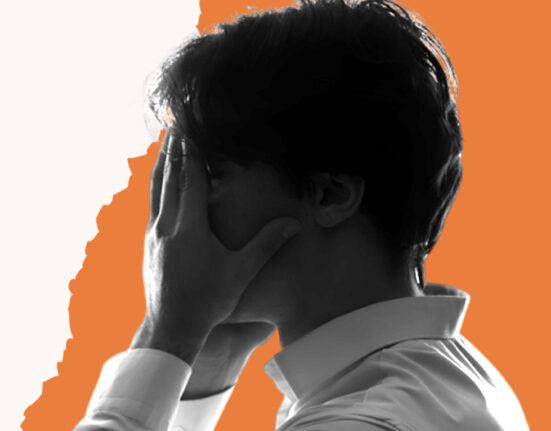
In contemporary times, stress has become a part of everyone’s life. Every individual today experiences stress in one way or another. The aspects/ experiences that tend to give stress are known as ‘Stressors’. It is also essential to consider that today individuals have become a lot more steady rather than being active. Children in schools cannot participate much in sports because of academic pressure. Working individuals don’t get enough time in order to be active. Older citizens are either weak or don’t hold a keen interest in being active. Being inactive causes significant stress; with it, stress becomes potent. This Article aims to understand Stress, the importance of Dance Movement and how dance can be a medicine or vaccine to everyday stress.
Understanding Stress and levels of stress
Stress is often defined as events/ experiences that are usually more than what a normal human can tolerate. Stress is universal in nature. Everyone experiences stress in life at some point. Example: An individual aged 18 loses his parents in a car accident. It is also essential to consider that we all need a moderate amount of stress in life to function.
Hyper and Hypo levels of stress are not favourable to individuals in any aspect of their lives. A moderate amount of stress keeps us motivated and determined enough to complete a given task or assigned work. On the other hand, hyper levels of stress tend to ruin the work or task, which leads to dysfunction in an individual’s life; simultaneously, hypo levels of stress will not make an individual motivated and determined. The individual will be simply unbothered by everything in one’s life. Furthermore, it is important to consider what type of stress creates dysfunction in life.
Types of Stress
There are primarily 3 types of stress:
- Acute Stress: Acute Stress is a type of stress that is short-term. It does not last long. The name itself suggests its meaning. This type of stress does not cause dysfunction or distress in everyday functioning. Example: Getting stressed for an upcoming debate competition. This type of stress is temporary in nature.
- Episodic Acute Stress: Episodic Acute Stress tends to impact everyday functioning. This type of stress is experienced by almost all. Example: Getting stressed for upcoming meetings and upcoming project presentations.
- Chronic Stress: Chronic Stress is the opposite of acute Stress. Chronic Stress is long-term, which causes significant distress and dysfunction. Chronic stress can go on for weeks and months or sometimes years. Example: An individual’s parents are getting diagnosed with a terminal or chronic illness like cancer. (Cleveland Clinic,2024)
Read More: How Stress Affects the Brain and Behaviour?
What Causes Stress? Theories explaining the phenomenon of Stress
1. Transactional Model of Stress by (Lazarus & Folkman, 1984)
This theory proposes that stress is not only a mere response, but it is a transaction between an individual’s response and the environment. This model lays an emphasis on the environment. This model explains the two models.
- Primary Appraisal: Individuals here assess what is threatening. What part of the environment is causing stress?
- Secondary Appraisal: After understanding and evaluating the environment, the individual now focuses on their capacity to deal with the stressors.
2. General Adaptation Syndrome
General Adaptation Syndrome was proposed by Hans Selye, the father of Stress Research and Studies. GAS explains how the stress is stored in the body over time. Hans Selye has divided his explanation into 3 stages.
- Alarm Stage: This is the first stage, which prepares the individual for the danger. Individuals here understand their circumstances and prepare themselves for the Fight or Flight. Hans Selye describes that this stage emits a natural response.
- Resistance Stage: This phase is also called the Recovery Phase. After the initial shock or threat, the body starts to repair itself and begins to recover. If the stress is persistent, it becomes difficult for the body to repair, and the body remains in a state of arousal and high alert.
- Exhaustion Stage: If the individual does not recover in the resistance Stage, then he enters the exhaustion Stage, where the body collapses, and the stress becomes chronic. The ability to resist stress diminishes. Signs of depression, anxiety, and fatigue manifest. (Maharashtra State Bureau of Textbook Production and Curriculum Research, 2019)
These theories attempt to explain how stress manifests itself in the lives of individuals.
Physiological and Psychological Impact of Stress
Stress has a lot of impact on the body and overall functioning. According to the Cleveland Clinic (2024), an individual experiencing stress has a weakened immune system, is prone to cardiovascular disease, has digestive issues, has constant high levels of blood pressure, headache and uneasiness. On the other hand, stress is one of the prominent causal factors in developing psychological Disorders such as anxiety, irritability, depression and panic attacks. In gist, stress invites all other health problems and issues. Individuals with stress often indulge in negative coping mechanisms such as alcohol abuse, smoking, overeating, etc.
Medicine and Treatment
Stress, being present in life, has gained an important position in the Clinical field. There are many therapeutic and pharmacological modalities present for treating stress. Common drugs prescribed for reducing stress are Antidepressants such as SSRIs, 3 SNRI’s, etc. Benzodiazepines are prescribed for short-term relief. Pharmacological drugs have a significant amount of side effects, hence most often clinicians suggest stress relief strategies.
Dance and Movement as Miracle Medicine
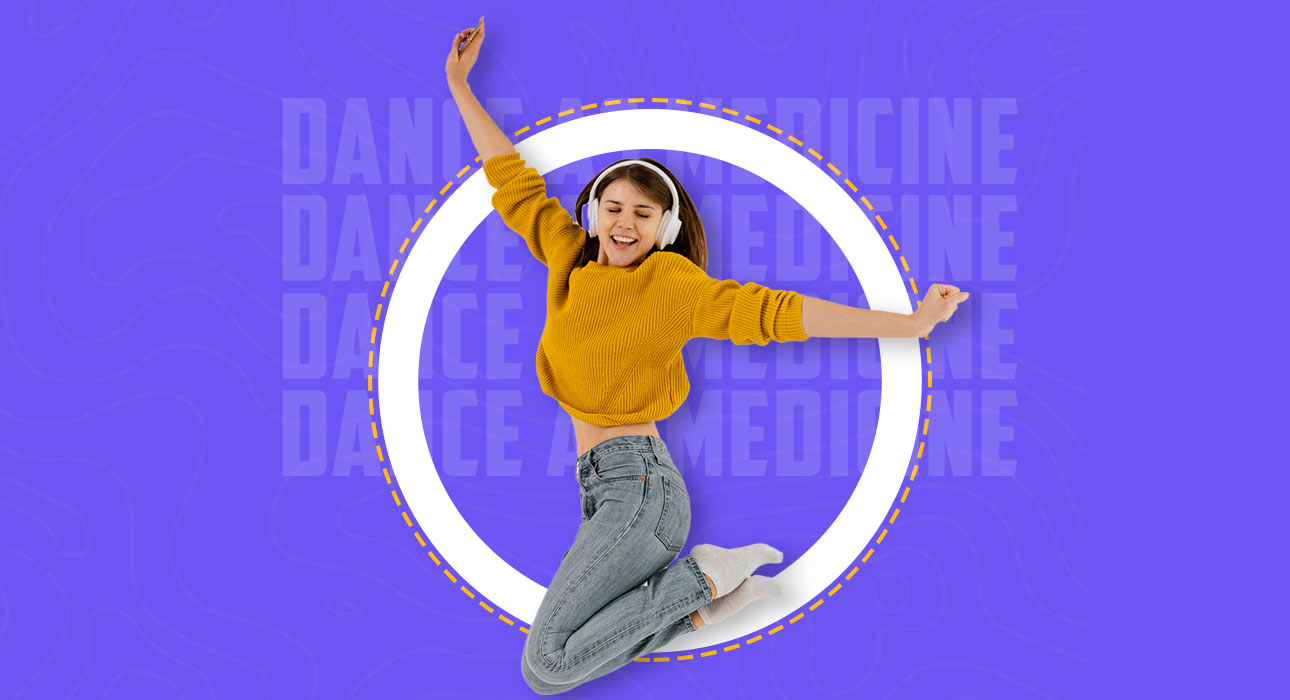
One of the most common yet miraculous stress relief strategies is Dance or Movement. Dance, be it in the form of Aerobics, Zumba, Professional, or Light Moves, has a significant impact on stress levels. Dance can act as the best medicine for stress reduction and tends to promote overall well-being. Today, a lot of Clinicians suggest/ recommend Dance Movement Therapy for managing stress and adversities that impair daily functioning.
Understanding Dance Movement Therapy and its impact on stress
The way cognitive behavioural therapy focuses on altering negative thought processes, Dance Movement Therapy ensures integration of emotional, social, physical and cognitive aspects. It plays a prominent role in reducing the symptoms of depression, anxiety, and stress. According to the Clinicians in the field, it is a creative art therapy that utilises movement. According to Sara (2026), dance Movement Therapy helps with arthritis, chronic pain, communication difficulties, dementia, and low self-esteem, etc. DMT provides a lot of benefits to individuals:
- It provides calmness by downregulating the system. This means the body is in an arousal and high alert state during stress. DMT provides a state of calmness that eases stress.
- DMT inculcates a sense of self-awareness, which helps individuals to understand their potential and capacity to deal with stress. It also gives a sense of assurance that an individual can seek help from someone else. This connects with the theory of Stress Transaction, helping individuals cultivate secondary Appraisal.
- Dance is the best coping mechanism and skill. It does not create any kind of dependence, addiction, or side effects. It is one of the most positive coping mechanisms that an individual can indulge in (Bohn, 2021).
- Dance replaces stress hormones, such as cortisol and adrenaline, with pleasure hormones such as dopamine, serotonin, oxytocin, etc.
According to Charayana (2019), “dance is a form of meditation” Dance allows individuals to coordinate between body and brain, movement and music. According to (Xiang et al., 2025), dance Movement therapy reduced the amount of stress levels among the mothers of children with autism spectrum disorder.
Simple Stress Relief Strategies
If it is acute stress, make sure not to sit and overthink about it excessively. At least go for a walk for 20 minutes. This helps to divert attention and clear negative thoughts. Put on your favourite music and watch any YouTube Dance Tutorial on the same and try to imitate it. Putting on your favourite music and dancing to it will help you to downregulate the aroused system. Dancing to rock or Pop Music helps elevate energy, mood, and happiness, which acts as an instant medicine for stress and stressors.
Research so far has proved that dance is one of the best medicines to reduce stress, but it is important to consider that dance can only help in reducing acute and episodic stress. Chronic Stress can also be treated, but with the integration of Therapy and Medicine together.
Read More: Breathing Techniques for Stress Relief and Emotional Balance
References +
Schneiderman, N., Ironson, G., & Siegel, S. D. (2005). Stress and health: Psychological, behavioural, and biological determinants. Annual Review of Clinical Psychology, 1, 607–628. https://doi.org/10.1146/annurev.clinpsy.1.102803.144141
Cleveland Clinic. (2024, May 15). Stress: What it is, symptoms, management & prevention. https://my.clevelandclinic.org/health/diseases/11874-stress
Bohn, K. (2021, January 19). What is dance therapy? Verywell Mind. https://www.verywellmind.com/dance-therapy-and-eating-disorder-treatment-5094952
Christopher, N., Dumaresq, E., & Tamplin, J. (2025). Dance therapy as an intervention for stress and depression: A systematic review and meta-analysis. Body, Movement and Dance in Psychotherapy, 20(1), 22–39. https://doi.org/10.1080/17432979.2024.2377389
Yang, X., Zhan, X., Li, X., Wang, Y., & Kuang, Z. (2025). A study of the effects of dance/movement therapy on parenting stress and emotions in mothers of children with autism spectrum disorder. Frontiers in psychiatry, 16, 1465677. https://doi.org/10.3389/fpsyt.2025.1465677
Gurusathya, C. (2019). Dance as a catalyst for stress-busting. Central European Journal of Sport Sciences and Medicine, 26(2), 15–29. https://doi.org/10.18276/cej.2019.2-02
Maharashtra State Bureau of Textbook Production and Curriculum Research. (2019). Psychology (Standard XI). Balbharati. https://cdn1.byjus.com/wp-content/uploads/2022/07/MSBSHSE-Class-11-Psychology-Te xtbook.pdf