






Description
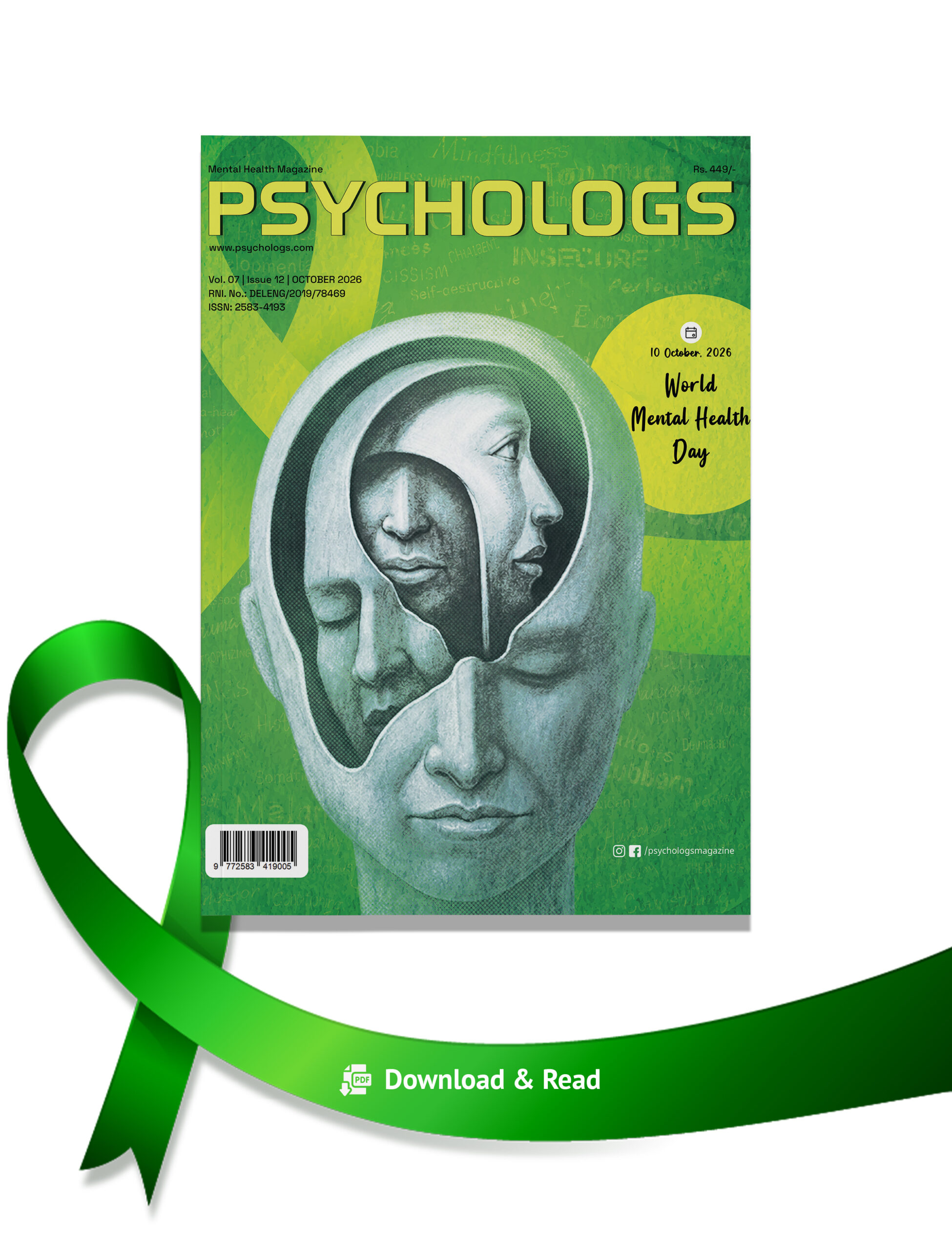
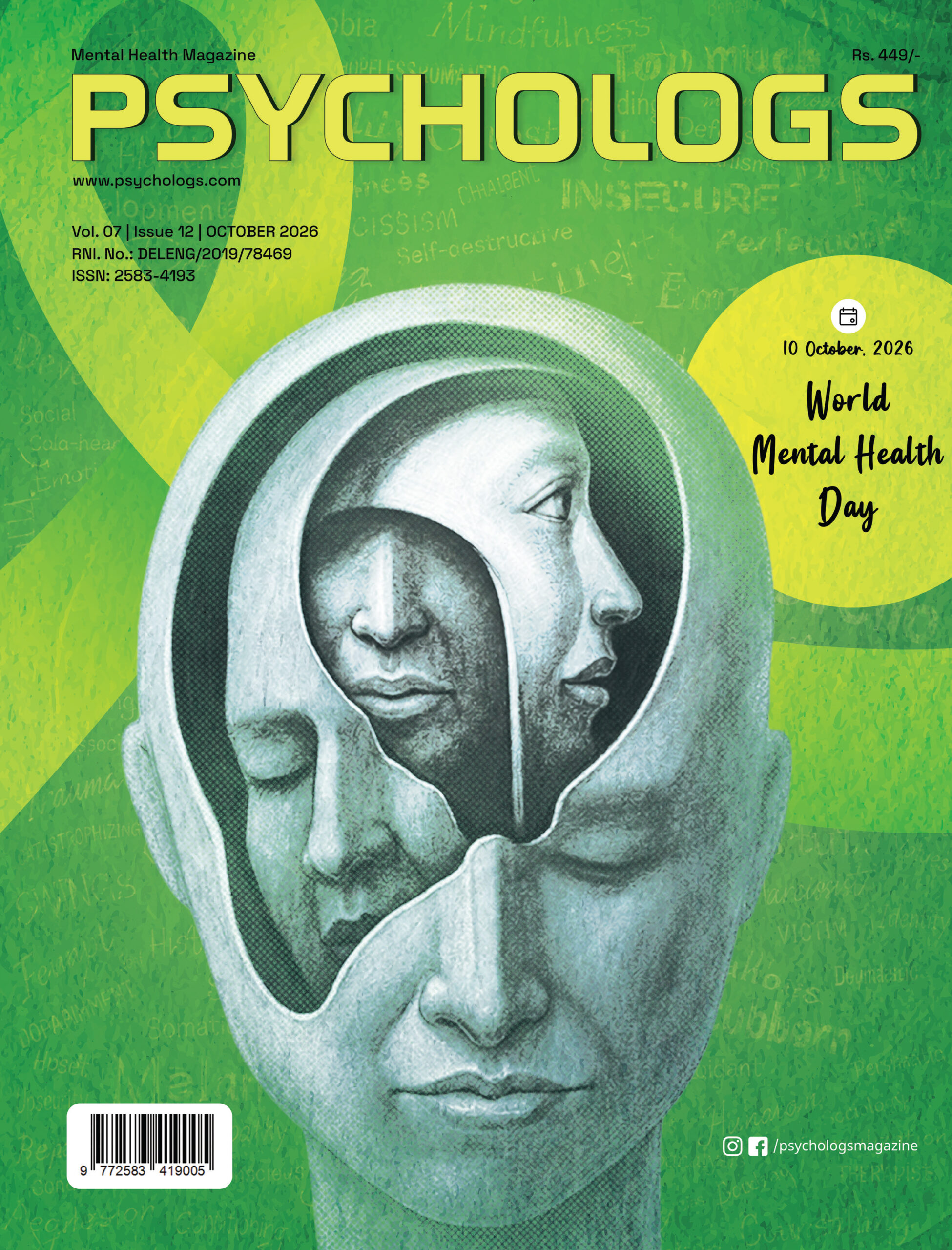
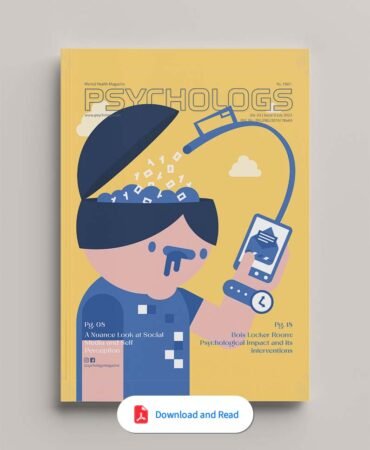
Psychologs Magazine – Vol. 07 | Issue 12 | OCTOBER 2026
The October 2026 issue of Psychologs Magazine explores the psychology behind the experiences, relationships, choices, and challenges that shape everyday life. It looks at digital memories, loneliness, grief, dark humour, childhood behaviour, career dissatisfaction, rejection, obsession, and the search for a happier life.
In a rapidly changing world, the way we remember, connect, work, parent, grieve, and understand ourselves continues to evolve. This issue brings psychology closer to these everyday experiences. It examines how technology, relationships, careers, childhood, and social expectations influence our mental and emotional well-being.
Digital Memories, Identity, and Human Connection
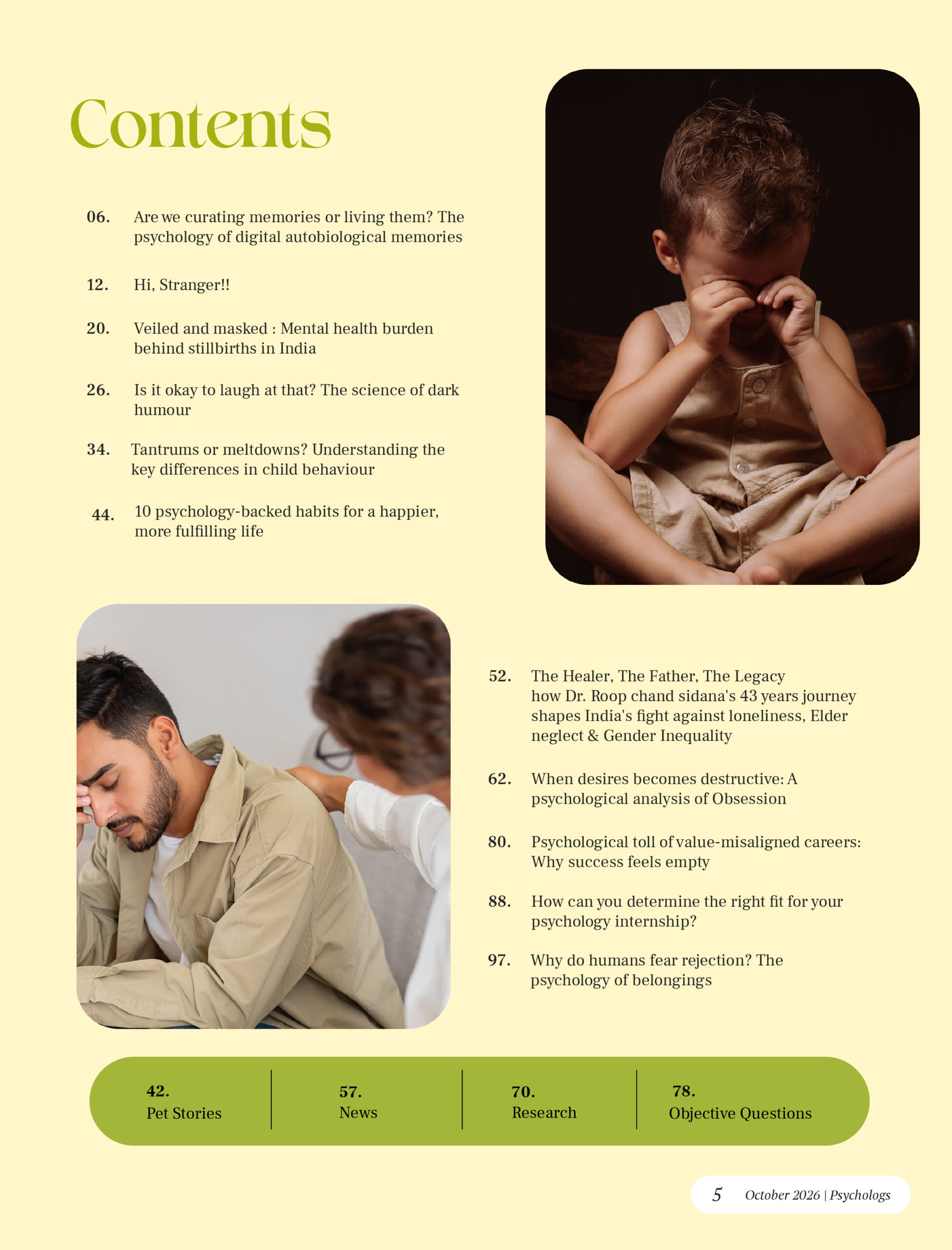
Technology has changed how we communicate and remember our lives. “Are We Curating Memories or Living Them? The Psychology of Digital Autobiographical Memories” explores how photographs, social media posts, and digital archives shape our memories. It also examines how documenting our lives can influence personal identity.
At the same time, “Hi, Stranger!!” looks at the psychology of unfamiliar connections. Unexpected encounters can influence our emotions, perceptions, and sense of belonging. Even brief interactions with strangers can sometimes leave meaningful impressions.
Grief, Mental Health, and Invisible Emotional Burdens
Some psychological experiences remain deeply personal and difficult to discuss. “Veiled and Masked: Mental Health Burden Behind Stillbirths in India” brings attention to the emotional impact of stillbirth. It explores the hidden grief experienced by parents and families.
The article also highlights the importance of recognising emotional suffering. Social expectations and silence can make grief even harder to express. Compassionate psychological support can play an important role during such difficult experiences.
Understanding Humour, Emotions, and Human Behaviour
Humour can bring people together and help them cope with difficult experiences. However, not every form of humour affects people in the same way.
“Is It Okay to Laugh at That? The Science of Dark Humour” explores the psychology behind dark humour. It examines why people may find humour in uncomfortable, frightening, or sensitive subjects. The article also looks at the relationship between humour, coping, emotions, personality, and social context.
Understanding children’s behaviour also requires looking beyond simple labels. “Tantrums or Meltdowns? Understanding the Key Differences in Child Behaviour” explores how tantrums and meltdowns can differ. It looks at their possible causes, characteristics, and emotional processes. This understanding can help parents, caregivers, and educators respond with greater empathy.
Building a Happier and More Fulfilling Life
Well-being is often shaped by the small things we do every day. “10 Psychology-Backed Habits for a Happier, More Fulfilling Life” presents practical habits based on psychological understanding. These habits can support emotional well-being, healthier routines, meaningful relationships, and self-awareness.
The goal is not to achieve constant happiness. Instead, the article focuses on sustainable habits. These habits can help people build a more balanced and fulfilling life.
A Life Dedicated to Healing and Social Well-Being
The issue also presents a deeply human story through “The Healer, The Father, The Legacy: How Dr. Roop Chand Sidana’s 43-Year Journey Shapes India’s Fight Against Loneliness, Elder Neglect & Gender Inequality.”
The article reflects on a 43-year journey of service. It also explores wider social and psychological challenges. These include loneliness, ageing, elder neglect, and gender inequality.
The story shows how compassion, commitment, and social responsibility can contribute to meaningful change. It also highlights the human side of long-term service and healing.
Obsession, Desire, and Destructive Patterns
Desire is a natural part of human psychology. However, excessive desire can affect relationships, decisions, and well-being.
“When Desires Become Destructive: A Psychological Analysis of Obsession” explores how intense preoccupation can develop into unhealthy patterns. It examines the psychological processes behind obsession. The article also looks at how persistent thoughts and desires can influence behaviour and emotional well-being.
When Career Success Does Not Feel Meaningful
Professional success is often linked with achievement, recognition, financial security, and social status. Yet these things do not always create a sense of fulfilment.
“Psychological Toll of Value-Misaligned Careers: Why Success Feels Empty” explores what happens when a career conflicts with personal values, interests, identity, or purpose. The article examines why someone may appear successful while feeling dissatisfied inside.
For students and aspiring psychologists, choosing the right professional experience is also important. “How Can You Determine the Right Fit for Your Psychology Internship?” offers useful perspectives on evaluating internship opportunities. It also helps readers consider their learning goals and professional interests.
Rejection, Belonging, and the Need for Connection
Humans have a strong need to feel accepted and connected. “Why Do Humans Fear Rejection? The Psychology of Belonging” explores why rejection can feel so powerful.
The article examines how the need for belonging influences behaviour, relationships, self-esteem, and decision-making. It also highlights the important role that social connection plays in psychological well-being.
Stories, Research, News, and Psychology in Everyday Life
The issue continues to connect psychology with real-world experiences through Pet Stories. These stories explore the emotional connections between people and their pets.
Alongside these stories, News, Research, and Objective Questions keep readers connected with current developments and psychological knowledge. These sections are useful for students, professionals, and psychology enthusiasts.
Together, they create a space where psychology can be explored through stories, research, current developments, and practical knowledge.
Psychology That Connects With Real Life
Taken together, the October 2026 issue explores an important question: How does psychology shape the way we remember, connect, grieve, behave, work, and find meaning?
From the memories we preserve online to the relationships we build with strangers, psychology is present in everyday experiences. It can also help us understand childhood behaviour, hidden grief, career dissatisfaction, and the fear of rejection.
This October, Psychologs invites readers to reflect on some important questions:
Are we preserving memories, or are we experiencing life through documentation?
How can we recognise emotional pain that remains hidden?
Why do some forms of humour help us cope while others may hurt?
Do we understand what children are communicating through their behaviour?
What happens when professional success does not align with our personal values?
Why does rejection affect us so deeply?
What does a truly fulfilling life mean to each of us?
Understanding psychology begins with paying attention to the experiences we often take for granted.
🧠✨ This October, explore the psychology of digital memories, grief, dark humour, childhood behaviour, happiness, loneliness, obsession, career fulfilment, rejection, belonging, and everyday human experiences. Discover perspectives that encourage deeper self-awareness, meaningful connections, and a better understanding of the mind.

Leave feedback about this