Consider a clinical environment in which the quality of care in treating depression has been stagnant at almost 40 cents. The trial-and-error clinical experience of antidepressants, be it selective serotonin reuptake (SSRI) or serotonin-norepinephrine reuptake inhibitors (SNRIs), offers little more than a list of side effects and a continued feeling of hopelessness to millions of people.
About a third of patients suffering from major depressive disorder do not respond well to conventional treatments in the United States alone, and the situation is termed treatment-resistant depression (TRD). Ketamine has been added to this therapeutic emptiness not only as a drug of last resort, but as a paradigm change in the medical profession regarding the biology of mental suffering.
After being pushed to the operating room as an anaesthetic or the underground as a recreational dissociative, ketamine now takes centre stage in a psychiatric revolution; it has provided quick reprieve to those who have been left out of the time race due to no longer being able to find time as a luxury.
Historical Evolution and Clinical Emergence
The journey of ketamine from a synthetic derivative of phencyclidine (PCP) in 1962 to a breakthrough psychiatric intervention is one of the most remarkable pivots in medical history. FDA approved in 1970 as a human anaesthetic, its safety profile caused it to be a staple in battlefield medicine and children’s surgery because it was the only agent with the capacity to preserve respiratory function, but cause a so-called dissociative state.
Nonetheless, the psychiatric potential of it was detected by the first pioneers, such as Khorramzadeh and Lofty (1973), many decades prior to its conventional mainstream introduction. In their work with psychiatric inpatients in the 1970s, they established that low-dose ketamine enabled so-called abreactive responses, or emotional discharge and verbalisation of inner conflict, which led to very favourable outcomes in the psychotherapeutic process.
Nevertheless, these early signs were not confirmed until the late 1990s and the early 2000s when rigorous clinical trials were structured to confirm these findings. The most important event was the approval (in 2019) of esketamine (Spravato™), the S-enantiomer of the ketamine molecule, as an intranasal form of treatment of TRD. As the Cleveland Clinic (2026) states, this consent made ketamine a formal part of modern medicine. A wide-ranging systematic search by Walsh et al. (2022) reported a giant increase in the literature and 83 high-quality reports providing an evidence base to ketamine effectiveness in depression, anxiety, and substance use disorder.
Biological Mechanisms: Beyond the Monoamine Hypothesis
Due to the lack of a clear perception of why ketamine is used when all other medications are ineffective, it is essential to consider its unique biological mechanism. Conventional antidepressants include the primary effects of monoamines, such as serotonin, norepinephrine and dopamine, that require weeks or months to change neural impulses. Ketamine, on the other hand, affects the glutamatergic system, which is the main excitatory system in the brain.
Ketamine is an N-methyl-D-aspartate (NMDA) receptor antagonist at the molecular level. When glutamate is too active in the state of chronic stress and depression, excessive activity of glutamate may result in the so-called excitotoxicity, which is basically the erosion of the connections (synapses) between neurons in the prefrontal cortex and the hippocampus, which are critical in mood regulation and executive functions.
Ketamine is a blocker of NMDA receptors and results in a complicated downstream signalling cascade. This is what causes the release of the Brain-Derived Neurotrophic Factor (BDNF) protein, which is the so-called brain fertiliser that triggers the process of synaptogenesis, which is the formation of new healthy neural links (Cleveland Clinic, 2026). This quick structural healing is why patients frequently have reported a lifting of the fog within hours of one dose, which Walsh et al. (2022) described as the most clinically crucial characteristic of the drug.
Clinical Applications and Suicidality
Ketamine therapy has the best supporting evidence in its effect on treatment-resistant depression and acute suicidality. Compared to traditional medications that can take one month to lower suicidal ideation, ketamine has been shown to lower suicidal ideation in a matter of four hours after administration. Meta-analyses have reported a moderate to large effect size (Cohen d = 0.51 -0.85) in ideation reduction, which is not only significant but also significant when overall depressive symptoms have been controlled (Walsh et al., 2022).
In addition to depression, the therapy is also promising in Post-Traumatic Stress Disorder (PTSD) and Substance Use Disorders (SUD). In the case of PTSD, ketamine seems to promote the process of learning extinction, where patients are able to link the traumatic memories with the physical fear reaction of extreme intensity. Ketamine-assisted psychotherapy (KAP) has demonstrated a much better abstinence rate than placebo in the context of substance abuse, especially cocaine and alcohol dependence, presumably by interfering with the neural pathways that trigger cravings and addiction (Walsh et al., 2022).
Ketamine and the Neurodivergent Population
One of the most dynamic and promising research fields is the use of ketamine treatment among neurodivergent people, especially those with Autism Spectrum Disorder (ASD). Neurodivergent people must manage a neurotypical world and possess a comorbid psychiatric condition, such as bipolar disorder and TRD (Harris et al., 2024). New clinical histories have provided a deep understanding. Harris et al. (2024) presented an example of a 29-year-old man with ASD and severe bipolar disorder.
The subject failed several pharmacological interventions, and then he received a round of IV ketamine with cognitive-behavioural coaching. The outcomes were groundbreaking: almost complete elimination of suicidal ideation following three infusions, as well as a significant decrease in the amount of daily anger outbursts every day. On the same note, an autistic adult reported by Özgen and van den Brink (2022) had a dramatic reset of mood and a decrease in cognitive rigidity after taking ketamine.
Such instances indicate that the ketamine-induced recovery of functional connectivity of the prefrontal cortex can be distinctively adapted to the glutamatergic dysregulation commonly observed in the neurobiology of autism (Harris et al., 2024). Nevertheless, since no large randomised controlled trials have been done on ASD, it is one of the areas of maximum inadequate clinical demand relative to the scientific understanding, as Özgen and van den Brink (2022) warn.
The Therapeutic Framework: KAP and Integration
Ketamine treatment is never merely a matter of the chemical; the setting in which it is administered, commonly known as set and setting, is highly important. Ketamine-Assisted Psychotherapy (KAP) is a procedure that consists of three phases:
- Preparation: To align the intentions of the patient with a safe psychological container.
- The Experience: when administering the drug, the patient can experience some dissociation, vivid imagery or ego-dissolution.
- Integration: The critical mechanism of the dissociative state of the insights into everyday life.
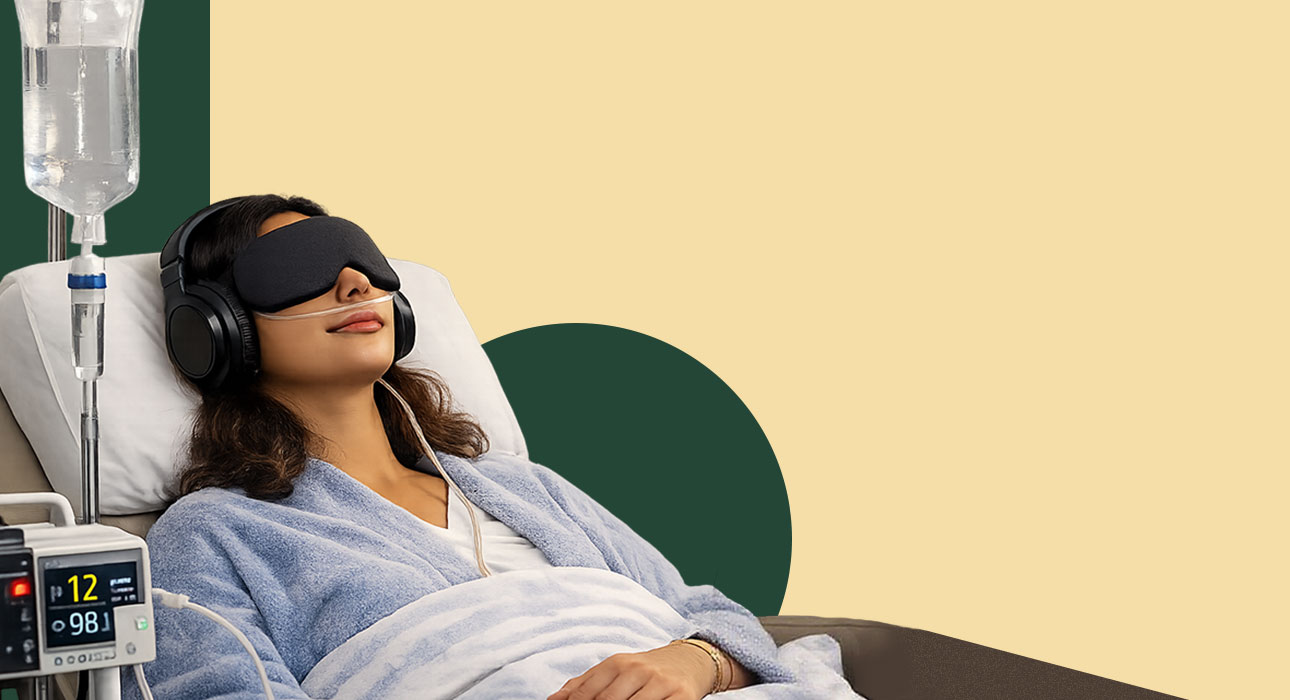
The Cleveland Clinic (2026) highlights that the atmosphere that ensures negative psychological responses are avoided involves the environment: relaxing music, an eye mask, and medical observations. Although the esketamine protocol approved by the FDA is based more on the biological administration, the KAP model states that the subjective mystical or dissociative experience is not a side effect, but a trigger to psychological flexibility necessary to heal in the long term (Walsh et al., 2022).
Safety, Ethical Considerations, and Risks
Ketamine is not a risk-free drug, but it has potential. The most frequent acute side effects are transient hypertension, tachycardia, nausea, and so-called psychotomimetic effects (hallucinations or confusion). They normally end within two hours (Walsh et al., 2022). Nonetheless, there are more significant issues related to safety in the long run and the possibility of abuse.
According to the Cleveland Clinic (2026), absolute contraindications are known as uncontrolled high blood pressure, past psychosis, or a heart attack. Moreover, there is a rising danger of so-called self-medication. With the interest of people in this area, they might turn to illicit ketamine in order to imitate the clinical outcome, which results in the risks of bladder toxicity (ulcerative cystitis) and cognitive impairment as a result of chronic and high-dose use (Ozgen and van den Brink, 2022).
Moreover, chronic consequences of continuous dosing of the medication (which is typical to prevent the occurrence of a relapse) are also a major gap in the existing literature (Walsh et al., 2022).
Conclusion
Ketamine therapy is a paradigm shift as opposed to symptom management to re-wiring the brain. It is an opportunity to save the lives of people who have been left by traditional psychiatry through targeting the glutamatergic system and developing neuroplasticity. Ketamine offers a biological opportunity, whether it is the acute crisis of suicidality, the chronic weight of the untreatable depression, or the needs of the neurodivergent population, which are complex.
This window should, however, be accompanied with strict medical attention and psychotherapeutic incorporation. As the discipline approaches 2030, the issue will be to close the divide between clinical enthusiasm and the long-term safety outcomes, so that this potent means of spiritual healing can continue to be a safe and convenient route to mental healing.
References +
Cleveland Clinic. (2026, January 16). Ketamine therapy. Cleveland Clinic Health Library. https://my.clevelandclinic.org/health/treatments/ketamine-therapy
Harris, C. P., Jones, B., Walker, K., & Berry, M. S. (2024). Case report: Adult with bipolar disorder and autism treated with ketamine assisted psychotherapy. Frontiers in Psychiatry, 15, 1322679. https://doi.org/10.3389/fpsyt.2024.1322679
Khorramzadeh, E., & Lofty, A. O. (1973). The use of ketamine in psychiatry. Psychosomatics: Journal of Consultation and Liaison Psychiatry, 14(6), 344–346. https://doi.org/10.1016/S0033-3182(73)71306-2
Özgen, M. H., & van den Brink, W. (2022). Ketamine self-medication in a patient with autism spectrum disorder and comorbid therapy-resistant depression. Psychiatry and Clinical Psychopharmacology, 32(3), 268–272. https://doi.org/10.5152/pcp.2022.22037
Walsh, Z., Mollaahmetoglu, O. M., Rootman, J., Golsof, S., Keeler, J., Marsh, B., Nutt, D. J., & Morgan, C. J. A. (2022). Ketamine for the treatment of mental health and substance use disorders: Comprehensive systematic review. BJPsych Open, 8(1), e19. https://doi.org/10.1192/bjo.2021.1061