






Description
Connecting the Dots on Mental Health
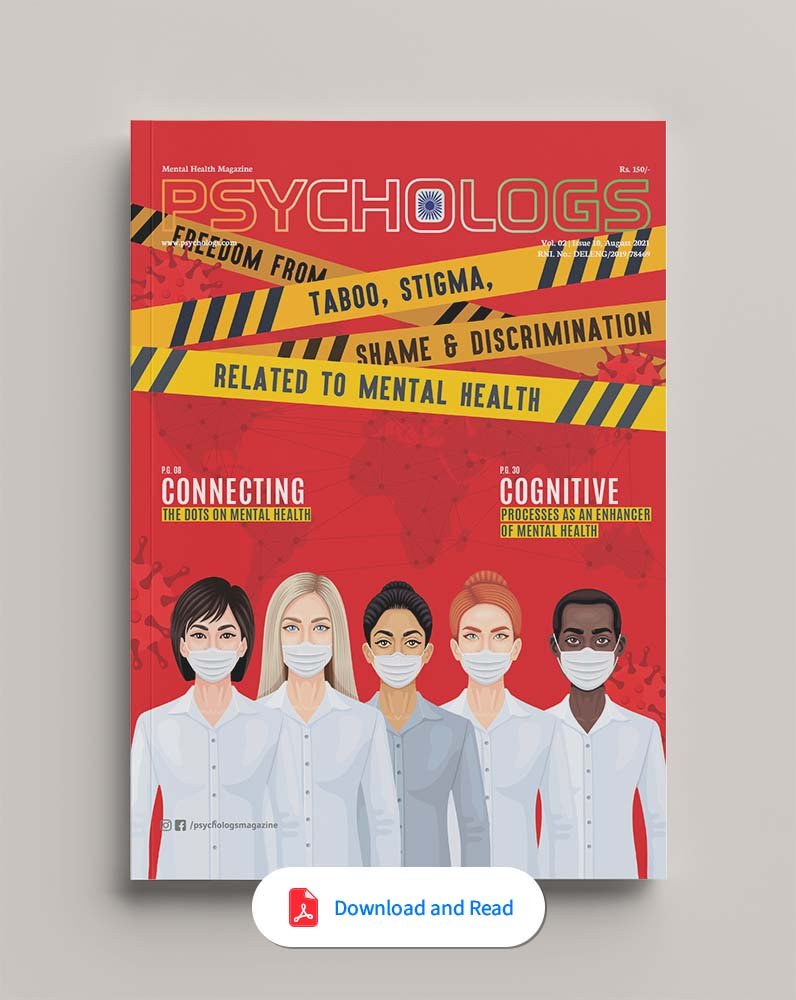
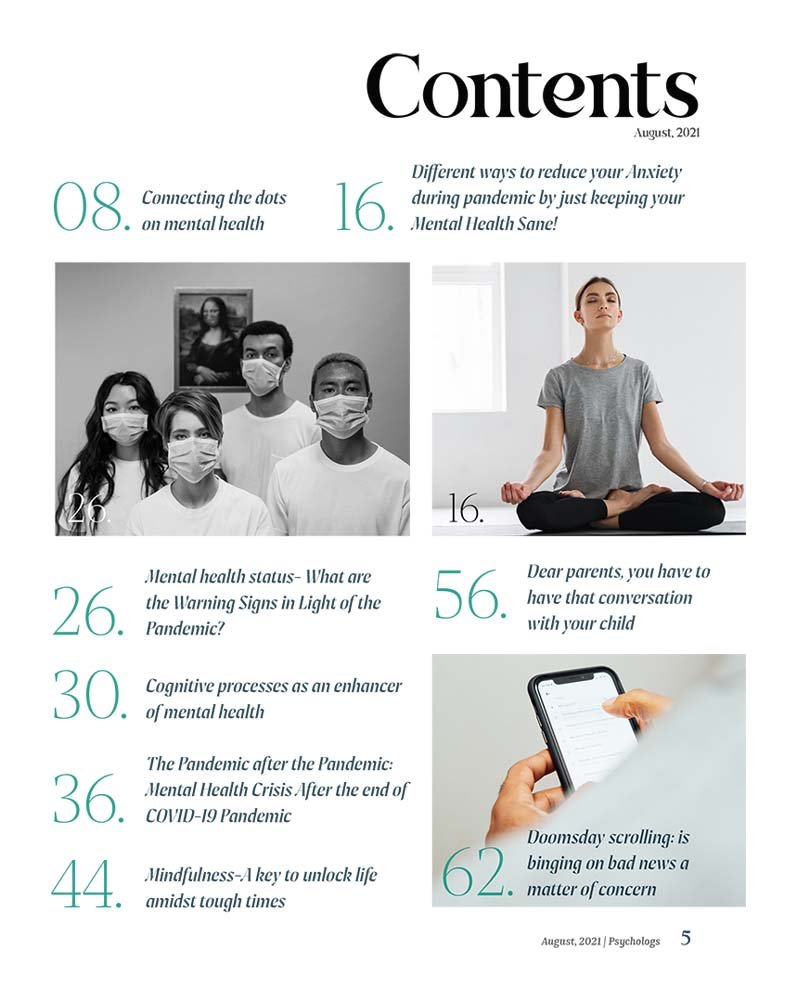
The July 2021 issue of Psychologs Magazine opens with “Connecting the Dots on Mental Health.” This article explains how emotional, social, and physical aspects of life are all linked. When one area suffers, others are affected as well. Therefore, the article encourages readers to look at mental health from a whole-person perspective and seek timely support.
Reducing Anxiety During the Pandemic
In “Different Ways to Reduce Your Anxiety During the Pandemic,” readers learn simple techniques to stay calm during uncertain times. It highlights the importance of healthy routines, supportive communication, and mindful habits. Moreover, the article stresses that even small steps—such as limiting negative news and practicing grounding exercises—can make a big difference.
Warning Signs of Mental Health Concerns
The article “Mental Health Status – What Are the Warning Signs in Light of the Pandemic?” helps readers understand emotional changes that should not be ignored. It explains that isolation, exhaustion, irritability, or withdrawal may signal deeper struggles. In addition, the article encourages early intervention to prevent worsening symptoms.
Cognitive Processes and Mental Health
In “Cognitive Processes as an Enhancer of Mental Health,” the magazine explores how thoughts influence emotions and behavior. It explains that shifting negative thinking patterns can strengthen resilience. Furthermore, the article introduces simple cognitive techniques to improve daily functioning.
The Mental Health Crisis After COVID-19
“The Pandemic After the Pandemic” discusses the emotional challenges that remain even after restrictions lift. Although societies begin to recover, many people continue to face stress, uncertainty, and loss. Therefore, the article highlights the need for long-term mental health planning and community support.
Mindfulness in Tough Times
In “Mindfulness – A Key to Unlock Life Amidst Tough Times,” readers learn how mindful awareness can reduce stress and improve clarity. The article provides easy techniques to help people stay present, calm, and emotionally balanced.
Why Parents Need to Have Difficult Conversations
“Dear Parents, You Have to Have That Conversation With Your Child” encourages open discussions about emotions, stress, and safety. It explains that children feel more secure when adults communicate honestly. Moreover, the article highlights how early conversations build trust and emotional resilience.
Doomsday Scrolling and Its Effects
The article “Doomsday Scrolling: Is Consuming Excessive Bad News a Matter of Concern?” explains how repeatedly marathoning negative news increases stress and fear. It also encourages readers to set healthy boundaries, balance information intake, and protect their emotional well-being.
Relationships and Substance Use
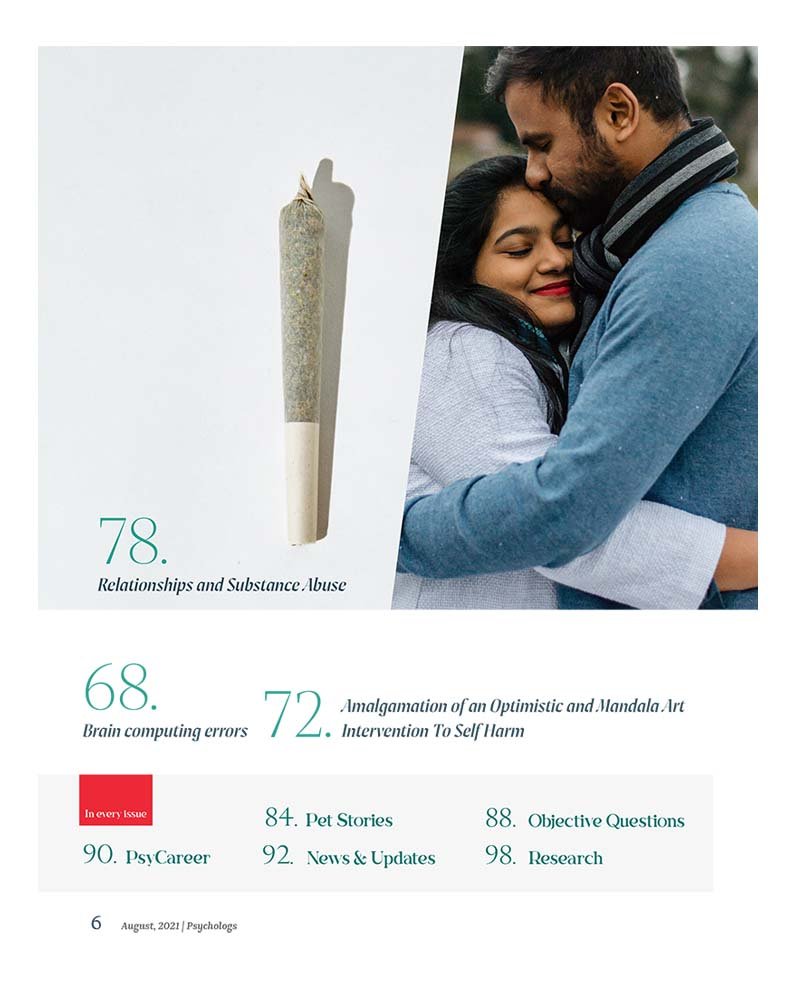
In “Relationships and Substance Abuse,” readers learn how substance misuse affects trust, communication, and emotional stability. The article further emphasizes the role of support systems and professional help in recovery.
Brain Computing Errors
“Brain Computing Errors” explores how the mind processes information and how mistakes in interpretation may affect decision-making. Additionally, the article highlights the importance of self-awareness to reduce cognitive distortions.
Art and Healing
In “Amalgamation of an Optimistic and Mandala Art Intervention to Self-Harm,” the magazine explains how creative expression can help individuals cope with emotional pain. It highlights the calming effect of mandala art and its role in promoting hope and healing.
Regular Reader Sections
This issue also includes:
• Pet Stories
• Objective Questions
• PsyCareer
• Education News & Updates
• Research
These sections offer practical guidance and keep readers informed about developments in mental health.


Leave feedback about this