Kindness is said to be an act that is an integral part of being a human, but some people view this act of generosity as having hidden motives. Evaluating such hidden motives in concern shown by others stems from deep-rooted psychological distress and trauma. There have also been studies that show higher the childhood maltreatment, the higher the perceived threat and distrust(Hepp et al.,2021).
Although kindness is frequently thought of as a natural remedy, it enters many people’s minds more quickly than they can comprehend. Warmth arouses feelings they are unable to control, such as vulnerability, remorse, desire, and inadequacy. Rather than softening, they withdraw or reframe the connection in an effort to achieve internal balance. The response is the same regardless of the particular pattern, as their system perceives the link as dangerous.
When we offer something kind and direct, the reaction can be hostility, defensiveness, withdrawal, or even revenge. Because of the dissonance rather than the real loss, it’s one of the most perplexing interpersonal circumstances. When something is given plainly, it is returned in an unclear way. Something light is perceived as hefty. Giving becomes a hardship. One such study highlighted how kindness is threatened in modern culture, particularly in light of bullying and violence.
Categories of Kindness Givers
Some of the misperceptions stem from the fact that not all “nice” individuals are born alike. The cause of someone’s goodness, be it generosity, fear, or resignation, can affect how they respond to kindness from others. They could be categorised into the following categories:
1. The real nice
Some are truly giving. They have learned to like giving, which stems from parasympathetic safety. When they contribute, assist, comfort, or uplift others, these people feel most like themselves. Their generosity is a kind of life rather than a tactic. They are protected by giving because it makes them feel anchored and expansive rather than because they anticipate a reward.
2. The pleasers
Another group appears to be similar on the outside, yet their kindness stems from a very different source. These individuals often have low self-esteem along with persistent parasympathetic immobility in their brain systems. Usually, the outcome of neglect or terrible experiences that forced their system to adapt by disappearing, therefore their “pleasing” is an act of neediness and dread rather than kindness. They are appealing targets for emotional predators since they don’t feel entitled to boundaries. They dread losing their relationship, which is why they give. Their smiles conceal submission, and as a survival strategy, they employ kindness. This was well validated by psychologist Dana Jack, who identified and called this pattern “silencing the self”(Jack&Dill,1992).
Read More: The Psychology of Kindness Fatigue in the Digital Age
3. The placaters
They are people who appear friendly but secretly feel hatred. Instead of fostering relationships, they pose as nice to protect themselves. Beneath their overinvolvement, a pleasant demeanour lurks resentment that has nowhere to go. Giving trains kids to deal with aggressive or dangerous people by avoiding conflict or punishment, not by calming or strengthening them. Their generosity is fragile, tight, and easily shattered.
Hence, all the above-mentioned groups react differently to kindness.
Why is kindness viewed as fear?
The most complex reactions, however, come from people whose biochemistry keeps them from “taking in” the positive. Regardless of whether the kindness is driven by fear, charity, or appeasement, warmth itself is the barrier that these people’s systems are unable to overcome. Some people learn to downregulate positive affect because good emotion has historically followed danger, loss, disappointment, or obligation—circumstances that taught people to avoid anything that felt warm or connected.
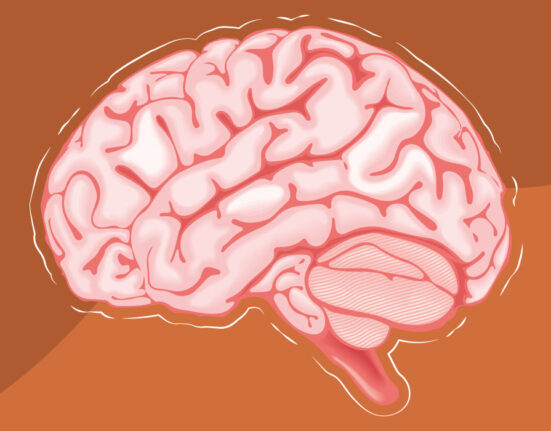
They see kindness as danger rather than security. Their brain cannot integrate the positive since doing so would require exposure, the same vulnerability that previously cost them too much. The amygdala perceives warmth as a threat even when the insula recognises it because the prefrontal cortex cannot quickly overcome the learned associations. Kindness becomes an inward battle rather than a communal experience. This rigidity was adopted long ago as a way to deal with threats and maintain authority. (Sakpal,2025).
Role of attachment styles
Few people crave connections on one hand and then become extremely panicky when someone tries to reach out. Can you relate to this feeling? Have you ever wondered why?
A part of them that is unprepared, unpracticed, or uncontrolled gets awakened by kind gestures. This may be traced back to their childhood, when it was safer to adopt an avoidant attachment style. When one tends to communicate with these individuals, they can easily be misunderstood as showing a lack of adherence; the reality is that this shows their incompatibility with being in any relationship. The only reason kindness appears out of place is that it can’t fit into a system that can’t support it. A study conducted by Izaki et al. (Izaki et al.,2022) postulates that those with a high avoidant attachment style will have negative subjective reactions to settings where they are over-included, but these reactions will not be helped much when they are ignored.
Read More: Unconscious Processes in Partner Selection: An Attachment-Based Perspective
Conclusion
People who seem to approach warmth with ease but not for connection have a distinct personality. Rather, they are drawn to compassion as something that may be utilised, ingested, or extracted. In many situations, a relationship pattern based on entitlement, exploitation, or the desire for benefit is the problem rather than a fear of intimacy.
This is the point at which discernment becomes crucial. Kindness should be directed carefully rather than being neglected. Some people thrive when they are surrounded by warmth. Some people regress. A few are open. Some defend. The difficulty lies in recognising the dissonance, understanding that their reaction is the result of an internally learned response rather than an external gesture. Hence, rejection does not diminish the value of kindness. It just reaches its maximum.
References +
Sakpal, S. S. (2025). The Erosion of Kindness: Examining the Psychological, Social, and Cultural Underpinnings. International Journal of Science and Research (IJSR), 14(1), 818–828. https://doi.org/10.21275/sr25118190554
Jack, D. C., & Dill, D. (1992). The Silencing the Self Scale: Schemas of Intimacy Associated With Depression in Women. Psychology of Women Quarterly, 16(1), 97–106. https://doi.org/10.1111/j.1471-6402.1992.tb00242.x
Hepp, J., Schmitz, S. E., Urbild, J., Zauner, K., & Niedtfeld, I. (2021). Childhood maltreatment is associated with distrust and negatively biased emotion processing. Borderline Personality Disorder and Emotion Dysregulation, 8(1), 5. https://doi.org/10.1186/s40479-020-00143-5
Izaki, T., Wang, W., & Kawamoto, T. (2022). Avoidant attachment attenuates the need-threat for social exclusion but induces the threat for over-inclusion. Frontiers in Psychology, 13, 881863. https://doi.org/10.3389/fpsyg.2022.881863