A stadium roars, thousands chant, energy builds, that sound is not real. It is constructed. Engineered in a recording studio weeks after filming wrapped. Usually, able‑bodied actors provide these ambient voices. Not this time. In Sony Pictures Animation’s 2026 movie GOAT, you hear crowd noise and feel that arena buzz. It’s awesome because almost twenty actors with disabilities created those sounds. This was the first all-disability loop group for a big studio film ever (Variety, 2026). This is not a small detail. It is a historical milestone.
What Is a Loop Group?
A loop group supplies the background audio that fills a film’s soundscape. Crowd chatter. Reaction sounds. Background noise on busy streets or in jammed arenas matters too. It makes fictional places seem real. Most folks never even notice this. Still, without loop groups, movies can feel hollow and fake (Easterseals Disability Film Challenge, 2024). Traditionally, loop work has been an invisible craft. Accessible to many. But rarely offered to actors with disabilities. GOAT changed that.
A First in Major Studio History
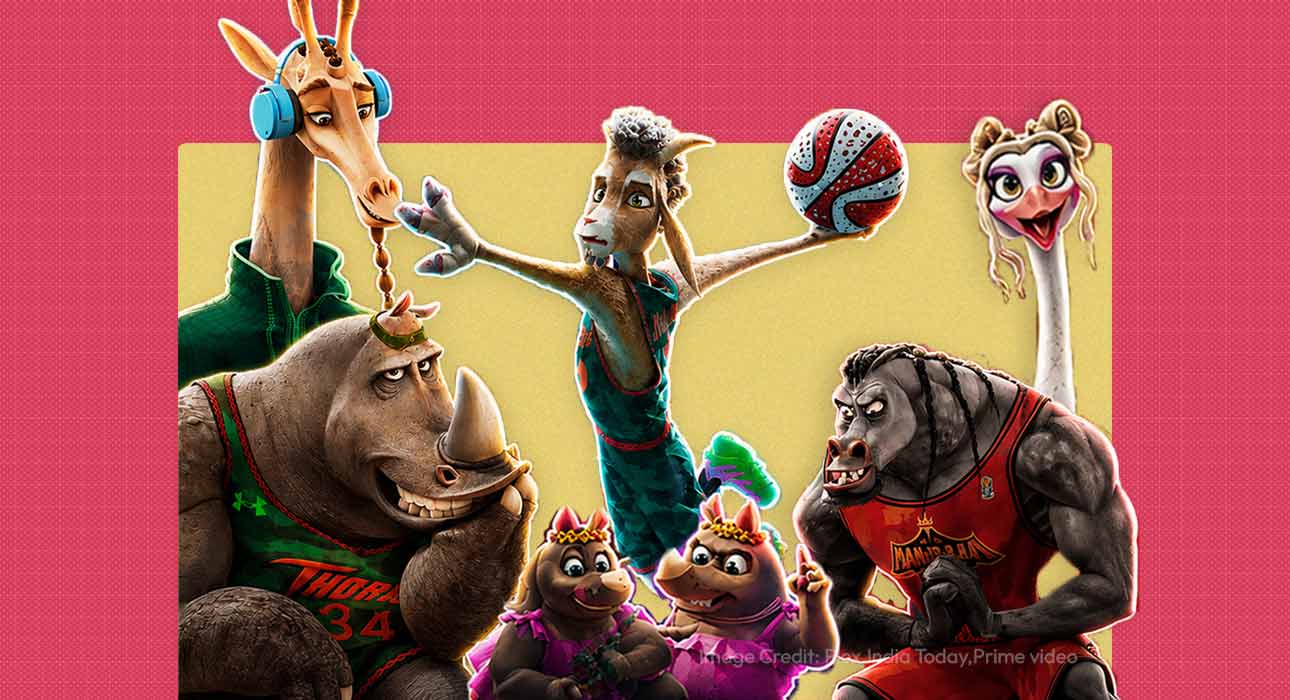
GOAT is an animated sports comedy. It’s about an underdog goat going after his dream in a made-up sport called Roarball. Caleb McLaughlin, Gabrielle Union, Stephen Curry, and Jennifer Hudson are in the voice cast, according to Variety in 2026. But behind the scenes, there’s another story. The Disability Loop Group, which debuted because of the Easterseals Disability Film Challenge (EDFC), was involved too. So, GOAT represents their feature film debut. The group recorded chants, crowd reactions, and ambient arena sounds across two days on the Sony Pictures lot (AllAfrica, 2026).Nearly two dozen performers. Visible and invisible disabilities. Wide range of lived experiences.
All working together and paid professionals. All making history. Nic Novicki, the EDFC’s founder and a little‑person actor, said: “Loop work represented a unique opportunity for the disability community, where the barriers that define so much of on‑camera casting simply don’t apply” (AllAfrica, 2026).
Read More: The Psychology of Our Bonds with Animated Characters
Why Representation Behind the Microphone Matters
Representation is often discussed in terms of on‑screen characters. A disabled actor playing a disabled role. That matters. But it is not enough. Behind‑the‑microphone representation is equally vital. Voice work removes many physical barriers. A wheelchair user, a person with a speech difference, or someone with an invisible disability can all excel in a voice booth. Novicki put it simply: “It doesn’t matter what your disability is or what you look like. Your voice is your instrument. You could play anything” (Variety, 2026).
GOAT proved that principle at scale. The group, coordinated by director and autism spectrum advocate Brock Powell, includes actors with a wide range of visible and invisible disabilities (Variety, 2026). Authenticity matters. When disabled performers create the ambient energy of a crowd, that energy carries lived understanding, not imitation.
Breaking the Employment Gap
The employment statistics for people with disabilities are sobering. One in four Americans lives with a visible or invisible disability. Yet only about 22% are employed (Los Angeles Business Journal, 2026). In Hollywood, the numbers are worse. A 2022 USC Annenberg study found that speaking characters with a disability in major films was just 1.9%. GLAAD reported that only 2.8% of primetime broadcast series regulars were characters with disabilities. And approximately 95% of disabled characters are played by able‑bodied actors (Deadline, 2024).
GOAT did not just add a disabled character to the screen. It employed disabled artists, real people, real paychecks, real careers. The loop group is not a one‑time stunt. According to Variety (2026), the group already has additional studio projects underway.
The Road to GOAT: Easterseals Disability Film Challenge
This milestone did not happen overnight. Novicki launched the Easterseals Disability Film Challenge 13 years ago. He noticed a persistent gap in opportunity for disabled creators in Hollywood (Variety, 2026). Sony Pictures Entertainment has been a key sponsor and host of the challenge for seven years. In February 2024, the EDFC held a workshop on the Sony lot. Participants received coaching from animation executives and casting directors (Sony, 2024). That workshop became the loop group.
Two earlier castings confirmed the potential. Novicki voiced Lego Spider-Man in “Spider-Man: Across the Spider‑Verse,” while Danielle Perez, a wheelchair user, got cast as Sun‑Spider. Producers Phil Lord and Chris Miller found Perez through a casting call, according to Deadline (2024). These casting choices showed that disability inclusion was possible in films. GOAT scaled it up.
Awareness and the Ripple Effect
Awareness is not just about feeling good. It is about changing norms. When a major studio like Sony invests in an all‑disability loop group, it signals to the entire industry that disabled artists are capable. Professional. Deserving of the same opportunities as anyone else. Young viewers with disabilities see the film. They do not see the loop group on screen.
But they absorb the message: people like them are part of this world. Working. Creating. Belonging. The film’s fictional sport, roarball, has no weight classes and no restrictions. Anyone can compete based on skill, determination, and teamwork (Los Angeles Business Journal, 2026). That theme mirrors the real‑world production choice. Skill matters. Not disability.
What Comes Next
GOAT is not the end. It is the beginning. The Disability Loop Group is already working on multiple studio projects. Novicki hopes this becomes the new normal, not a novelty. “People with disabilities are getting hired, getting opportunities, and I really feel like that’s going to continue to happen” (Variety, 2026). Other studios are watching. If Sony’s gamble succeeds critically and commercially, more will follow.
The Employment Loop Group model is scalable. Voice work is accessible. Training pipelines already exist: Spectrum Laboratory, Autism in Entertainment, and the Easterseals Disability Film Challenge itself (Los Angeles Business Journal, 2026). The infrastructure is ready. The talent is waiting.
Conclusion
GOAT made history. Not because of its box office. Not because of its star voice cast.Because nearly two dozen actors with disabilities stood behind microphones and created the roar of a crowd. The first all‑disability loop group in major studio history. That roar carries a message. Disabled artists are not charity cases. They are professionals. Their voices matter. Their employment is not a favour; it is an overdue correction. Awareness without action is empty. Sony took action. Others should follow. The crowd is roaring. Finally, it includes everyone.
References +
- AllAfrica. (2026). Nigeria: Sony Pictures Animation’s ‘Goat’ is the first major studio film looped by persons with disabilities. https://allafrica.com/stories/202603180503.html
- Deadline. (2024). Easterseals Disability Film Challenge launches first‑ever disability loop group on Sony lot. https://deadline.com/2024/02/easterseals-disability-film-challenge-launches-disability-loop-group-on-sony-studio-lot-1235836173/
- Easterseals Disability Film Challenge. (2024). Loop group workshop. https://disabilityfilmchallenge.com/workshops/loop-group
- Los Angeles Business Journal. (2026). OpEd: Producers create lasting impact. https://labusinessjournal.com/commentary/oped-producers-create-lasting-impact/
- Sony. (2024). Creation of the first‑ever disability loop group. https://www.sony.com/en/SonyInfo/accessibility/initiatives/DisabilityLoopGroup/
- Variety. (2026). Sony Pictures Animation’s ‘GOAT’ makes history as the first major studio film looped by an all‑disability group. https://variety.com/2026/film/news/goat-voiced-disability-loop-group-sony-1236686254/