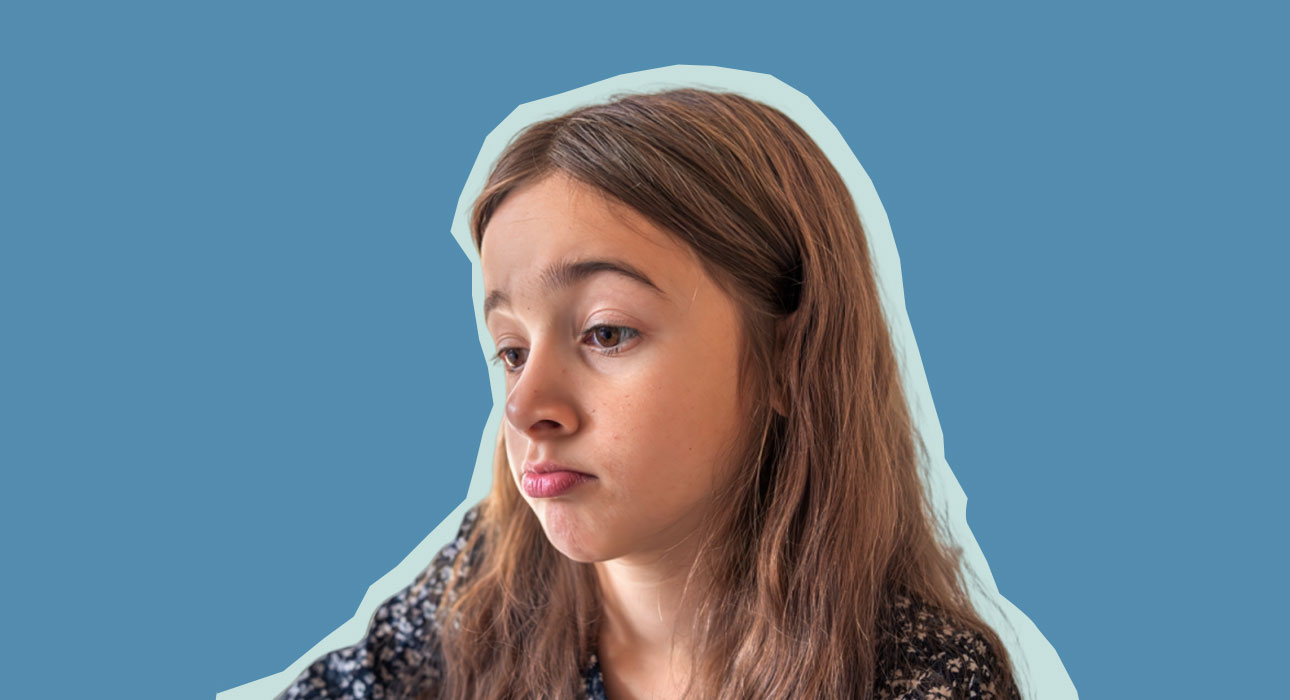
Puberty is a natural event. Its occurrence can influence the adolescent years. For some children, physical development becomes apparent before the majority of their peers. While they are still learning and going through the childhood process, their bodies may still undergo a transformation. This disconnect can bring some challenges that go beyond puberty. Previous studies have found that earlier puberty is associated with increased risk of some psychological outcomes.
This may include aspects of anxiety, depression, poor body image, or possibly some social difficulties, especially for females (Stumper & Alloy, 2023; Ullsperger & Nikolas, 2017). Early puberty, however, doesn’t necessarily lead to mental health issues. Its effects are influenced by biological, psychological, family, and social aspects. The article explores puberty, its early emergence, and the onset of any mental health concerns that could be associated with it.
When Puberty Arrives Early?
Going through puberty brings numerous changes to the brain and body. There are hormonal changes and a shift in the social experiences for an individual. The timing and pace of these changes vary considerably between individuals. So “early” or “late” development is not a sign of a health problem. Psychologically, it is more often the gap between how physically developed the young person is and their emotional readiness or social setting (Kretzer et al., 2024; Pfeifer & Allen, 2021).
Suppose, for instance, a 10-year-old girl starts to show signs of puberty, when most of her peers still look and feel like children. Unexpected comments may be made about her appearance or she may be treated as being older than her expected age. But she can have the same interests and emotional needs as her classmates. This imbalance can make puberty problematic rather than just exciting and natural. Adverse social circumstances around pubertal development appear to account for some of the adverse psychological consequences of early puberty (Pfeifer & Allen, 2021).
The term “early puberty” should also be differentiated from “precocious puberty.” Precocious puberty is a condition of an unusually early sexual development stage that may necessitate a medical evaluation. The general literature on pubertal timing typically investigates whether or not adolescents reach puberty earlier or later than others. Therefore, an adolescent may reach the stage of puberty relatively early without a medical disorder (Luo et al., 2024).
Read More: How Early Puberty Impacts the Mental Health of the Child
Why Can Early Puberty Affect Mental Health?
Hormonal impact occurs during puberty. The maturation of the brain, feelings, emotions, and behaviour is largely affected. Meanwhile, adolescents are more sensitive to peer relationships and to social evaluation. These processes occur concurrently and are not independent. The transformation experienced within the body can affect a young person’s self-perception and the reactions of others to them (Pfeifer & Allen, 2021).
This can lead to a “developmental mismatch”. A youth can appear to be older than his/her peers but lack emotional maturity corresponding to the older adolescent years. Such experiences can increase social pressure and emotional strain. A systematic review of 101 studies was conducted. It was found that early pubertal timing was associated with small but consistent increases in several forms of psychopathology. Also, it was noted that the strength of these associations varied across studies (Ullsperger & Nikolas, 2017).
Importantly, this does not mean that hormones alone explain mental health concerns. A 2024 systematic review of 55 population-based studies found associations between some pubertal hormones and mental health problems. But it concluded that evidence for direct causal effects remained weak because of confounding and other methodological limitations (Luo et al., 2024). Mental health during adolescence is therefore better understood as the result of several interacting influences rather than a simple hormonal effect.
Anxiety and Emotional Uncertainty
One of the concerns that can be more apparent in the early phases of puberty is anxiety. When a young person grows earlier than siblings, he or she can feel unusually conscious about his or her appearance. They also might ask themselves how they’re seen by others. There might be uncomfortable feelings induced due to awkwardness or feeling like they are being looked at or teased. Conditions like getting dressed for sports or speaking in front of class can become a cause of discomfort if these concerns are there (Reardon et al., 2009; Ullsperger & Nikolas, 2017).
There is research evidence that links earlier pubertal phase to increased anxiety symptoms, especially in girls. The relationship, however, isn’t always so simple. A review of over 45 studies showed that there was an association between developing puberty and an increase in anxiety in girls. The researchers were unable to conclude from the data that early puberty caused anxiety or anxiety caused early puberty in all cases (Reardon et al., 2009).
This vulnerability can be greater in the social context. Suppose that a girl matures earlier than her peers and starts receiving unwanted comments on her looks. While physical change may not induce stress, reactions to the changes may. Anxiety can be evoked not only by whatever is happening to the body itself. But also from what the young person believes those changes mean socially (Pfeifer & Allen, 2021; Ullsperger & Nikolas, 2017).
Read More: Psychology Behind Uncertainty: Why the Unknown Triggers Anxiety
Low Self-Esteem and Body Image
Adolescents may also think differently about their body based on early puberty. Body shape and appearance naturally change during puberty. When these changes happen before the expected time, youth might think that their bodies do not look the same as their peers. Comparing themselves with peers can then become difficult (Forney et al., 2019; Ullsperger & Nikolas, 2017).
The importance of body image cannot be overemphasised because adolescence is a time when image may become more socially significant. Research has found evidence related to social experience and body image. The social pressures around appearance and weight-related teasing are associated with greater body-image concerns in girls. Also, hormonal changes may influence how strongly these social experiences are related to body-image concerns (Forney et al., 2019).
A teenage girl might therefore think, “Why do I have facial hair and others do not?” Similarly, a teenage boy might think, “How come I have a moustache, but no one else does?” Rather than viewing development as an individual variation, they may interpret the difference negatively. This can affect confidence in social situations. Low self-esteem has also been found to go hand in hand with internalising problems related to mood in adolescents (Keane & Loades, 2017).
But a young age at puberty doesn’t automatically lead to low self-esteem. Positive relationships can affect the way that adolescents view changes in their bodies. A young person may be less likely to view their differences as something embarrassing or wrong if they receive:
- accurate information,
- inclusivity,
- reassurance, and
- acceptance (Pfeifer & Allen, 2021; Vijayakumar & Whittle, 2023).
Mood Changes and Depression
Adolescent mood swings are a normal phenomenon. Some young individuals might experience higher susceptibility to symptoms of depression during early puberty. A systematic review of 36 studies was performed. It found a significant association between advancing pubertal stage and depression among girls. However, the same pattern was not observed among boys (Stumper & Alloy, 2023).
Earlier menarche (first menstruation in girls) has also received considerable attention. A recent systematic review and meta-analysis involving more than 434,000 participants was conducted. Early menarche was found to be associated with increased odds of depression as compared to normative and late menarche. These data further support the association. However, they cannot prove that early puberty, by itself, leads to depression (Stumper & Alloy, 2023). Several pathways may contribute. A young person may experience;
- greater body dissatisfaction
- low self-esteem
- peer difficulties
- social pressure
- expectations to behave older than they feel.
These experiences can accumulate. Peer victimisation and body esteem have been identified in research on pubertal timing. Could be involved in the link between pubertal timing and peer experiences with depressive symptoms in girls (Hamlat et al., 2015).
That’s why the surrounding is important. Let’s assume two young individuals who grow up at the same time.
- One has supportive friends and parents who explain the changes and don’t judge the questions.
- The other is teased about their appearance and feels uncomfortable discussing puberty at home.
Their psychological experiences may be very different despite similar biological development (Pfeifer & Allen, 2021; Vijayakumar & Whittle, 2023).
Social Difficulties and Peer Relationships
Peers become increasingly important during adolescence. The younger generation often compares themselves with their peers. They do so to understand whether their overall personality pertaining to appearance, behaviour, and experiences is normal. Early maturation can therefore make a young individual feel out of place with their peer group (Pfeifer & Allen, 2021; Ullsperger & Nikolas, 2017).
Some early-maturing girls may also be perceived as older by others. This can change the kinds of social interactions they encounter. Research has suggested that early pubertal development may increase exposure to older peers or different social contexts. However, these outcomes depend strongly on the surrounding environment (Stattin et al., 2011).
Peer relationships can therefore work in either direction. Supportive friendships may protect against distress. Teasing, exclusion, or pressure may increase it. One study found that early-maturing girls were particularly vulnerable to negative peer influences. This happened when they had problem-causing friends who got involved in wrongdoings. This does not mean early-maturing adolescents will inevitably make poor choices. Rather, social context can determine whether early development becomes a source of additional vulnerability (Ge et al., 2013).
School environments may also matter. A child who physically appears older and more developed may be treated as more mature by peers or even adults. However, this type of physical development does not lead to mental maturity. Expecting a young person to “act their age” based on appearance can create unnecessary pressure (Pfeifer & Allen, 2021; Vijayakumar & Whittle, 2023).
The Role of Social Expectations
In addition, the experiences of puberty are shaped by society. Attractiveness, body shape, maturity and gender roles are all learned from peers, family, entertainment and social media for youth. This information can only enhance ordinary physical differences, making them feel like it’s something that should be judged or controlled (Forney et al., 2019; Holland & Tiggemann, 2016). This is particularly relevant when young people begin comparing themselves with idealised images online. Early physical development may therefore intersect with an already demanding appearance-focused environment (Forney et al., 2019).
The problem is not simply that adolescents notice differences. Comparison is a normal part of development. The concern arises when comparison repeatedly points to a particular timeline of bodily growth and maturity as more acceptable than any other. In such circumstances, early puberty can become another reason for a young person to feel different (Forney et al., 2019; Vijayakumar & Whittle, 2023).
Beyond the Timing of Puberty
It is important not to present early puberty as a direct pathway to mental illness. Most young people who mature early will not necessarily develop anxiety or depression. Research results only indicate greater risk; it does not mean it will definitely happen. A meta-analysis found that associations between early pubertal timing and psychopathology were generally small. Even though they appeared across several psychological domains (Ullsperger & Nikolas, 2017). Other factors can either increase or reduce this risk. Psychological outcomes can be influenced by;
- Family relationships,
- peer support,
- socioeconomic circumstances,
- childhood experiences,
- body image, and
- individual coping abilities.
Research on psychosocial predictors of pubertal timing showcases complexity. The correlation between early development and childhood phase cannot be reduced to a single cause (Vijayakumar & Whittle, 2023).
This distinction is important for parents and educators. Saying that an early-maturing child is at risk should lead to greater understanding, not labelling. A child who showcases a major shift in mood, such as being depressed, reserved or unhappy, and who withdraws socially may need support regardless of when puberty began (Pfeifer & Allen, 2021; Ullsperger & Nikolas, 2017).
How Can Young People Be Supported?
The very first step is to make puberty less confusing. Youth deserve age-appropriate information regarding physical and emotional change, before it happens. This awareness of individual rate of development can take the edge off the anxiety of being “late” or “early” (Pfeifer & Allen, 2021; Vijayakumar & Whittle, 2023).
Focusing on early physical maturity as a sign of emotional maturity is also an unhealthy behavior for adults. There needs to be a suitable form of aid or support, along with maintaining boundaries and providing reassurance, even for a child who may seem older. Parents can choose to make room for questions without embarrassment or criticism. Schools have a role to play via accurate puberty education and by attending to teasing around appearance seriously (Pfeifer & Allen, 2021; Vijayakumar & Whittle, 2023).
Emotions also count, as much as biological information. A young person, for instance, might express concern about his or her growing body. Acknowledging that we all ‘go through it’ isn’t necessarily consoling. Listening first can communicate that their experience matters. Then getting them the aid they require. Good peer, parent and teacher relations can offer significant safeguards during adolescent developmental stress (Pfeifer & Allen, 2021). Persistent psychological difficulties should also receive attention. There are factors that should not simply be attributed to “hormones.”
- Ongoing anxiety,
- significant changes in mood,
- social withdrawal, or
- problems functioning at school or home.
Often puberty comes with a mental health issue; however, it shouldn’t be an excuse to dismiss them (Luo et al., 2024; Stumper & Alloy, 2023).
Conclusion
Children don’t simply “grow up faster” when they develop early as a child. It can mean going through developmental changes whilst feeling very much like a child. This gap might influence children’s internal perspectives, relationships, and reactions to social pressure. Studies have indicated that early onset of puberty might make youth vulnerable towards certain mood-related or personality-related disorders and body-image issues.
However, it is still not a roadmap to their mental health (Stumper & Alloy, 2023; Ullsperger & Nikolas, 2017). The things that happen around puberty are as important as when they happen. This transition can be made less confusing by understanding and supportive relationships, and by providing appropriate guidance to the child. Also, early development should be accompanied by greater support and not greater expectations. An older-looking child deserves the attention, patience and understanding that comes with innocence and childhood.
References +
- Forney, K. J., Holland, L. A., Wang, S. B., & Keel, P. K. (2019). Interaction of hormonal and social environments in understanding body image concerns in adolescent girls. Journal of Psychiatric Research, 109, 178–184. https://doi.org/10.1016/j.jpsychires.2018.12.008
- Hamlat, E. J., Shapero, B. G., Hamilton, J. L., Stange, J. P., Abramson, L. Y., & Alloy, L. B. (2015). Pubertal timing, peer victimisation, and body esteem differentially predict depressive symptoms in African American and Caucasian girls. The Journal of Early Adolescence, 35(3), 378–402. https://doi.org/10.1177/0272431614534071
- Holland, G., & Tiggemann, M. (2016). A systematic review of the impact of the use of social networking sites on body image and disordered eating outcomes. Body Image, 17, 100–110. https://doi.org/10.1016/j.bodyim.2016.02.008
- Keane, L., & Loades, M. (2017). Review: Low self-esteem and internalising disorders in young people: A systematic review. Child and Adolescent Mental Health, 22(1), 4–15. https://doi.org/10.1111/camh.12204
- Kretzer, S., Lawrence, A. J., Pollard, R., Ma, X., Chen, P. J., Amasi-Hartoonian, N., Pariante, C., Vallée, C., Meaney, M., & Dazzan, P. (2024). The dynamic interplay between puberty and structural brain development as a predictor of mental health difficulties in adolescence: A systematic review. Biological Psychiatry, 96(7), 585–603. https://doi.org/10.1016/j.biopsych.2024.06.012
- Luo, D., Dashti, S. G., Sawyer, S. M., & Vijayakumar, N. (2024). Pubertal hormones and mental health problems in children and adolescents: A systematic review of population-based studies. eClinicalMedicine, 76, 102828. https://doi.org/10.1016/j.eclinm.2024.102828
- Mendle, J., Ryan, R. M., McKone, K. M. P., & Stroud, C. B. (2019). Psychosocial predictors of pubertal timing: A systematic review. Paediatrics & Child Health, 24(4), 251–259. https://doi.org/10.1093/pch/pxy130
- Pfeifer, J. H., & Allen, N. B. (2021). Puberty initiates cascading relationships between neurodevelopmental, social, and internalising processes across adolescence. Biological Psychiatry, 89(2), 99–108. https://doi.org/10.1016/j.biopsych.2020.09.002
- Reardon, L. E., Leen-Feldner, E. W., & Hayward, C. (2009). A critical review of the empirical literature on the relation between anxiety and puberty. Clinical Psychology Review, 29(1), 1–23. https://doi.org/10.1016/j.cpr.2008.09.005
- Stattin, H., Kerr, M., & Skoog, K. (2011). Early pubertal timing and girls’ problem behaviour: Integrating two hypotheses. Journal of Youth and Adolescence, 40, 1275–1287. https://doi.org/10.1007/s10964-011-9696-9
- Stumper, A., & Alloy, L. B. (2023). Associations between pubertal stage and depression: A systematic review of the literature. Child Psychiatry & Human Development, 54(2), 312–339. https://doi.org/10.1007/s10578-021-01244-0
- Ullsperger, J. M., & Nikolas, M. A. (2017). A meta-analytic review of the association between pubertal timing and psychopathology in adolescence: Are there sex differences in risk? Psychological Bulletin, 143(9), 903–938. https://doi.org/10.1037/bul0000106
- Vijayakumar, N., & Whittle, S. (2023). A systematic review into the role of pubertal timing and the social environment in adolescent mental health problems. Clinical Psychology Review, 102, 102282. https://doi.org/10.1016/j.cpr.2023.102282