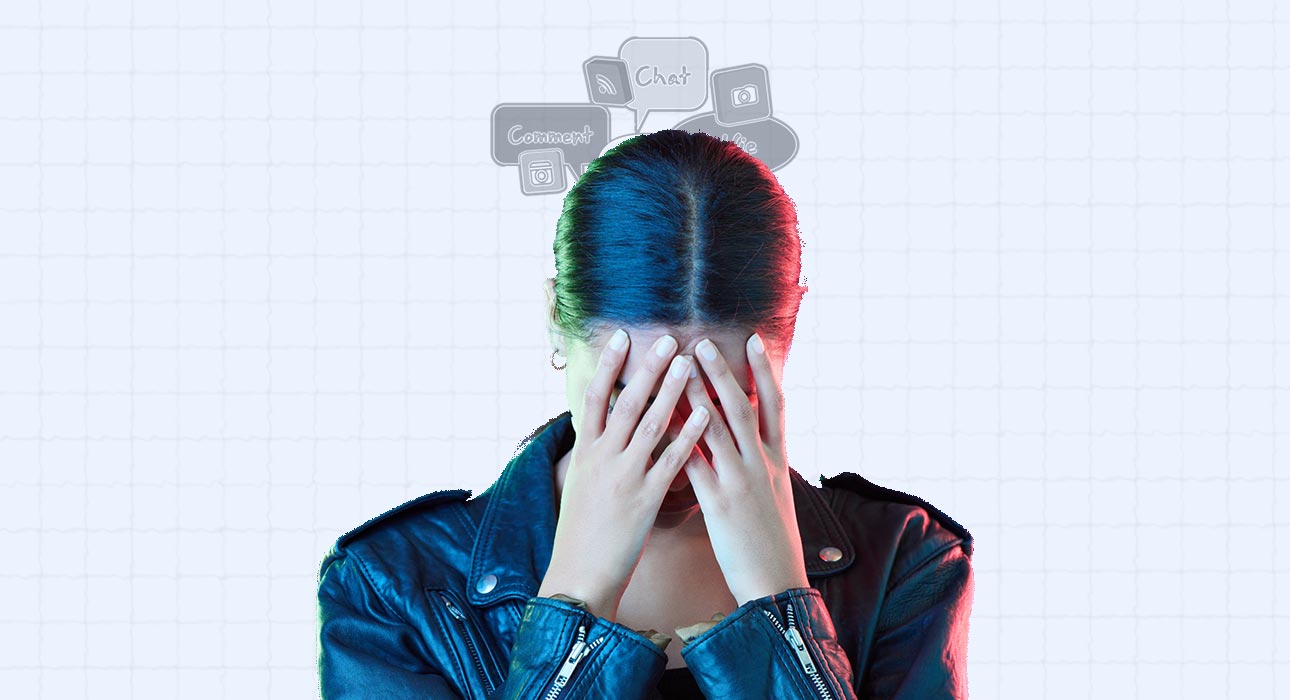
A teenager uploads a short dance video before going to bed. By morning, the video has crossed thousands of views. Notifications keep appearing, strangers leave compliments, and followers begin increasing rapidly. What started as a casual post suddenly becomes a source of attention, validation, and excitement. For many influencers, this instant recognition feels rewarding and emotionally uplifting. However, the emotional reality behind internet fame is often very different from what audiences see online.
Studies have found that social media praise activates the brain’s reward centres similarly to other pleasure-seeking behaviours (Montag et al., 2019). Uses and Gratifications Theory explains that people use certain media to gratify their emotional and social needs (Katz et al., 1973). Needs such as approval, socialisation, and recognition. As influencers receive praise from online appearances, they may create connections between validation and self-worth.
Over time, this can lead to emotional reliance on online acceptance (Andreassen et al., 2017). Another theory goes deeper into humans’ desire to compare. Social Comparison Theory explains that people will inevitably compare themselves to others to provide some sense of value and success (Festinger, 1954). Between keeping up with competitors and seeing how many likes/getup/getfitwithfitness got on their latest post, social media influences comparison, anxiety, and pressure to stay relevant (Fardouly & Vartanian, 2016).
The purpose of this article is to dive into influencer culture and its impacts on mental health. How brain chemicals like dopamine cause us to become emotionally dependent on online validation. And why receiving sudden internet fame can lead to burnout, anxiety, and emotional depletion over time (Maslach & Leiter, 2016).
Read More: Social comparison in the age of Social media
Digital Validation and the Brain’s Reward System
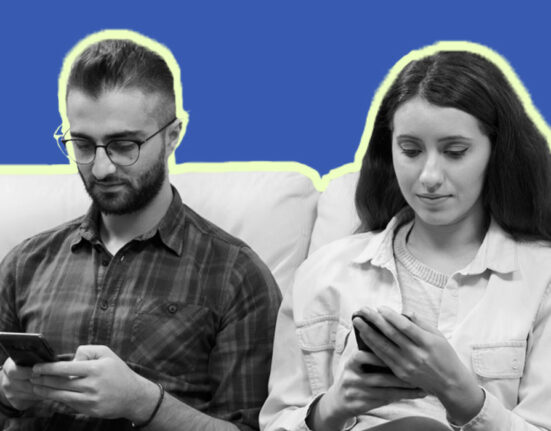
We want others to accept us and approve of who we are because we need to feel emotionally attached to people (Baumeister & Leary, 1995). Acceptance, compliments, and praise can make us feel better about ourselves. The experience is magnified on social media platforms because now we can get instant, public, and consistent validation from others. Every like, share, comment, and follower we earn can give us a little dopamine rush (Montag et al., 2019).
Dopamine plays a role in this process as well. Dopamine is a neurotransmitter responsible for regulating pleasure, motivation, and reward-based behaviour (Volkow et al., 2011). When you receive positive comments online, your brain releases dopamine, and you feel a sense of excitement and reward (Montag et al., 2019). This could be why you’re itching to stare at your phone after posting. Studies done on social media addiction indicate that your brain starts forming habits to chase these dopamine-filled hits. (Andreassen et al., 2017)
Instagram, Youtube, Tik Tok etcetera are all a gamble. You never know what video is going to blow up or what you should make next. Behavioural psychology refers to this as reinforcement theory. Unpredictable reinforcement increases repetitive behaviour because the brain is excited about receiving another reward (Skinner, 1953; Alter, 2017). Creating content becomes hardwired into your brain as you seek validation whenever you post.
Read More: Social Media Addiction Among Children and how to deal with it
When Online Fame Becomes Personal Identity
Social media starts to become you. Your personality, appearance, relationships, and activities become content. Your followers see you online but don’t get to see you day-to-day. Identity theory states that people create their identities based on the social roles they play in public life (Stryker & Burke, 2000). The more you care about others’ reactions online, the more you’ll base your value off your followers.
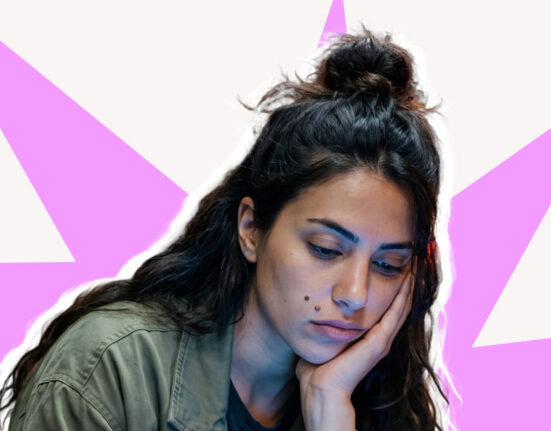
Studies have shown that depending on external sources for validation can lead to low self-esteem and emotional difficulties (Keles et al., 2020). Going back to earlier examples of dopamine, your brain begins to crave these rewards. If you one day have a video that doesn’t do well, you may feel rejected or emotionally worthless.
Comparison is another big factor when it comes to influencers. Like previously mentioned, we want to be better than our peers but also like them. When influencers see other creators with more fans or get sponsored by brands, it improves their feelings of inadequacy (Fardouly & Vartanian, 2016). They’re wondering why their friends got the opportunity and not me?.
Many influencers feel pressured to appear as perfect as their photos. Whether it be hiding mental health struggles or pretending they workout everyday, influencers feel the need to look photo-worthy. Validation theory explains that people will control how others perceive them in social situations (Goffman, 1959). Over time, pretending to be happier than you really are can seem like a job. This leads to emotional burnout and decreased emotional authenticity (Abidin, 2018).
Read More: Identity Fragmentation Across Social Media Platforms and Its Mental Toll
The Emotional Burnout Behind Constant Visibility
Posting regularly is Social Media’s favourite thing about you. The more you post, the more reach you’ll get. If you skip a day or two, certain algorithms may not show your content as much. Many creators believe they can’t take days off or they’ll lose traction.
Constant stress like this can result in burnout. Burnout is when you experience emotional, mental, and physical exhaustion due to stress accumulated over time (Maslach & Leiter, 2016). Losing sleep, anxiety, feeling like you’ll become irrelevant, and not knowing where you start and your Instagrammer self ends are examples of burnout influencers can feel (Keles et al., 2020).
Receiving hateful comments on your posts can harm your mental health. Viral attention is also temporary. One day you’re trending on Twitter, and the next your followers have lost interest. Influencers may feel confused and upset when their self-worth is suddenly crushed (Andreassen et al., 2017). Validation from internet fame may cause emotional breakdowns when there’s no more attention (Montag et al., 2019).
Read More: Psychological Dependence on Algorithms: Who Is in Control—You or the Algorithm?
Building Healthier Relationships With Social Media
Just because the influencer lifestyle can have negative effects doesn’t mean you have to join them. There are many pros to being a content creator on social media. You can surround yourself with others who will support you, be more creative, and have financial freedom (Abidin, 2018). Social media is like anything else in life. It’s how you manage your mental health while using it. Don’t let your value be determined by others you speak to on the internet (Keles et al., 2020).
Psychologists recommend taking breaks, not comparing yourself to others, and having relationships outside of social media (Fardouly & Vartanian, 2016). Telling yourself that your worth isn’t measured by how many followers or comments you get is another great way to help yourself from burning out on social media.
Audiences have the power to make influencers feel better about themselves. Most of us know that Instagram is rarely in real time. A lot of people edit their photos with filters or take days to create content. Once you see that influencers are humans too, just like you, you’ll begin making them feel better.
Read More: The Psychology Of Early Social Media Exposure: Growing Up Online
Conclusion
Posting on social media makes us feel good about ourselves. Whether it be posting about our fitness journey, buying new clothing, or spraying a pint of gel. Every like and comment we receive makes us feel validated and happy. The problem some influencers face is allowing social media validation to become their self-worth.
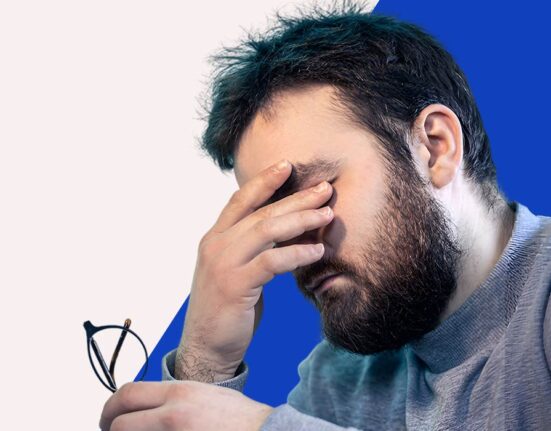
We only see influencers’ videos and photos, but not how they truly feel on the inside. Every influencer you see has probably experienced some sort of emotional struggles due to their online exposure. Yes, internet fame can be fun and exciting, but it comes at a cost many of us don’t see.
Social media can have many positive and negatives. Creating healthy boundaries and self-worth will allow you to use social media healthily. Not only is understanding the psychology behind influencer culture important for influencers, but also important for anyone who spends a significant amount of time on social media.
References +
Afifi, T. O., Ford, D., Gershoff, E. T., Merrick, M., Grogan-Kaylor, A., Ports, K. A., MacMillan, H. L., Holden, G. W., Taylor, C. A., Lee, S. J., & Bennett, R. P. (2017a). Spanking and adult mental health impairment: The case for the designation of spanking as an adverse childhood experience. Child Abuse & Neglect, 71, 24–31. https://doi.org/10.1016/j.chiabu.2017.01.014
Foulkes L, Andrews JL. Are mental health awareness efforts contributing to the rise in reported mental health problems? A call to test the prevalence inflation hypothesis. New Ideas Psychol 2023; 69: 101010.
Geyser W. What is an influencer? – social media influencers defined [updated 2023] [Internet]. Influencer Marketing Hub, https://influencermarketinghub.com/what-is-an-influencer/ (2017, accessed 6 August 2023)
Gupta, R., and L. Martinez. “Measuring Influencer Marketing Effectiveness in Specialised Consumer Segments.” Journal of Marketing Analytics, vol. 11, no. 3, 2023, pp. 211–230.
Hundekari, S. (2025). Cybersecurity Threats in Digital Payment Systems (DPS): A data science perspective. Journal of Information Systems Engineering &
Management, 10(13s), 491–503. https://doi.org/10.52783/jisem.v10i13s.2104
Kim, J., and S. Park. “The Role of Micro-Influencers in Niche Markets: A Comparative Analysis of Engagement and Conversion.” Journal of Digital Marketing Research, vol. 18, no. 1, 2024, pp. 25–41.
Lee, H., and Y. Chen. “Authenticity and Trust in Influencer Marketing for Niche Luxury Brands.” International Journal of Advertising, vol. 43, no. 2, 2024, pp. 189–210.
Sharma, P., and M. Thomas. “Exploring the Impact of Influencer Authenticity on Niche Consumer Purchase Intentions.” Journal of Retailing and Consumer Services, vol. 61, 2021, p. 102569.
Sharma, N., Soni, M., Kumar, S., Kumar, R., Deb, N., & Shrivastava, A. (2022). Supervised machine learning method for ontology-based financial decisions in the stock market. ACM Transactions on Asian and Low-Resource Language Information Processing, 22(5), 1–24. https://doi.org/10.1145/3554733
Wang, T., and A. Suh. “Social Media Influencer Marketing Effectiveness: Moderating Role of Niche Audience Fit.” Journal of Business Research, vol. 150, 2022, pp. 289–298.