









Description
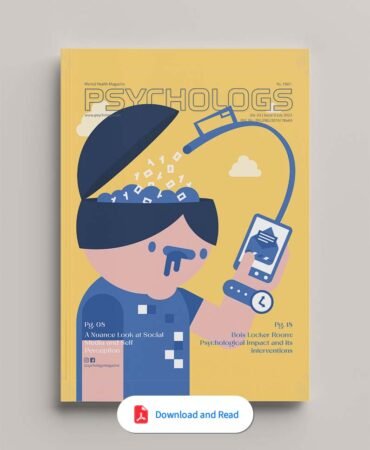
Psychologs Magazine explores the evolving relationship between modern life, psychology, and mental health. It combines research, expert insights, and real-world observations to show how societal changes affect our thoughts, emotions, and behaviors.
In Playing Human: The Psychological Pull of Human-Like Robots, readers discover how technology influences attachment, empathy, and emotional engagement. Meanwhile, Understanding Life Scripts in Transactional Analysis explains how early experiences and patterns, as outlined by Eric Berne, Claude Steiner, and Fanita English, shape self-perception and interpersonal relationships.
Paving the Way for Gender-Neutral Parenting and Social Acceptance discusses how changing norms affect child development and family dynamics. In addition, The Psychology Behind Mother-Daughter Relationships highlights emotional bonds and the challenges that influence identity and growth.
The article The Gen Z Trend of Fake-Flexing: Self-Affirmation or Cry for Validation? examines social behavior and identity expression in younger generations. Furthermore, The Subtle Ways Gen Z Is Redefining Work Culture explores how career expectations and workplace norms are shifting with emerging social values.
Wellness in 2025 analyzes mental health priorities in modern society, including rising wellness trends and the societal suicidal paradox. In addition, CBT for Treating GAD Among Children and Adolescents offers practical insights into interventions for anxiety, while How Psychologists Turn Therapy Resistance into Progress shows innovative strategies for overcoming obstacles in treatment.
Finally, The Scope of Child Psychology in India: Challenges and Opportunities reviews current advances, ongoing barriers, and future potential in supporting young minds across the country.
Through these discussions, Psychologs Magazine provides knowledge, reflection, and actionable insights. It encourages readers to understand the psychological forces shaping modern life while promoting empathy, awareness, and practical guidance for mental well-being.


Leave feedback about this