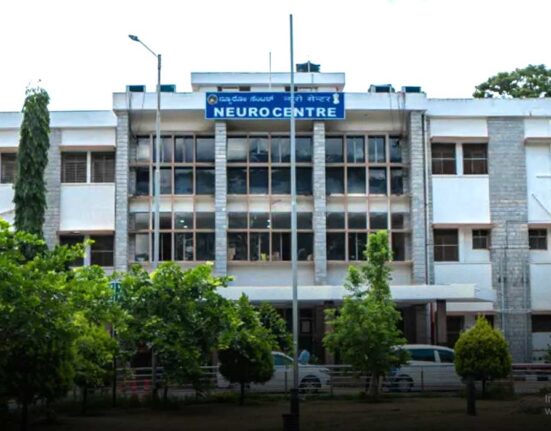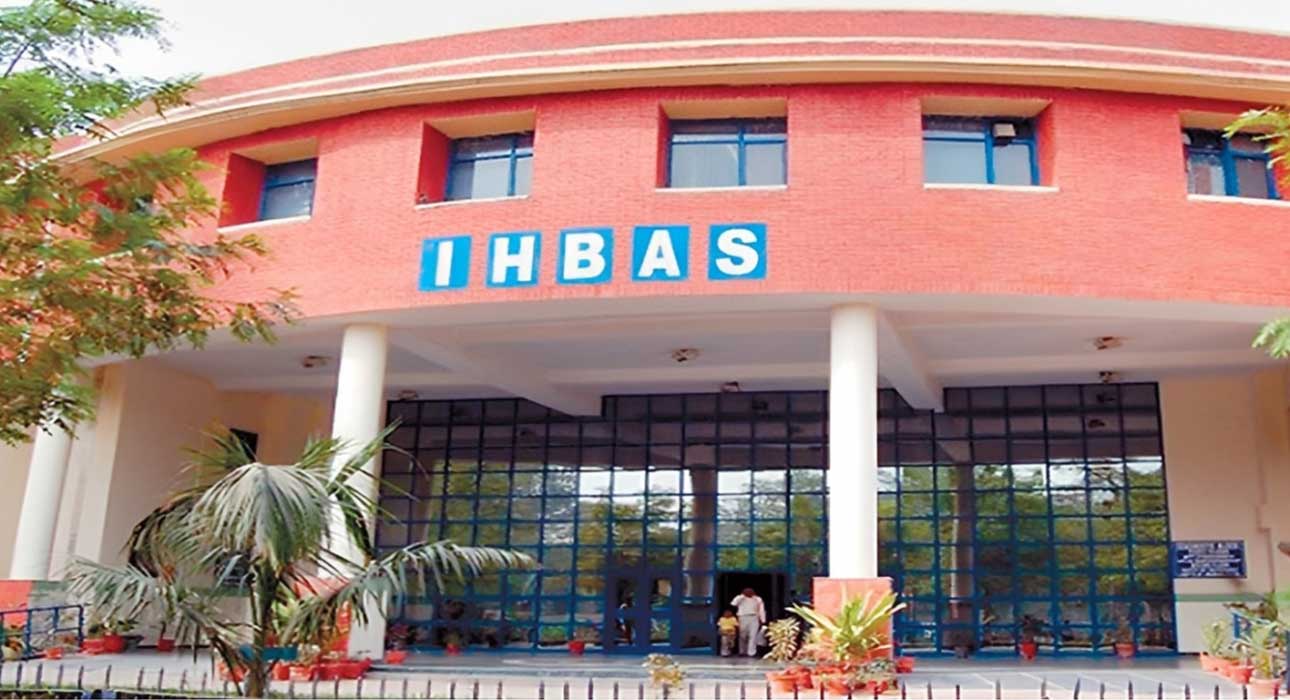
New Delhi | April 13, 2026 — The Institute of Human Behaviour and Allied Sciences (IHBAS) has launched a DM (Doctorate of Medicine) in Geriatric Mental Health, marking a historic change in the healthcare sector of India. The introduction of this program is a major intervention point to address the mental health requirements of the fast-ageing population in the country. This addition makes IHBAS one of the few in India to offer this super-speciality, with Bengaluru NIMHANS and Lucknow KGMU being the other two. The program is already underway in the 2025–26 academic year, and the first group of two students is now starting their special training.
Outpatient Clinics to Full-Scale Department
It is not just an academic expansion but a paradigm shift of the IHBAS approach to the treatment of the elderly. The institute has established its already open geriatric outpatient services as a full-fledged, independent Department of Geriatric Mental Health. The new department provides a more robust ecosystem of clinical care, academic education, and research with its combination of outpatient and inpatient services. To really get a handle on how complex ageing can be, the department is rolling out some highly specific units.
- The Memory Clinic: It is set up specifically to tackle the heavy lifting of diagnosing and treating diseases like dementia and that slow, progressive slide of cognitive impairment that many families struggle with.
- Behavioural and Caregiver Support Clinic: An essential source of assistance aimed at helping families cope with the emotional and practical burden of taking care of ageing family members.
Removing the Specialist Shortage
Health authorities have termed this undertaking as “time-sensitive.” With the growing number of the elderly population in India, cases of late-life depression, anxiety, sleep disorders, and dementia have surged. These conditions are frequently combined with chronic physical disorders. It demands a multidisciplinary combination of psychiatry and neurology, a skill set that is currently in short supply.
It is not a case of isolated medical conditions, as experts observed when launching the program. These disorders essentially change the day-to-day life of a person and place a heavy, often unnoticed burden on their caregivers.
Through developing a new pool of super-specialists, IHBAS is setting itself up to eliminate the workforce gap in geriatric psychiatry. The goal is to shift India away from a disjointed, patchwork approach toward a more committed and long-term management model—one that gives the older citizens of India the dignity and organised care they merit.
References +
United Nations Population Fund. (2017). Caring for our elders: Early responses — India ageing report 2017. UNFPA India.
Prince, M., Bryce, R., Albanese, E., Wimo, A., Ribeiro, W., & Ferri, C. P. (2013). The global prevalence of dementia: A systematic review and meta-analysis. Alzheimer’s & Dementia, 9(1), 63–75. https://doi.org/10.1016/j.jalz.2012.06.011
Grossberg, G. T. (2010). Geriatric psychiatry: An emerging speciality. Missouri Medicine, 107(6), 401–405.
Jaiswal, A. (2026, April 13). IHBAS introduces pioneering DM course in geriatric mental health for India’s ageing population. The Times of India. https://timesofindia.indiatimes.com/science/ihbas-introduces-pioneering-dm-course-in-geriatric-mental-health-for-indias-aging-population/articleshow/130226061.cms