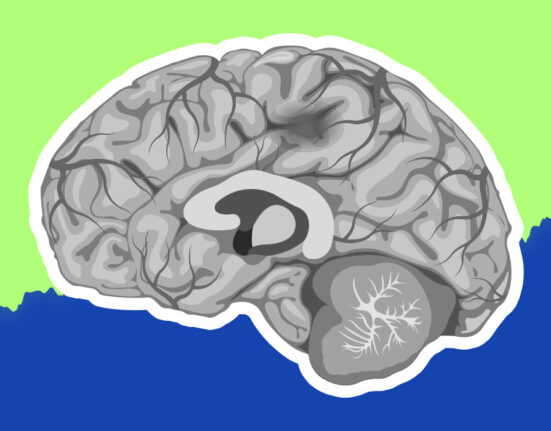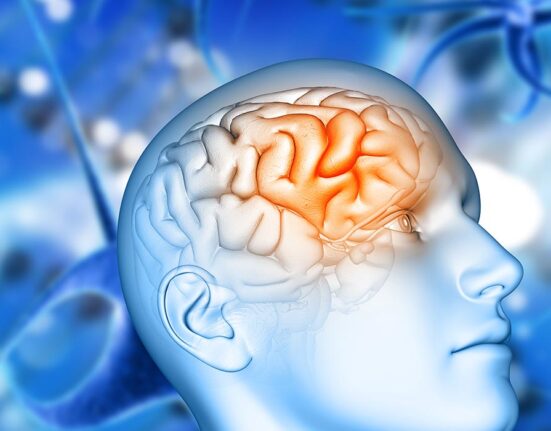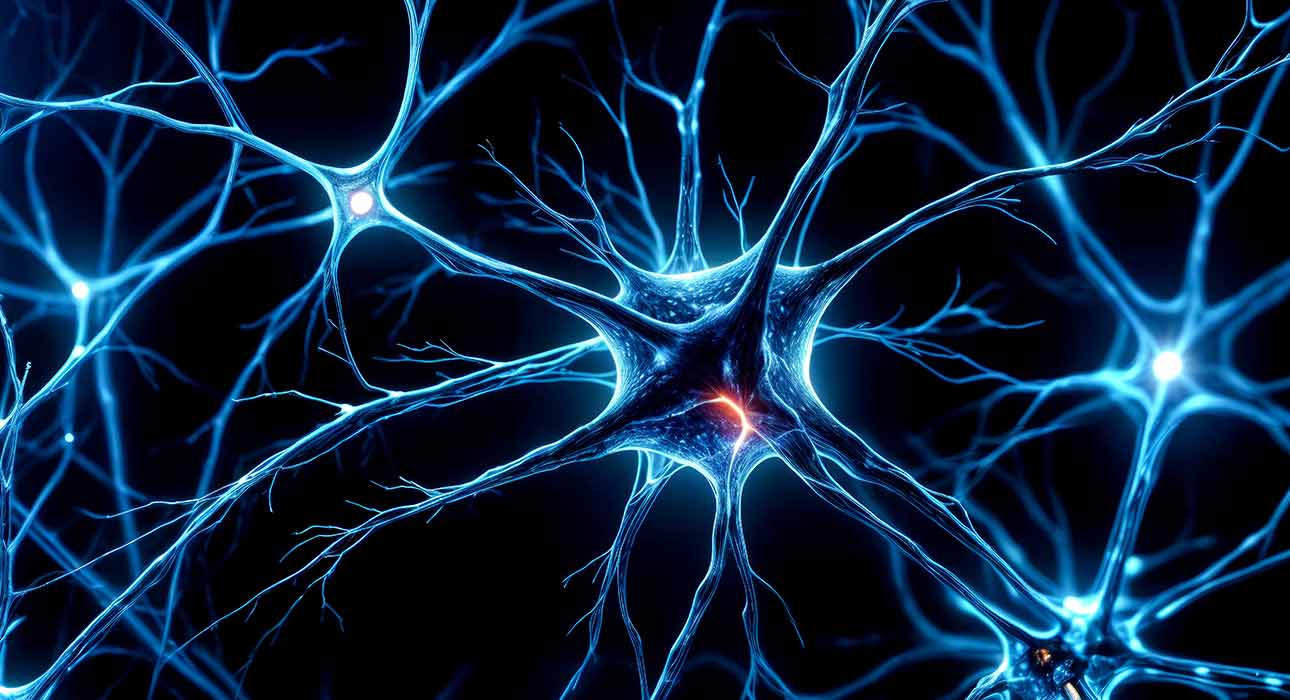
This study examines small segments of genetic code within nerve cells, known as neuronal microexons, and their role in shifting the brain from calm to heightened awareness. When these fragments malfunction, they may trigger excessive wakefulness and trouble sleeping. Such overactivation and disrupted rest patterns often appear in conditions tied to stress or altered brain development, including autism and schizophrenia. Figuring out how this process works matters just as much for grasping fundamental brain function as it does for shaping possible therapies down the line.
Turns out, messing with these tiny genetic bits leaves brain pathways locked in high gear, zebrafish stay jumpy, barely rest, and act restless. Much like what might happen in people.
Role of microexons in the brain
Awake and aware, the mind runs on a tight line between dullness and frenzy; one misregulation pulls it into sluggish fog or restless spinning. Sitting inside nerve cells, fragments of genetic code slip in or out when messages get edited, like quiet edits shaping meaning without changing words. These snippets adjust protein behaviour just enough to tilt circuits guiding wakefulness one way or another. Not switches but dimmers, they fine-tune how neurons respond when daylight fades or stress rises. Balance hinges not on big levers but small shifts woven deep within gene scripts.
Picture microexons as small toggles tucked within brain-related genes. If placed just right, nerve cells dial back their firing and settle into calm. But if something goes off track, these cells keep buzzing nonstop, resting feels out of reach, and sleep drags its feet arriving.
Research Overview
The scientists at the Pompeu Fabra University (UPF) and the Centre for Genomic Regulation (CRG) chose zebrafish larvae as the predominant model of study due to the transparency, ease of genetic manipulation, and precision of behavioural tracking. They specifically disrupted the normal splicing pattern of the neuronal microexons and subsequently monitored changes at the behavioural (sleep and activity levels) and biochemical (cAMP levels and their associated signalling pathways) levels.
Specifically, they investigated the effects of these microexons, which alter the cAMP-PKA-CREB signalling pathway, the most important signal in this biochemical axis that regulates the excitability of neurons, synaptic plasticity, and activation of transcription factors related to arousal. To prove it, they went to pharmacological treatments and administered to the hyperaroused fish drugs that inhibit signalling activity based on cAMP and also administered cAMP-activating compounds to the normal fish and observed whether they had insomnia-like symptoms and hyperactive states characteristic of these patients.
Read More: Genes and Human Behaviour: How DNA Shapes Emotions, Intelligence, and Resilience
Impact of misregulation of microexons
Zebrafish larvae also developed significant hyperarousal when the misregulation of neuronal microexons disrupted their behaviour. They moved more erratically, sleeping less or less frequently, and their average time to enter a sleep state lengthened, all of which mimicked sleep-disturbance-related behaviours. This observed behavioural change occurred alongside and was associated with enhanced excitability of the cells of the fish’s forebrain, the “centre for alerting”, so that overactivation of the cAMP molecule could also put these circuits “on guard. ” At the molecular level, researchers noticed steadily elevated activity from signalling via cAMP, increased cAMP activity, greater PKA activation, and elevated levels of phosphorylation of transcription factor CREB.
“These indicate the molecular signalling for the ’hypervigilance brain,’” the authors said. When levels of cAMP were diminished by using drugs in hyperaroused mutant fish, they returned to normal levels of activity. When normal, non-mutant fish were given cAMP stimulation treatments, their brains switched to a state similar to that in the microexonic mutant fish. “cAMP seems to function like a thermostat controlling [the arousal circuit].
Author’s insight
They therefore conclude that the researchers in their work are dealing with really essential modulators of alertness states, acting through the cAMP-PKA-CREB cascade, not just unimportant details of gene sequences with a minor role. According to them, microexon changes of regulation can contribute to maintaining these brain networks permanently in a state of “hyperarousal,” similar to the states that affect persons with developmental and psychiatric disorders such as schizophrenia, anxiety, depression, or autism (which involve modifications in sleep and/or perception).
Finally, similar microexon effects on sleep and alertness were seen in other species (including Drosophila) and should therefore be conserved in mammals, including humans. The authors conclude their article with a potential application in humans: this will allow hope for treatments that modify “online” microexon splicing or the cAMP-PKA-CREB cascade for correcting chronic hypersomnia and hyperarousal in various diseases.
Conclusion
Ultimately, the findings demonstrate that minute genetic units in neurons, neuronal microexons, have a large impact on how well the brain can shift into a resting state by tuning the cAMP-PKA-CREB signalling pathway within circuits that drive arousal. When they malfunction, the consequences are prolonged hyperarousal and the behavioural equivalent of insomnia, suggesting an underlying molecular mechanism that could be the common thread among various disorders affecting brain development and mood.
More broadly, the work suggests a potentially important pathway toward developing strategies aimed at solving problems related to sleep and arousal by targeting brain circuitries that affect both activities, rather than just treating sleep and arousal as symptom complexes, through targeting microexon splicing and cAMP signalling.
References +
- News, N. (2023, January 19). A Small Molecule That Restores Visual Function After Optic Nerve Injury Identified – Neuroscience News. Neuroscience News. https://neurosciencenews.com/m
- Lemoine, M. (2025). Philosophy of Physiology. https://doi.org/10.1017/9781009370394