Sensitive Content: (Please kindly note that the article contains sensitive themes like suicide and other mental health-related themes.)
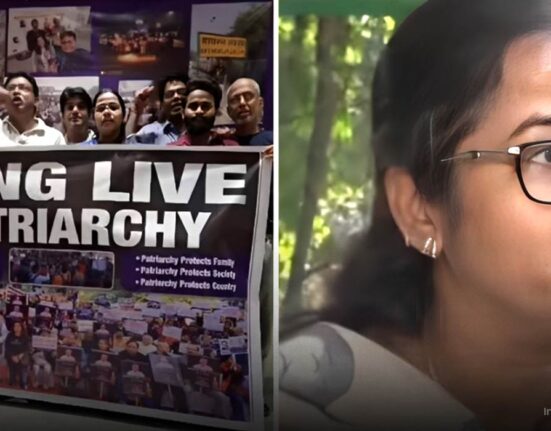
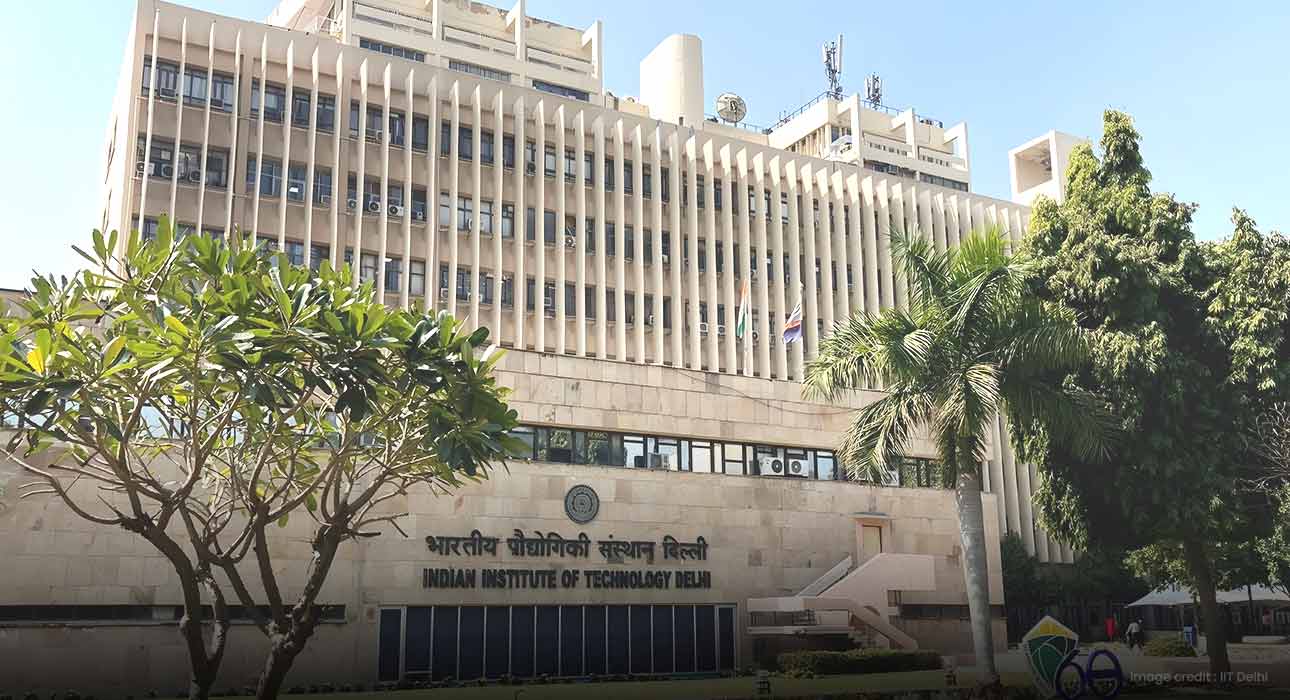
Student protests have taken over IIT Delhi following a second-year MSc student’s suicide on campus. The protesting students allege systemic negligence regarding mental health and stress in what is the 8th such death of an IIT Delhi student in three years. The protesters are particularly calling for a systemic addressing of mental health frameworks in IIT Delhi. This protest highlights a larger educational failure that has plagued India severely in the last decade.
Rishikesh Kumar took the extreme step following alleged mental health negligence by college authorities. Protesters also allege that the college refused to acknowledge his condition and continued to distress him by not handling his case in an empathetic and sensitive manner. He had also expressed his utter disappointment at not being good enough despite being academically gifted (NDTV). A five-member probe panel has been launched to conduct a thorough investigation with retired Delhi High Court Judge Mukta Gupta as chairperson, according to Hindustan Times.
The Crux of Protests
The protests highlight prolonged mental health negligence by IIT Delhi authorities, with this being the 8th such incident in three years. The call for systemic acknowledgement and repair of mental health infrastructure reveals a deeper distress among the youth regarding educational ignorance and oppression. The incident urges society, parents, elders, and official stakeholders to review the highly rigid laws and mindset that govern competitive education institutes like IIT Delhi, as well as family pressure to get into such institutes. It calls for a sensitive approach to educational as well as familial reform.
The Supreme Judgment
Rishikesh Kumar’s death highlights a larger failure by the Indian educational system to acknowledge and provide a healthy mental health framework that understands and adequately manages student stress and other grievances. In March 2025, a Supreme Court Bench had initiated a national task force to address rising student suicides and mental well-being. This followed petitions by parents of two IIT Delhi students who had passed away by suicide.
The Supreme Court Order had emphasised the moral duty of educational institutions to file an immediate FIR in case of a student suicide on campus. It also noted an absence of interventions to solve stressful challenges across academic campuses in India. This was highlighted by the fact that despite several deadline extensions, the survey by the National Task Force was submitted by only 3.5% of Higher Educational Institutions in a country with over 60,000 of them. (Supreme Court Observer)
The Court also noted increased academic pressure by higher educational institutions amid poor expectations, including strict attendance and a haphazard curriculum. The move by the country’s top court reflects an urgent intervention that goes beyond the classroom and education framework. It is calling for an empathetic and aware society that produces worthy systems to guide the future generation.
Read More: Supreme Court Sets Up Task Force for Student Mental Health
Fresh Guidelines For Educational Reform
A new set of guidelines by the Supreme Court in March 2026 aimed to weed out biased and dilapidated frameworks in most higher education institutions. The new guidelines aspire to reform social and structural lapses, including ragging, academic pressure and lack of supporting systems among much else. The order noted that the systemic rot in Higher Education Institutions was worrying and required an absolute reform.
This is a national-level attempt by the Apex Court to address and bring forth suitable and student-friendly reforms to end the chokehold of archaic and stressful practices on students. The focus of the National Task Force, as well as the Guidelines, is to assess and include structural and holistic measures to help students rather than burdening them.
Rishikesh Kumar’s tragic demise calls for an absolute review of the Indian Education System. As student protests and awareness grow against the oppressive silence that many educational institutions maintain, it is hoped that the focus on mental and holistic health regains centre stage in Indian society.
References +
- IIT-Delhi reconstitutes committee to probe MSc student’s death, protests enter 4th day- HT Times https://www.hindustantimes.com/cities/delhi-news/iitdelhi-reconstitutes-committee-to-probe-msc-student-s-suicide-protest-enters-4th-day-101787800923611.html
- “He said, ‘Mummy, I am hurting NDTV https://www.ndtv.com/india-news/he-said-mummy-i-am-hurting-mother-of-iit-delhi-student-rishikesh-kumar-who-died-by-suicide-11960737
- ANGER AT IIT DELHI -The Telegraph Online https://www.telegraphindia.com/india/iit-delhi-mental-health-row-students-protest-alleged-neglect-after-suicide-case-prnt/cid/2176769
- Supreme Court Confronts Student Suicide Epidemic -Supreme Court Observer
- Guidelines on Student Suicide Prevention – Supreme Court Observer
- Link to national task force survey https://ntf.education.gov.in