The World Health Organisation (WHO) has issued a fresh set of guidelines for treating obesity in children, including no surgery or weight-loss devices. The guidelines also highlight how care for obese children must be administered, particularly regarding mental health challenges that can arise from the stigma of being overweight. Obesity rates in children aged 5 to 19 have increased four times as much since 1990, with around 170 billion children living with obesity globally.
Obesity is extremely dangerous in children as it can increase the risk of non-communicable diseases like cardiovascular disease and type 2 diabetes in adulthood. The WHO said that treatment cannot be the only cure and urged Governments and communities to make healthy food and physical activity more accessible and affordable for children. In this light, Commissioner of Food and Drug Administration of Maharashtra, Tukaram Mundhe’s decision earlier this year to prevent the sale of packaged and processed foods inside school campuses seems like a green signal.
Growing Crisis of Child Obesity
In 2025, data by the National Family Health Survey (NFHS) revealed a 127 per cent increase in obese children under the age of five. Similarly, there was a 125 per cent increase in obesity in adolescent girls and a 288 per cent increase in obese or overweight adolescent boys. The report also stated that by 2030, over 27 million children and adolescents are expected to be living with obesity. This will reportedly contribute 11% to the global number. India’s growing mental health crisis categorises this as a health challenge that must be effectively researched and treated.
The WHO Guidelines
The guidelines include healthy food, physical activity and support to help children gradually change their unhealthy habits. It discourages pharmacological treatment, bariatric surgery or weight-management devices for children below 9 years of age. In the case of obese teenagers, anti-obesity medication may be prescribed when other treatments or lifestyle changes do not yield results. Bariatric surgery can also be considered only under strict conditions. The guidelines also state that particular care must be focused on addressing the mental health struggles that children experience from being overweight and obese.
The Psychological Implications
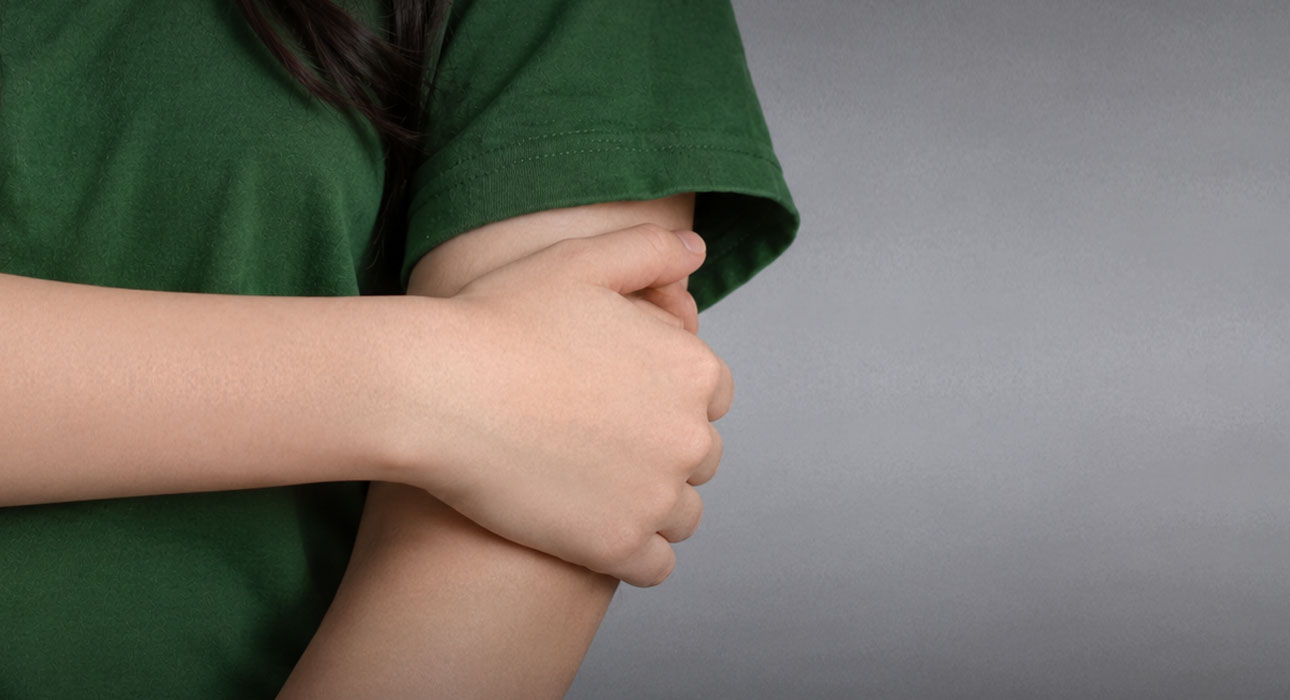
Children who are overweight and obese have been reported to face several consequences that have long-lasting and overwhelming reactions that can often continue into adulthood. The side effects of obesity often translate into ways that will affect their personality, lifestyle habits and viewpoint of the world. Many children who are overweight or obese find themselves on the receiving end of bullying by peers and even some adults like teachers and relatives, neighbours, etc. This can have a reverse impact in adulthood, where they choose to become bullies themselves. It can also turn into insecurity, inferiority complex, timid nature, low self-esteem and suicidal thoughts.
Other Mental Health Challenges
Studies have shown that children with a higher Body Mass Index (BMI) show signs of increased depression and anxiety, which can bring a host of mental and physical challenges in adulthood. It can create emotional dysregulation, which in turn affects everyday habits and moods, including heightened reactions to normal situations and relationships.
Low Self-Esteem is another side effect that can bring feelings of unworthiness, not belonging, negative self-image, and always thinking of oneself as less than others. This can also alter the way one perceives food and physical activity, including eating disorders and a dislike for sports or other exercises. The new culture of junk foods and fast-eating habits also links to worsening such conditions from a young age, which was not common for the older generation.
Conclusion
The responsibility lies with governments, educational institutes, parents and communities as a whole to address the psychological and negative impacts of new generational eating on young people. It is also important to create awareness among new parents and caregivers while also educating children on empathy and compassion.
Joking about obesity has been very normalised, but as times change, society needs to adapt to new ways of speaking about this condition. Young children can also be taught to uplift and encourage their peers who suffer from obesity instead of resorting to bullying and harassment. A sensitive approach has been researched to bring more change than a closed and hateful one.
References +
- https://timesofindia.indiatimes.com/health/surgery-weight-loss-devices-not-recommended-for-children-whos-new-obesity-guideline-focuses-on-treatment-mental-health-stigma-and-support-for-children-and-teens/articleshow/134817110.cms
- https://www.who.int/news/item/07-10-2026-who-issues-first-global-guidelines-on-child-and-adolescent-obesity
- https://www.who.int/publications/i/item/9789240123397
- https://www.unicef.org/india/press-releases/india-overweight-and-obesity-rising-across-all-ages