An incident in Karnataka has drawn attention towards the access and availability of mental health help for people with disability. Pradeep PK is a resident of Malleswaram living with hearing impairment. To find assistance, he downloaded the telemanas app. Telemanas is an initiative by the government of India for providing free and immediate mental health support 24/7. What he found was that the application had no provision for people with hearing impairment. It only allows making phone calls. There was no mention of any WhatsApp number or email that could provide psychological help on chat-based queries.
All this exercise in the hope of getting mental health support turned into frustration. What was more disappointing was that although there were several other mental health support platforms, both private and government-based, that provided support on call. He could find no alternative way of communication, such as chat-based, email support or messaging services. While a few chatbots were offering psychological support and services, they were not backed by a credible or well-known institution. In such cases, they cannot be relied upon for seeking services.
Read More: 10+ Lakh Calls: National Tele-Mental Health Programme Reaches Milestone
Rights of Persons with Disabilities
Pradeep stated that the Rights of Persons with disabilities act, 2016, has provided guidelines that public services must be disabled friendly, but these guidelines are very often ignored. Activists also point out that most speech-impaired people also have no resources for mental health support. This makes mental health support exclusive. This incident draws attention towards the accessibility of mental health services for the distinct minorities existing in society.
On the one hand, we are aiming to increase awareness about mental health; on the other hand, some parts of the aware population do not have access to these resources. VS Basavaraju, executive director (strategy) and founder secretary of Disability NGO’s alliance, stated that programs and initiatives by the government are executed on a mega scale, due to which minorities get excluded. Some people may not benefit from a one-size-fits-all approach. He pointed to how helplines put out huge numbers about people they’ve helped, but massively fail to provide support and counselling to people with disability.
The psychological perspective
This incident has highlighted a major issue of accessibility challenges faced by people with disabilities. The major concern is that accessibility is a challenge, not because of economic reasons or stereotypes, but because there are no resources that focus on this particular section of the community. Not only persons with disabilities but also senior citizens are a part of the population that has no proper resources.
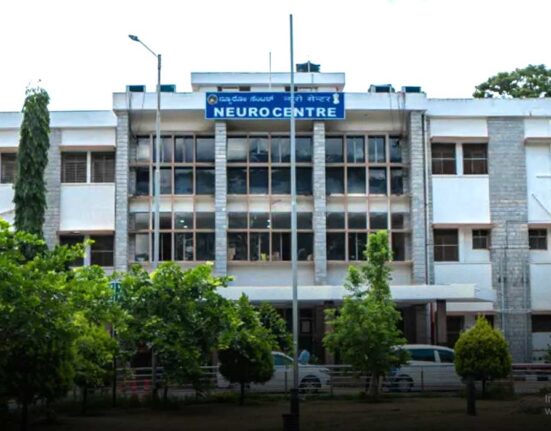
They may face additional challenges, such as senior citizens with stroke who are unable to speak and also unable to type into a chatbot. Despite being in great distress, they have no resources for mental health support. According to Naveen Kumar C, professor of psychiatry and head of community psychiatry at Nimhans, feedback from a person with disability has been received and is being considered.
References +
R, J. T. (2026, April 7). Calls by people with disability for mental health help in Karnataka fall on deaf ears. The Times of India. https://timesofindia.indiatimes.com/city/bengaluru/calls-by-people-with-disability-for-mental-health-help-in-karnataka-fall-on-deaf-ears/articleshow/130092761.cms