Don’t think your brain shuts down when you’re sleeping; actually, it has quite a bit to shift through and save to long-term memory when we’re asleep. Most of us do get the benefit of the role of sleep in our memory. But sleep does have another layer of complexity and danger when it’s interrupted: it comes up at the highest rates at sleep time when we’re trying to organise our day. Some research has even shown that sleep seizures could negatively impact memory consolidation. The article discusses that, in people with epilepsy, the same process used for memory enhancement at night can be exploited; it will both undermine good memory consolidation and potentially reinforce epilepsy networks.
Why is this important? Sleep disruption is known to be a characteristic symptom in many types of epilepsy, and memory and learning problems are commonly reported by those with epilepsy. In theory, improving understanding of sleep and how the seizure circuits interact with memory-supporting parts of the brain could lead to highly targeted treatment aimed at both alleviating seizures and supporting memory and learning functions, especially for children, their parents, and school personnel helping children whose memory/learning disabilities significantly disrupt life in and out of the home.
Read More: Impact of Sleep Disruptions on Preschoolers’ Emotions and Behaviour
Link between memory consolidation and sleep cycle
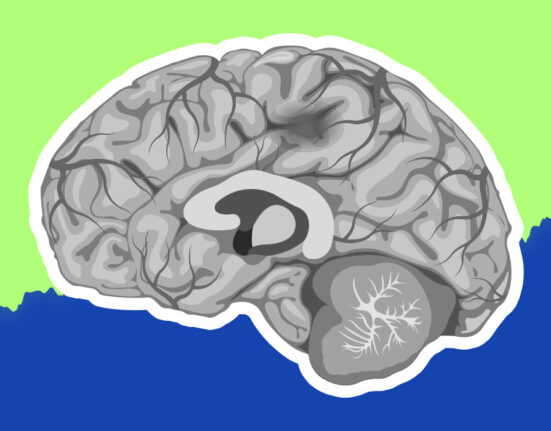
The fundamental concept here is sleep-dependent memory consolidation, that is, the means by which your brain ‘files away’ what has been stored throughout your wakeful time for easy future recall and how the best bits get enhanced for long-term storage via your dreams. The essential components include deep sleeping (non-REM), sometimes called slow-wave sleeping, and a particular sequence of ripples in the activity of brain centres such as the hippocampus, thalamus, and cerebral cortex. What actually happens is that centres in the brain seem to ‘replay’ bits of recent memories to consolidate them, kind of like practice makes perfect!
In epilepsy, normal repetition might be disturbed by the activity of seizures or shorter episodes of abnormal activity during sleep. So instead of the process of sleep cementing or even helping to form memory, we could have lost that cementing process or, in some people, potentially just cemented the loops of electrical activity, which can drive a seizure. This means that epilepsy is not only a seizure condition; it is, in fact, a memory condition that interferes with learning, remembering and normal utilisation of sleep.
Read More: The 5 Stages of Sleep Cycle
Experimental design
The research indicates how an effectively functioning alliance of the three-area network (also called the orbitofrontal-thalamic-hippocampal axis) during sleep is vital to the proper storage and integration of memories. “This type of experiment will typically involve having participants with an existing epilepsy condition who are undergoing brain activity mapping or a new, more powerful device called a ‘Neurochip’ capable of sensing brain activity across several brain areas during sleep,” notes Dr Stickgoldberg. Participants are prompted to memorise a set of stimuli, for instance, where particular images are located within an environment, or various sets of word lists, and their retention is evaluated after awakening.
Another set of studies, often conducted in epilepsy monitoring units or separate sleep labs, analyses the occurrence of and changes in:
- EEG during various sleep stages (primarily slow-wave sleep)
- Seizures and interictal epileptiform discharges occurring during sleep
- Changes in performance on memory tasks from before-to-after sleep as compared to during periods of wakefulness
Some laboratories, including groups cited in the recent work, have now moved on to testing interventions, such as closed-loop brain stimulation that directly pulses activity into memory areas to align sleep-related activity between memory domains and improve memory consolidation in people with epilepsy. Groups like the Mayo Clinic are analysing altered sleep signatures that occur the night following seizures to determine if the brain may treat seizures and memory consolidation in similar ways.
Read More: AI Detects Early Epilepsy Signals in EEG Data Before Seizures Appear
Evidence of memory consolidation during sleep
Throughout these studies, some clear trends stand out. The first is that many people who have epilepsy benefit from sleep in terms of their memory, particularly when they obtain a reasonable quantity of slow-wave sleep. In one pilot study in adults with focal epilepsy, memory retrieval rates were far better in the time soon after a night including a snooze of about 84% versus a similarly significant amount of wakefulness of about 63%, and those levels ended up connected to the depth of snooze acquired. In youngsters, similar tasks found that sleep would benefit memory, also on account of snoozing, in ways analogous to healthy children.
However, sleep stage activity and intermittent electrical activity in the brain can offset this gain. A study of people with nocturnal seizures demonstrated a substantial memory performance decline following a seizure compared to sleep stages when there was no seizure activity, implying disruption of the memory process that supports solidification of memories overnight. For some of the individuals with very low sleep-seizure activity, the attempt to boost memory with the cueing overnight had no effect or made memory for reactivated items slightly worse, as if to say the seizure and stimulation combined to mix up the memory.
Even recent research highlighted in Neuroscience News and reported by the Mayo Clinic provides an additional explanation: following a seizure, the brain can shift to long, non-REM sleep that is “more potent in affected brain areas,” which can have the effect of consolidating the seizure network the same way it “tends to solidify normal memories.” Essentially, it is thought that the very processes that solidify learning of normal experiences are in many ways turned to firming up the path of a pathological seizure.
Read More: How Is Technology Redefining Human Memory?
Looking through the author’s lens
Overall, the researchers interpret these results to demonstrate that sleep is still a potent weapon for memory in epilepsy. It’s just a rather precarious weapon, one easily undermined by the aberrant electrical activity of a brain with a seizure disorder. They note that slow-wave sleep appears especially potent as both a verbal and visual consolidator and that guarding against erosion of sleep at that stage will be important to preserve cognition. Nonetheless, the nocturnal seizure events, including, apparently, interictal discharges, stand out as an important therapeutic target because they apparently directly affect the process of consolidation that depends on sleep.
The big picture coming from the new “seizure as memory” studies is that the brain’s plasticity systems are amoral; they will hardwire anything that’s highly activated repeatedly. “Whether you are driving in a car repeatedly, or doing the rote memorisation for a final exam, or having repeated seizure events, the plasticity mechanisms are all the same,” says Binder. This offers a striking clinical takeaway. “If they can usefully, and safely, intervene in the time after a seizure…(either with the timing of drugs or through devices that stimulate the brain or behaviors), maybe you can block or reduce plasticity in these unhealthy networks and strengthen other networks,” suggests Binder. Additional case-control studies, particularly in children, are “crucial for understanding what kind of plasticity mechanisms are involved, how the plasticity interacts with behavior, and for finding clinical strategies to not just reduce seizures but to save learning.”
Conclusion
Collectively, this body of work suggests a complex relationship between sleep, memory, and epilepsy. Normally, sleep, and specifically slow-wave sleep, promotes the stabilisation and strengthening of memories in the brain, and this remains true in many epileptic individuals where there is little disruption to the sleep cycle. This positive effect can be disrupted or reversed by seizures or interictal epileptiform discharges occurring during sleep, which may impair retention and, potentially, strengthen seizure pathways through the same consolidation process normally associated with learning.
But the main message is that sleep enhancement, improving sleep quality and damping down abnormal nighttime brain activity, is not just to suppress seizures; it’s also to preserve memory and cognitive health, and that by delineating specific underlying brain circuits, hippocampus, orbitofrontal cortex, and thalamus, and identifying how they coordinate during sleep, it will now be possible to design even more powerful treatments, perhaps, with closed-loop stimulation, treatments to strengthen proper sleep-based memory consolidation while at the same time inhibiting seizures.
References +
- Neuroscience News. (2025c, April 27). Neuroscience News Science Magazine – Research Articles – Psychology Neurology Brains AI. https://neurosciencenews.com/s%E2%80%A6-epilepsy-neuroscience-31138/
- Professional, C. C. M. (2025, December 19). Sleep. Cleveland Clinic. https://my.clevelandclinic.org/health/body/12148-sleep-basics