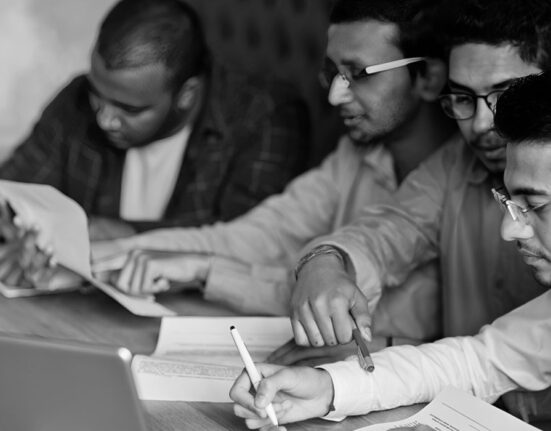
For many years, the typical dream of an Indian family was simple: get good grades, secure a stable job, earn a salary every month and live a safe and respected life. A government job or a well-settled private job was seen as the ultimate success. Safety came first, and risks were avoided. But today, there is a big change happening around us. Young Indians are breaking away from this traditional mindset and choosing a different path to entrepreneurship.
More and more young people are starting their own companies, building new ideas, and accepting challenges instead of following a The question is: What is driving Indian youth to take these risks? Why are they turning away from stability and stepping into uncertain but exciting startup life? The answer lies in a mix of changing opportunities, new confidence and a desire for meaningful success.
Moving Away from the “Safe Job” Belief
In the past times having a job meant security. Parents often pushed their children to choose careers like engineering, teaching, banking, or medicine. These jobs were reliable and respected. However, today’s youth see the world differently:
- Even high-paying jobs can come with stress and job insecurity.
- Corporate layoffs and competition are common.
- Many young people feel bored or restricted in fixed roles.
So they ask themselves: If the future is uncertain anyway, why not work on something you truly care about? This shift in thinking is one of the biggest reasons young Indians are choosing start-ups over traditional jobs.
Technology Has Opened New Doors
This generation has one huge advantage, one of which is technology. With access to the internet, social media apps and gadgets like smartphones, starting a business has become a lot easier. Young people can now:
- Learn new skills online for free
- Sell products through Instagram or online stores
- Promote services through social media
- Work from anywhere and reach global customers
Earlier, business was something only rich or highly experienced people could start. In today’s times, even a student from a small town can build a startup from a hostel room or in his or her village with access to the internet. Technology has removed many barriers and given the youth the courage to try something new. And come to the marketing field.
Read More: Four Ways Social Media Can Be Good for Mental Health
Inspiration from Successful Startups
India is now full of inspiring success stories. The founders of companies like Flipkart, Zomato, Ola, Byju’s, Nykaa, Zepto, and Mamaearth were not born into large business families. They started with simple ideas and big dreams. Watching them succeed gives hope to millions of other young Indians. Media, news channels, and shows like Shark Tank India have made startups look exciting and respectable. Young people now see entrepreneurship as something cool, modern, and worth trying the things
Government and Financial Support
In earlier times, the biggest challenge for new businesses was money and financial help. Today, the situation is improving and doing more compared to before, for example
- Government programs like Startup India and Make in India support new founders.
- Banks and private investors are more willing to fund young entrepreneurs.
- Many colleges now have incubation centres where students get mentoring and seed funding.
This financial support decreases the fear of failure and makes youth believe that their ideas matter. Modern young people are no longer content with receiving a high paycheck. They desire something meaningful from their employment. The autonomy to choose their own paths to pursue professions aligned with their passions and to create something original that genuinely reflects themselves and their ideas. They seek success that carries significance and contributes positively to the community.
For example, many young people are starting initiatives like mental health apps to help students deal with stress, small businesses that promote eco-friendly products, or online platforms that support local craftsmen and give visibility to traditional skills. These kinds of ideas show that young Indians do not want to work only for money; they want their work to make lives better, including their own. Personal fulfilment has become just as important as financial stability.
Influence of Friends and Society
Social influence also contributes. This time in a beneficial way. In the past, students vied for grades and the most secure employment. Nowadays, they look up to peers who’re courageous enough to launch new ventures. When someone in their circle takes a chance or risks and succeeds, it motivates others. Entrepreneurship has become a symbol of ambition and confidence.
Read More: Mamaearth Co-founder’s Tips for Keeping Mental Peace
Changing Role of Families
Indian parents are increasingly recognising that happiness should take priority over reputation for their children. Numerous parents are now willing to allow their children to try out startups for a year before committing to a traditional job. They have observed the evolving employment landscape. Understand that: Abilities are more important than job designations. Innovation holds significance. The globe presently prizes creativity. This emotional support plays a big role in helping youth take risks without fear.
Social Media and Visibility
Social media provides youth with a platform. It enables them to:
- Show their talent
- Develop a following
- Connect directly with customers
A baker, an artist, a fashion designer. Anyone has the potential to start a business with one viral post. Experiencing acknowledgement boosts their confidence to advance further. Social media also shows a glamorous side of startups. Even though reality can be tough, visibility motivates youth to dream big.
Fear of Missing Out on New Opportunities
Each year, fresh sectors emerge: Artificial Intelligence, Cybersecurity, Influencer marketing, E-commerce, Renewable energy, Ed-tech, Gaming and animation. Young individuals don’t wish to remain confined to sectors as the world progresses. They sense “This moment is ours. If we don’t make an effort now, the opportunity might not come back.” This fear of missing out (FOMO) pushes them to take sharp turns in life.
Challenges Behind the Scenes
Nevertheless, the journey of entrepreneurship is not invariably bright. It entails challenges:
- The majority of startups do not succeed in their first year.
- Income can be unpredictable.
- Work pressure is very high compared to before
- It becomes challenging to maintain a balance in life.
- Mental health can be impacted by failure in anything
Many young founders realise that passion alone is not enough; they need strong planning, patience, and resilience. But still they choose to fight for their dreams. That determination is what makes this generation special.
Conclusion
The move away from opting for employment toward launching new ventures represents more than merely a fresh career pattern. It reflects a transformation in the mindset of young Indians regarding their futures. They currently trust in their capacity to generate their own opportunities rather than waiting for opportunities to be handed to them. Supported by technology, motivational success tales, funding mechanisms and supportive families, the youth of today feel empowered to make courageous advances
The move away from opting for employment toward launching new ventures represents more than merely a fresh career pattern. It reflects a transformation in the mindset of young Indians regarding their futures. They currently trust in their capacity to generate their own opportunities rather than waiting for opportunities to be handed to them. Supported by technology, motivational success tales, funding mechanisms and supportive families, the youth of today feel empowered to make courageous advances. They do not desire a life where each day blends into the next.
This is exactly what the youth of India are doing today. They are coming forward with fresh ideas that are naive, and they work on these ideas and strong determination. They are saying that they do not want to settle for just any job; they want to contribute something valuable to society and make a real difference, not follow the generational things they think are different. With this fearless attitude and strong belief in themselves, young entrepreneurs are helping shape a brighter and more dynamic future for our country.
References +
Gopala, K. N., & Shekhar, B. (2024). Youth entrepreneurship in India: Driving economic growth and social inclusion – A study. Educational Administration: Theory and Practice, 30(11), 1926–1930.
Institute for Social and Economic Change. (2021). Indian startup ecosystem: Analysing investment concentration and performance of government programmes (Working Paper No. 514).
Jain, M., Machhi, & Vidani, [first initials]. (2015). Startups and Unicorns as Engines of Economic Growth for India. International Journal of Multidisciplinary Approaches (IJMA).
Kampany, “Exploring India’s Dynamic Start-up Ecosystem”. (2024, December). KPMG Report: Exploring India’s dynamic Start-up Ecosystem.
Mahavidhyalaya, R. (2025). A study on the role of startups in employment generation in India. International Journal of Innovative Research and Intelligent Technology, (IJIRT183211).
Press Information Bureau. (2025, January 15). Nine years of Startup India: Recognised startups generate 16.6 lakh direct jobs (2016–2024). Government of India.
Press Information Bureau. (2025, February 1). India’s Startup Revolution: Growth of DPIIT-recognised startups to 157,706 as of 31 Dec 2024. Government of India.
Resperal. (2025, April 7). The rise of India’s startup culture: How young entrepreneurs are driving economic growth.