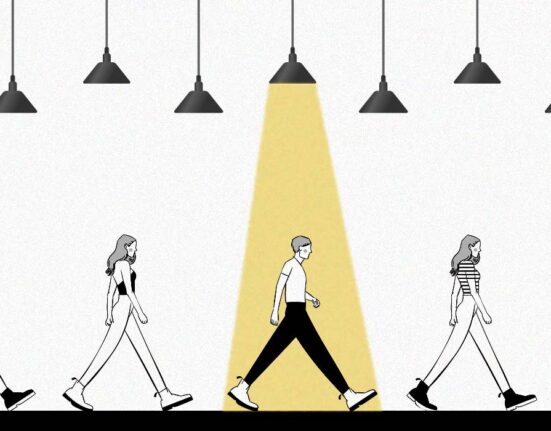
Do you ever feel sudden anxiety, palpitations, unexplainable feelings, and nausea because you arrived at a toxic place where your experience was not so good? Your thoughts are heavy. Many people experience this emotion at work. Deadlines are common. Stress is normal. However, persistent contempt, blame, and terror are not typical. Mental health is gradually harmed by a poisonous culture. It depletes vitality and erodes self-assurance. Emotional distress eventually finds its way home. Families are also affected. A workplace ought to foster both development and security. Rather, tension is accepted as usual and quiet is anticipated in toxic cultures. Although it is frequently invisible, the cost is quite substantial.
Read More: How Workplace Loneliness Impacts Mental Health
A toxic culture: what is it?
An atmosphere that tolerates undesirable behaviour is known as a toxic culture. It could consist of Continuous critique, Insufficient regard, Blame and gossip, Ineffective communication, unrealistic Demands and no gratitude. According to research, emotional distress is exacerbated by unjust treatment and subpar leadership (American Psychological Association [APA], 2023). Employees lose trust when they feel unsafe. There is less support. Voices are disregarded. People eventually quit raising their voices.
Burnout and Emotional Tiredness
Burnout takes time to develop. It develops gradually. According to the World Health Organisation (2019), burning out is a condition in which an employee feels mentally drained and exhausted. Individuals who are mentally disturbed show non serious attitude toward work because of their mental condition. They feel mentally disturbed and lack motivation. Although an effort is made, gratitude is lacking. Rest is not respected, although long hours are expected. High levels of workplace conflict raise burnout, according to a study published in the Journal of Occupational Health Psychology (Lee & Ashforth, 1996). Every day, emotional energy is depleted. Motivation quickly wanes.
Read More: Corporate Workplace Burnout in India and What to do about it?
Fear and Anxiety All the Time
Uncertainty is a result of toxic cultures. Regulations can change suddenly. It’s common to blame. This setting makes people more anxious. Stress causes the body to react as though it were in danger. The heart rate increases. Sleep is disrupted. Focus wanes. According to Harvard Health Publishing (2020), prolonged stress can change into anxiety, and gradually it takes the shape of panic attacks and severe anxiety. Individuals who hide their anxiety can suffer from severe mental conditions and develop a fear of them in the long run.
Lack of confidence and self-worth
Words count. Tone is important. Feedback is important. Criticism is frequently severe and public in toxic societies. Appreciation is uncommon. According to Verywell Mind (Morin, 2022), people get hurt and doubt their worth when they face constant rejection and criticism. A worker could start to doubt their own abilities. Confidence declines. Creativity declines. Even in cases where the environment is harmful, the person may eventually come to believe that the issue is internal.
Detachment from emotions and sadness
Depression can be brought on by ongoing stress. Energy is low. The interest wanes. There is little hope. According to the National Institute of Mental Health (2023), depression is likely to get severe due to constant stress and tension. There is no reprieve from the daily tension caused by a hazardous atmosphere. People may distance themselves from their coworkers. It is exhausting to engage with others. Grins are forced. Emotional numbness replaces work satisfaction.
Physical Health is also harmed
Physical and mental health depend on each other. Headaches can get worse. Issues with the stomach could arise. Sleep patterns are disturbed. According to the Mayo Clinic (2022), prolonged stress can damage the immune system and disturb the blood flow in the body. What mind experiences are carried by the body? Sick leaves can emerge. Productivity might decline. Performance is evaluated, but the underlying problem is frequently disregarded.
Effect on Personal Life and Relationships
Stress is not limited to the workplace. It makes its way home. Being irritable becomes worse. Patience wanes. Mood changes may be noticed by loved ones. Workplace stress has an impact on personal well-being and family life, according to Healthline (West, 2021). Connection is more difficult when one is emotionally spent. Negative occurrences are replayed in the mind instead of relaxation. Peace becomes scarce. Relationships may erode over time.
Read More: Mental Load in Relationships: What it is and Why it’s often invisible
The Reasons People Remain
Why do people stick around if the culture is bad? There are actual financial needs. There is a profound fear of change. Opportunities could appear to be scarce. Others wish for better times. Others have a sense of loyalty to the company. Sometimes, harmful behaviour no longer feels strange because it has become commonplace. According to research, job insecurity makes people more tolerant of ill circumstances (Sverke et al., 2002). Silence might feel safer when stability is questionable. However, the psychological cost is going up.
Warning Indications That Must Not Be Disregarded
It’s critical to identify early indicators. Typical signals consist of:
- Feeling anxious because of work
- Constant overthinking and jumbled thoughts prevent sleep
- Regular headaches or exhaustion
- Loss of self-assurance
- Lack of emotion
If witnessed these symptoms, one must treat them immediately and not ignore them.
Actions for Defence and Recovery
Self-awareness is the first step to changing oneself. Healthy actions could consist of clearly defining borders, seeking assistance from reliable individuals, recording detrimental occurrences, speaking with a mental health specialist, examining potential career paths and therapy sessions with trained professionals can help people get better and feel emotionally well.
The American Psychological Association (2023) asserts that supportive managers and supervisors can help employees work well in an open environment without unnecessary constraints. Establishing the same values for everyone to be respected and valued can help create Organisationsa positive work culture. Organisations need to accept accountability. Workers should be treated with respect and safety.
Read More: Stress Management Strategies for Young Professionals
Creating Healthier Workplaces
Healthy cultures prioritise Civil dialogue, just policies, thank you for your effort, Explicit expectations and Support for mental health. Trust increases when leaders demonstrate empathy. Engagement increases when voices are heard. Mental health shouldn’t be harmed by work. It ought to encourage development and direction.
In conclusion, your health is important
Emotional power is gradually drained by a toxic culture. Individuals may feel emotionally distressed and mentally unwell. It also harms their physical health. Although the expense is substantial, it is frequently concealed. Power comes from awareness. Healing is created by support. Positivity at the workplace is crucial for a healthy work environment. Every employee deserves to be a part of a team where they feel appreciated and valued. Toxic free workplace is the right of every employee to perform well. This does not compromise their work, but rather provides them with an ideal situation to give their best.
References +
American Psychological Association. (2023). Work and well-being survey report. Harvard Health Publishing. (2020). Understanding the stress response.
Healthline. West, H. (2021). How job stress affects your health.
Lee, R. T., & Ashforth, B. E. (1996). A meta-analytic examination of burnout. Journal of Occupational Health Psychology, 1(2), 123–133.
Mayo Clinic. (2022). Chronic stress and its health effects.
Morin, A. (2022). How criticism affects self-esteem. Verywell Mind.
National Institute of Mental Health. (2023). Depression overview.
Sverke, M., Hellgren, J., & Näswall, K. (2002). No security: A meta-analysis on job insecurity. Journal of Occupational Health Psychology, 7(3), 242–264.
World Health Organisation. (2019). Burn-out an occupational phenomenon.