What if someone could remember the past but was unable to create new memories? That is a situation explored in the movie by Christopher Nolan called Memento. In the movie, through the character of Leonard Shelby, that situation is explored. He is unable to remember new experiences like any other person, so he records information by using handwritten notes and tattoos on his body.
And the movie provides the viewer with an experience of how it feels to have a memory in pieces, restarting things and having a story not told from beginning to end, and not a clear view of who is who, as the movie plays with the viewer’s memory as well. Taking it from a study perspective, particularly in the field of psychology, Memento provides an opportunity to explore important aspects of memory. Such as anterograde amnesia, memory formation, false and reconstructed memories, autobiographical identity, how memory can be built with external aids and decision-making.
The Formation of Memories and Anterograde Amnesia
Through research, it is known that what is recorded in memory is not a copy of reality. In fact, the multiple processes that compose the memory mechanism can influence the memory being formed, as well as new information, expectations and goals (Straude, 2012).
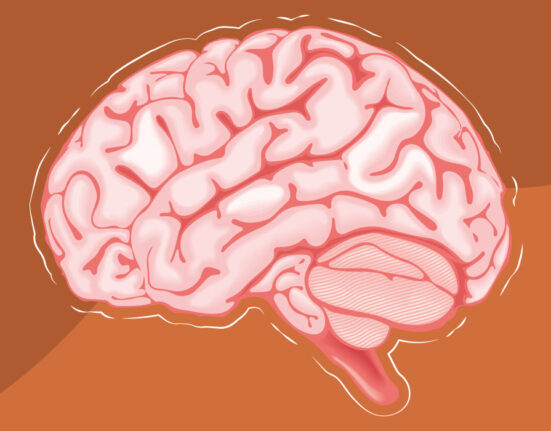
Going back to Memento, what happened to Leonard? It can be said that it is a form of anterograde amnesia because of the difficulty forming and retaining new memories after the injury that he goes through. By researching amnesia, research has shown that memory is not only one system. In a review, it was explained that the medial temporal lobe structures are essential for the formation of declarative memories (Squire and Wixted, 2011).
Squire and Zola (1996) did a review which showed that damage to the hippocampal formation could produce severe anterograde amnesia, but there can be perceptual and motor learning abilities intact. That marks a difference between declarative memory and non-declarative memory. That situation can be seen in Leonard. His difficulty comes from creating new memories, not from learning or cognitive aspects.
As memory is not the result of only one mechanism, it also involves several stages. And every stage of the formation of memories can also have errors. The stages of memory are encoding, consolidation and retrieval. The way it works is that the initial process begins with encoding; then, through consolidation, memories stabilise, and finally that information gets related to previous information stored in the memory (Straube, 2012).
Unreliable Recall of Memories
One of the ideas shown during Memento is that memory is a construction rather than a perfect reproduction of past events. But why? Straube (2012) develops this idea in the process of memory and the mistakes that can cause it. For instance, information found after an event can change the previous memory, and retrieval can involve memory distortions.
With that information in mind, there can be an understanding of how the unreliable information affects Leonard. His memory comes from notes, pictures, tattoos that provide him with the information his memory can’t retain. But those external aids can be altered by him or other people, changing his view of the situation with not reliable information. And it can even be affected by internal memory. Lepsius (2026) argues that memory potentially could prioritise coherence of the information over factual accuracy.
That’s why external information can impact internal memory. Research found that people who rely on external sources of information could be vulnerable to manipulation. In Risko et al. (2019) research, they found in an experiment that people failed to notice changes made to external memory stores. Also, manipulated information could become part of the memory.
In the movie, Leonard builds his recent memory with notes and files, photographs, tattoos and what others tell him about their interactions. And his memory and actions depend on how accurately he can take notes of recent events or people. But the movie challenges the accuracy of those external pieces of his memory and whether those methods can be trustworthy due to external manipulation.
Episodic Memory and The Process of Decision-Making
There is a psychological phenomenon called cognitive offloading. This particular phenomenon refers to how people use external objects or technologies to reduce the amount of work put into biological memory (Risko et al., 2019). Like Leonard’s notes in his pictures with the names and details of people he met after his neurological lesion, and his map with pictures and notes of places he has gone, he built an external memory system.
However, an elaborated memory system has more purpose than just remembering. Leonard is an example of that. In his research during the movie, that system helps him make decisions about what his next steps are going to be. A picture with notes on who to trust and, after changing his original behaviour towards that person, based on trust in his memory system.
That’s why research found that episodic memory has an importance for flexible decisions. In one study that used five experiments, people used their detailed episodic memories when making decisions, especially when they couldn’t predict which information would be important afterwards (Nicholas and Mattar, 2026). This is where episodic memory becomes relevant, providing the person with details from previous experiences that could guide the person’s decision.
Looking back to Leonard’s situation, since he doesn’t have a memory reference to look for, this system is replaced by external aids that constitute his memory system. But again, its function is not only to remember or be a collection of his actions and a day-by-day registry. Instead, the note-taking, the photography, all of that influences what decisions he is going to make every moment of the day, and the movie shows how memory or the build of it, not only affects how someone sees what happened but the decisions after it and the subsequent behaviour.
Memory and Personal Identity
Memory can also contribute to how self-identity is built. Autobiographical memory helps people to understand who they are and how the present is related to the past. The memories of personal experiences help organise a person’s understanding of life and mark a continuity between different moments lived by the person (Markowitsch, 2013).
Autobiographical memory has three broad functions: directive, self and social (Vranic et al., 2018). The functions of each one of them are: the self contributes to maintaining a sense of identity, and the directive allows previous experiences to relate to present and future behaviour.
But maybe one of the most complex ones, and that also adds the dimension of adding to the memory the function to socialise, is the social function of autobiographical memory. According to Vranic et al. (2018), the social function can have two purposes: the maintaining of relationships and the development of new relationships. Not only about remembering loved ones, but also remembering shared experiences that help bond with others.
Inside Memento, there can be seen how memory impacts autobiographical memory. Leonard’s tattoos or notes don’t tell him what happened or who he is. It just tells him who to trust or where to go. That fragmented information creates tension between who he thinks he is and what the outside information shows him he is.
Also, by not having recent memories, he doesn’t remember the people he met after his memory loss. So his relationships suffer because he doesn’t remember telling one fact over and over or important aspects of each person, relying only on notes that can be influenced by one action that might not reflect the relationship with the person accurately.
Conclusion
Memory tends to be considered just as a way to store information in the mind. But Memento challenges that conception of memory. Through the formation of memories, the relation between identity and decision-making is also challenged; that preconceived image of the memory is challenged. Leonard’s notes, tattoos, and files show how external aids can support and alter memory.
However, when these aids contain inaccurate information, they can distort his recall of the past and influence his present and future decisions. As research points out, remembering can involve reconstruction and distortion (Squire and Wixted, 2011). External information can also affect identity. Memory can tell someone who that person is. However, external information can easily alter memory, which is an important factor to consider. Like Leonard, with his constant decision-making about what he believes about his past and ultimately about himself.
References +
- Risko, E. F., Kelly, M. O., Patel, P., & Gaspar, C. (2019). Offloading memory leaves us vulnerable to memory manipulation. Cognition, 191, 103954. https://doi.org/10.1016/j.cognition.2019.04.023
- Squire, L. R., & Wixted, J. T. (2011). The cognitive neuroscience of human memory since H.M. Annual Review of Neuroscience, 34, 259–288. https://doi.org/10.1146/annurev-neuro-061010- 113720
- Squire, L. R., & Zola, S. M. (1996). Structure and function of declarative and nondeclarative memory systems. Proceedings of the National Academy of Sciences, 93(24), 13515–13522. https://doi.org/10.1073/pnas.93.24.13515
- Straube, B. (2012). An overview of the neuro-cognitive processes involved in the encoding, consolidation, and retrieval of true and false memories. Behavioural and Brain Functions, 8, 35. https://doi.org/10.1186/1744-9081-8-35
- Markowitsch, H. J. (2013). Memory and self–neuroscientific landscapes. ISRN Neuroscience, 2013, Article 176027. https://doi.org/10.1155/2013/176027
- Vranić, A., Jelić, M., & Tonković, M. (2018). Functions of autobiographical memory in younger and older adults. Frontiers in Psychology, 9, 219. https://doi.org/10.3389/fpsyg.2018.00219
- Nicholas, J., & Mattar, M. G. (2026). Episodic memory facilitates flexible decision-making via access to detailed events. Nature Human Behaviour, 10, 760–776. https://doi.org/10.1038/s41562-025- 02383-3
- Lepsius, M. (2026). The brain edits the past: Neural systems of memory reconstruction and self stability. New Ideas in Psychology, 80, 101221. https://doi.org/10.1016/j.newideapsych.2025.101221