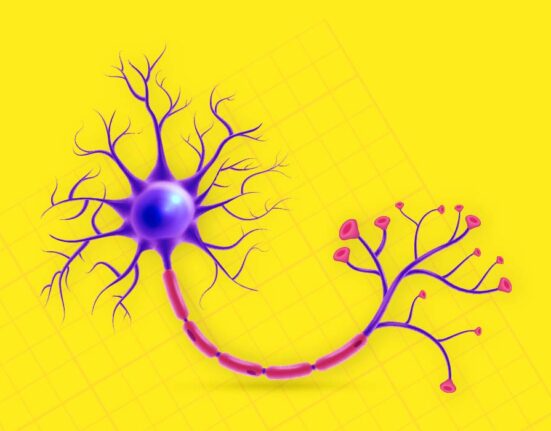
Human pleasure is usually regarded as a simple physical sensation. What lies below the surface, however, is a complex electrical storm. To understand neuro-receptivity, one must really go into and examine the brain’s design: go beyond physical acts and look at the chemical messengers that dictate how an individual feels. When studying masturbation and orgasm, the brain does not merely react; it orchestrates a massive release of neurochemicals that light up the most ancient parts of the human mind.
According to psychologists, masturbation is defined as the intentional self-stimulation of the genital organs, often serving as a primary method for individuals to explore their own sexual response and manage tension (Levin, 2003). In contrast, an orgasm is a complex physiological reflex. It is a brief, intense peak of physical and emotional pleasure that involves a massive discharge of accumulated neuromuscular tension (Safron, 2016). Thus, masturbation serves as the pathway, and orgasm is the destination.
Read More: Masturbation as Stress Relief: Coping Mechanism or Emotional Escape?
The Age of Expectation, the Era of Dopamine Boost
Pleasure starts much earlier than; in fact, it begins with desire. Within the brain, this is localised to the ventral tegmental area (VTA) and the nucleus accumbens, which form the heart of the brain’s reward system. Importantly, dopamine here does not produce pleasure directly; rather, it acts as the craving molecule that motivates the pursuit of reward (Berridge & Robinson, 1998).
Dopamine levels peak in the early stages of masturbation, sparking focused “wanting.” As this anticipation grows, the brain’s prefrontal cortex, responsible for logical thought, quiets down, allowing the limbic system to take over, a crucial shift from analysis to sensory experience (Kringelbach, 2005).
Read More: Sexual Desires and Its Impact on Mental Health
The Reward Cycle: Liking, Wanting, Learning
This pathway connects the VTA to the nucleus accumbens. For the user to engage in self-stimulation, this pathway is flooded with signals. In the field of neuroscience, this phenomenon is termed the pleasure cycle, comprising liking, wanting and learning (Berridge & Kringelbach, 2015).
- Liking: The physical sensation that occurs following the activity.
- Wanting: The desire to continue the activity.
- Learning: The brain recognises the stimulus as a subsequent reinforcer.
With increased physical exertion, the amygdala, which normally responds to fear and anxiety, actually decreases in activity. Because of this, pleasure often temporarily reduces stress and social inhibition (Safron, 2016).
The Orgasm: Neurochemical Explosion
The explosion is not only physical but also mental. At its peak, the lateral orbitofrontal cortex ( the part of the brain that governs self-discipline and reasoning) shuts down nearly completely. For this reason, people describe many times a “loss of self” when experiencing peak pleasure (Georgiadis et al., 2006). And as the prefrontal cortex darkens, the hypothalamus goes into overdrive. This chemical is the reason for the feelings of emotional bonding and relaxation that follow the act.
At the same time, the brain releases endorphins and enkephalins (they are small, protein-like molecules that the body produces naturally to suppress pain and induce a state of intense well-being), which are the body’s natural analgesics. These chemicals, which create a morphine-like effect on the body, evoke euphoria and numb pain physiologically (Komisaruk & Whipple, 2005).
The Cerebellum and Mechanical Control
Pleasure isn’t only a function of chemicals but is also a function of rhythm. In masturbation, the cerebellum, the part of the brain situated behind the brainstem, takes enormous action. The cerebellum, well-known for its contributions to gross motor control and balance, also supports rhythmic movements involved with sex. It has been claimed that the cerebellum also processes the timing of rewards, which creates the ‘build-up’ effect leading to reward stimulation (Holstege et al., 2003).
The action of the motor cortex and the sensory cortex is responsible for processing each touch and amplifying it. As the signals travel from the peripheral nervous system, ascending the spinal cord, the brain computes a map of the sensation, tuning even its processing power to areas where it activates.
The Resolution: The Prolactin Crash and Sleep
Following the climax, the brain shifts into the resolution phase. Dopamine levels drop steeply, and then the brain returns to normal, with a rush of prolactin. Prolactin is a hormone that signals satiation (Satiation is the state of being satisfied to the point where no more of an activity or substance is desired). It tells the brain “We are done,” and essentially resets the reward system. This is why we often have a period of feeling detached or even irritated by more stimulating stimuli: ‘refractory period’ (Exton et al., 2001).
This chemical shift also explains the acute onset of sleepiness. Furthermore, the combined effects of oxytocin, endorphins, and prolactin lower cortisol (the stress hormone), allowing the nervous system to recover from orgasm’s intense energy expenditure (Levin, 2003).
The Modulators – The Experience Is Varied
While the basic neural circuit is consistent across individuals, personal factors modulate how pleasure is experienced.
- Hormonal states: Differences in testosterone and estrogen serve as “volume knobs.” Low levels can lead to reduced “incentive salience”- a spark that transforms a neutral object or action into something we intensely desire, where the nucleus accumbens does not produce enough dopamine (Komisaruk & Whipple, 2005).
- Psychological Health: The amygdala remains overactive in cases of high anxiety. If the amygdala is kept “on”, it prevents the lateral orbitofrontal cortex from shutting down, and one cannot achieve orgasm (Georgiadis et al., 2006).
- Neurological Conditions: Medications such as SSRIs raise serotonin, which can establish a “neural ceiling,” which refers to a state where the brain’s reward and arousal systems are suppressed by external factors, preventing them from reaching their natural peak intensity, in turn suppressing the release of dopamine and oxytocin, making the climax harder to reach (Levin, 2003).
Gender Neutrality in Brain Response
Interestingly, brain imaging studies reveal that human beings share remarkably similar neural responses to pleasure. Whether the physical organs are involved in it is different, but the brain’s “pleasure centres” react in nearly the same ways. So both human beings display the same deactivated prefrontal cortex and the same massive activation of the reward pathways (Huynh et al., 2013). This suggests that while the “hardware” may vary, the brain’s “software” for experiencing pleasure is a universal human feature.
Long-Term Effects on Brain Plasticity
The brain’s plasticity means it adapts based on repeated experience; consistent stimulation of reward pathways can hardwire neural connections. However, overstimulation poses a risk of desensitisation, where the brain reduces dopamine receptors to protect itself, leading to diminished pleasure sensitivity (Volkow et al., 2011). Therefore, maintaining a balance in pleasure sensitivity is essential for mental functionality and environmental responsiveness.
Conclusion
In summary, masturbation and orgasm engage a delicate interplay between the brain’s oldest and newest regions, mediated by a complex chemical symphony involving dopamine, oxytocin, and natural analgesics. These processes evolved not only to facilitate reproduction but also to regulate stress, emotional well-being, and sensory feedback. Understanding this neuroscience deepens appreciation of pleasure as a fundamental biological system shaped over hundreds of thousands of years.
References +
Berridge, K. C., & Kringelbach, M. L. (2015). Pleasure systems in the brain. Neuron, 86(3), 646-664.
Berridge, K. C., & Robinson, T. E. (1998). What is the role of dopamine in reward: hedonic impact, reward learning, or incentive salience? Brain Research Reviews, 28(3), 309-369.
Exton, M. S., Krüger, T. H., Koch, M., Paulson, E., Knapp, W., Schedlowski, M., & Hartmann, U. (2001). Coitus-induced orgasm stimulates prolactin secretion in humans. Psychoneuroendocrinology, 26(8), 833-844.
Georgiadis, J. R., & Kringelbach, M. L. (2012). The human sexual response cycle: Brain imaging evidence linking sex to other pleasures. Progress in Neurobiology, 98(1), 49-81.
Georgiadis, J. R., Kortekaas, R., Kuipers, R., Nieuwenburg, A., Pruim, J., Enck, P., & Holstege, G. (2006). Regional cerebral blood flow changes during orgasm in women. Journal of Neuroscience, 26(13), 3367-3376.
Holstege, G., Georgiadis, J. R., Paans, A. M., Meiners, L. C., van der Graaf, F. H., & Reinders, A. A. (2003). Brain activation during human male ejaculation. Journal of Neuroscience, 23(27), 9185-9193.
Huynh, V., Baas, J. M., Jansma, J. M., de Lange, R. P., Ter Horst, G. J., & Georgiadis, J. R. (2013). Cerebral activation during sexual anticipation and climax in women. The Journal of Sexual Medicine, 10(12), 2943-2952.
Komisaruk, B. R., & Whipple, B. (2005). Functional MRI of the brain during self-stimulated orgasm in women. Cognitive Affective & Behavioural Neuroscience, 5(1), 102-113.
Kringelbach, M. L. (2005). The human orbitofrontal cortex: Linking reward to hedonic experience. Nature Reviews Neuroscience, 6(9), 691-702.
Levin, R. J. (2003). The ins and outs of orgasm. Sexual and Relationship Therapy, 18(4), 509- 527.
Safron, A. (2016). What is orgasm? A model of sexual trance and sensory entrainment. Socioaffective Neuroscience & Psychology, 6(1), 31763.
Volkow, N. D., Wang, G. J., Fowler, J. S., Tomasi, D., & Telang, F. (2011). Addiction: Beyond dopamine reward circuitry. Proceedings of the National Academy of Sciences, 108(37), 15037-15042.
Berridge, K. C., & Kringelbach, M. L. (2015). Pleasure systems in the brain. Neuron, 86(3), 646-664. https://doi.org/10.1016/j.neuron.2015.02.018
Georgiadis, J. R., Kortekaas, R., Kuipers, R., Nieuwenburg, A., Pruim, J., Enck, P., & Holstege, G. (2006). Regional cerebral blood flow changes during orgasm in women. Journal of Neuroscience, 26(13), 3367-3376. https://doi.org/10.1523/JNEUROSCI.4846-05.2006