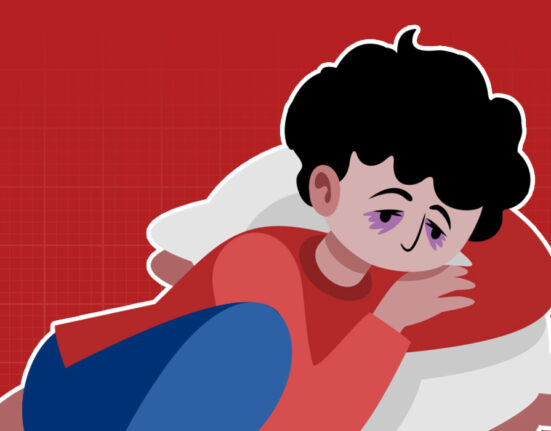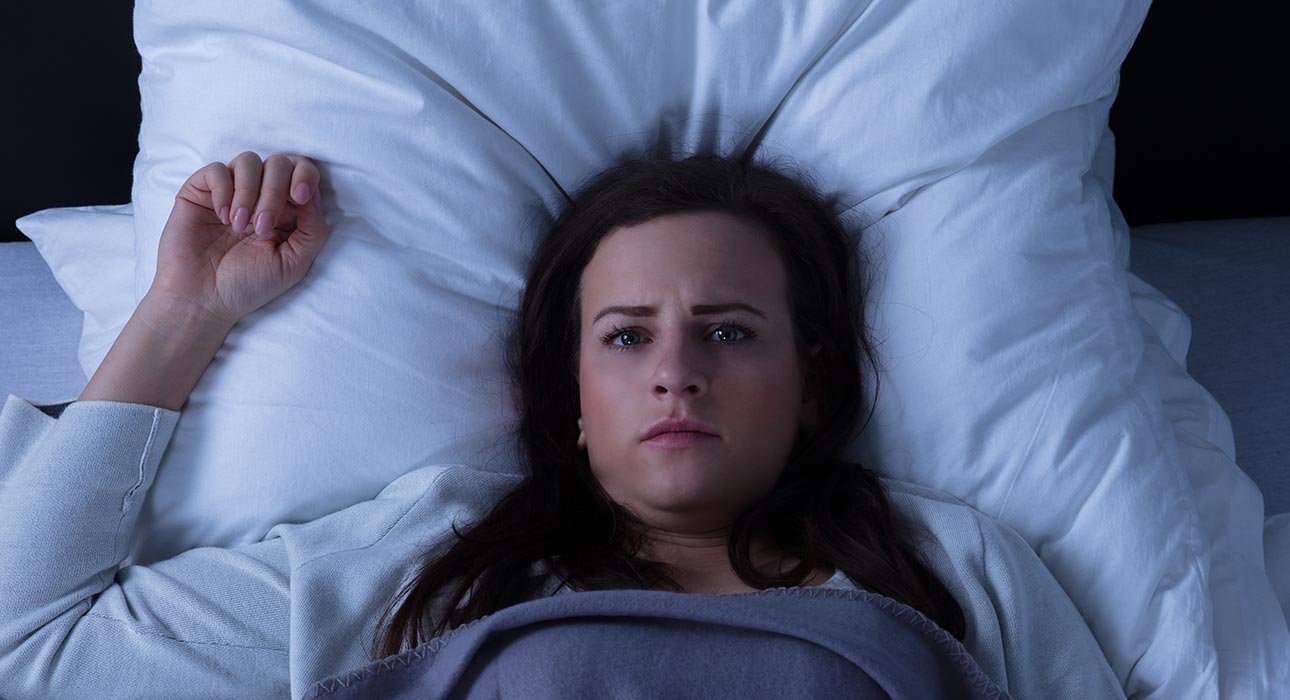
One of the most basic biological needs is sleep. Still, there are some people who get triggered to be afraid by the mere thought of falling asleep. There are attributes such as having nightmares, sleep paralysis, being vulnerable, losing control of oneself that makes one anxious than restful. Such intense fear is called somniphobia where it breaches the quality of sleep of the person along with their emotional and daily well-being (Cleveland Clinic, 2022; Richards et al., 2020).
One does wonder if this phenomenon even exists or not? Well, it does highlight complex connection between sleep, anxiety, and fear, but it is not something that has been researched often and largely. This article attempts to establish the association between fear and sleep. Also, the possible measures one needs to take to restore their sleep and rest.
What is Somniphobia
Somniphobia is defined as a profound fear of falling asleep which can persist with concerns of getting harmed or feeling unsafe while being asleep. A person does not worry about their rest but rather what might happen or could go wrong in their sleep. The idea is somewhat that individuals having this phobia immensely fear that they might lose awareness or not wake up ever. Some also fear having bad dreams or nightmares and sometimes sleep paralysis. Due to the similar factors, sleep anxiety and somniphobia may seem to overlap. But the latter can actually lead to avoidance of sleep completely due to the intensity of fear (Cleveland Clinic, 2022; Richards et al., 2020).
An example of a person going through somniphobia could be avoiding bedtime even after an immensely tiring day. They might distract themselves with different chores to avoid going to sleep due to the fear of having scary dreams. Although they might be aware of their fear being unreasonable, but it is difficult for them to get over it. This type of fear of sleep can occur for various reasons, but it is evident in people going through post-traumatic stress (Kovachy et al., 2013).
Read More: Common Nightmares and Its Impact on Mental Health
Why Does Sleep Become Frightening?
There isn’t any evidence which determines a single cause of somniphobia. The gradual development occurs through combination of factors which contribute towards making bedtime a threatening experience. Some of these previously discussed factors are:
- Distressing or traumatic experiences
- Learned fear
- Sleep paralysis
- Previous nightmare
- Sleep-related difficulties or disturbances
Due to the repeated occurrence of such factors, an individual may begin to associate the unpleasantness and danger with sleep itself (Cleveland Clinic, 2022; Richards et al., 2020).
For instance, there’s an individual who has this case of frequent nightmares that disrupts their sleep. The frequent nightmare isn’t the only cause of fear in their case. It could begin even before going to bed due to night-time, darkness, or feeling tired gradually triggering anxiety. The unpleasantness of the experience gets associated with the earlier neutral stimulus, resembling classical conditioning. Eventually, even in the absence of any immediate threat, there’s apprehension which becomes stressful (Mowrer, 1947; Richards et al., 2020).
Being preoccupied with excessive worry related to thoughts of what might happen during sleep can instigate anxiety. The physiological and emotional arousal increases with constant thoughts about nightmares and losing the ability to wake up. This induces restlessness before bedtime, making it harder to fall asleep (Palagini et al., 2024; Richards et al., 2020). For certain people, the inability to wake up equates to the fear of losing control as one temporarily let’s go of their conscious awareness during sleep. The primary concerns about being vulnerable and having nightmares have been associated with fear of sleep (Kovachy et al., 2013; Richards et al., 2020).
The Role of Nightmare and Sleep Paralysis
The effects of nightmare on emotions persist even after waking, making sleep a frightening experience. Although long after a disturbing dream ends, an individual may go through experiencing helplessness, fear or stress. After a recurring nightmare, it often leads to avoidance of bedtime due to apprehension of another frightening experience. Although not directly related to somniphobia, the movie “A nightmare on Elm Street” captures the fear of nightmares. A systematic review was conducted which found evidence linking nightmares and insomnia. It suggested that these are difficulties, where nightmares reinforce insomnia and vice versa (Delage et al., 2024).
On the other hand, sleep paralysis also contributes to similar form of fears. Around somewhere between sleep and wakefulness, an individual may experience sleep paralysis. The individual remains conscious but is unable to move themselves temporarily, making it an extremely frightening experience. Due to the unusual sensory experience during sleep paralysis, an individual’s fear of repeating patterns during sleep makes them delay bedtime (Sharpless & Barber, 2011).
It’s important to note and understand that not every nightmare or sleep paralysis experience leads to somniphobia. In some people, these experiences may form fear related to sleep. But the personal history of the individual, the interpretation, and other psychological factors contribute to the overall effect (Cleveland Clinic, 2022; Richards et al., 2020).
Read More: Do you know about nightmare disorder?
Recognising The Symptoms
Somniphobia is more than delaying or avoiding bedtime at times, its symptoms can have effects on emotional well-being and behaviour.
Common signs and symptoms include:
- Chronic anticipatory anxiety
- Avoidance of sleep
- Physiological effects
- Fear inducing thoughts
- Seeking reassurance
Behavioural Outcome:
- Feeling dread or getting frightened as it nears bedtime
- Using distractions to delay sleep and unnecessarily staying awake or resisting going to bed even when exhausted
- Anxiety inducing palpitations, shivering, trembling while also having tension in muscles or clenched jaw when going to sleep
- Constantly worrying and ruminating about having another nightmare, losing control while asleep and sleep paralysis
- Having a compulsion to check the surroundings and keep the lights on to feel safe or seeking company of someone.
An individual may have a habit to delay sleep by constantly checking the time, distracting oneself through scrolling on phone, only to sleep when fully exhausted. This type to behavioural mechanism induces fear and avoidance of sleep, although having temporary relief through such distractions.
The clinical descriptions of anxiety and phobia related to sleep are consistent with such experiences, but a diagnosis cannot be established just based on symptoms only (American Psychiatric Association, 2022; Cleveland Clinic, 2022).
How Fear of Sleep Affects Daily Life
Avoiding sleep reinforces exhaustive and negative coping outcomes.
- Fear delays sleep,
- delayed sleep reduces rest,
- insufficient sleep then can increase emotional reactivity and
- could lead to difficulty regulating stress
Research showcases a two-way relationship between sleep disturbances and anxiety, where both certainly exacerbate one another (Palagini et al., 2024; Richards et al., 2020).
The consequences go beyond the bedtime. Insufficient sleep can affect:
- attention,
- memory,
- decision-making,
- mood, and
- everyday problems.
An individual in school may most likely struggle with attention and focus, whereas a working professional may underperform in each project. Relationships can feel like a burden due to lack of energy and annoyance. Eventually, disturbances in sleep cycle can pile up over an already difficult experience inducing more anxiety (Palagini et al., 2024; Van Someren et al., 2015). Therefore, we should not dismiss fear related to sleep as mere overthinking. As it can potentially have prolong effects on mental and daily functioning if it persists.
Managing Somniphobia
Rather than increasing the length of sleep, the purpose of treatment is to improve the sleep experience. Also, to help decrease the fear of sleep and make it safe to fall asleep.
Cognitive behavioural therapy (CBT)
CBT helps individuals recognise and reframe thoughts that intensify their fear. Like if someone is convinced that they are having a nightmare every night, they can start looking at the presumption more realistically. Therapy can also help with avoidance behaviours and anxiety surrounding sleep. Anxiety-related problems, including sleep problem are typically treated using cognitive behavioural methods (Richards et al., 2020).
Cognitive behavioural therapy for insomnia (CBT-I)
CBT-I can be effective in treating sleep-related fear when it is also present with persistent insomnia. Usually, these will be things like stimulus control, changing sleep habits, and cognitive restructuring. This can be done in conjunction with treatment for the underlying fear by a clinician (Edinger et al., 2021; Richards et al., 2020).
Gradual exposure to the feared experience
The approach to exposure-based therapy is to face feared situations gradually and safely without constant avoidance. It can begin by opening up regarding one’s sleep-related worries. They can gradually find falling asleep at home easier and safer by incorporating relaxation techniques before going to bed. The speed of progression must be personalized, especially in cases of trauma (Cleveland Clinic, 2022).
Addressing nightmares and trauma
Imagery rehearsal therapy has been found as a helpful treatment for individuals who avoid sleep due to recurrent nightmares. This technique is when we create and rehearse a distressing dream but in our waking state. Imagery rehearsal therapy is recommended for nightmare disorder and nightmares related to post-traumatic stress disorder by the American Academy of Sleep Medicine (Morgenthaler et al., 2018).
Developing a reassuring sleep routine
A bed time routine, comfortable bed and relaxation exercises can help to lower overall arousal in the hours leading up to sleep. But these are not ‘substitutes’ for the psychological treatment of severe or chronic fear. It is important to consult with a qualified mental health professional if fear becomes repetitive. Also, if it makes it hard to sleep or if it has a significant impact on life (Cleveland Clinic, 2022; Edinger et al., 2021). This can be personalized to take into account the person’s experiences, not that all sleep-related fears are created equal.
Conclusion
It is a disturbing contradiction that something vital to our survival can be a danger, but Somniphobia lies within that glaring divide. Vigilance can become deeply connected to bedtime as the fear is repeated: with nightmares, trauma, anxiety, or issues of loss of control. The key to changing this cycle is to recognise it. Mental-health support plays a role in providing awareness about how one perceives their fears. It further helps reduce any distressing experiences and slowly regaining a normal sense of safety with sleep. Its ultimate purpose is not just to sleep, but to sleep without fear of danger.
References +
- American Psychiatric Association. (2022). Diagnostic and statistical manual of mental disorders (5th ed., text rev.). https://doi.org/10.1176/appi.books.9780890425787
- Cleveland Clinic. (2022, March 30). Somniphobia (fear of sleep): Causes, symptoms & treatment. https://my.clevelandclinic.org/health/diseases/22645-somniphobia
- Delage, J.-P., Côté, J., Journault, W.-G., Lemyre, A., & Bastien, C. H. (2024). The relationships between insomnia, nightmares, and dreams: A systematic review. Sleep Medicine Reviews, 75, Article 101931. https://doi.org/10.1016/j.smrv.2024.101931
- Edinger, J. D., Arnedt, J. T., Bertisch, S. M., Carney, C. E., Harrington, J. J., Lichstein, K. L., Sateia, M. J., Troxel, W. M., Zhou, E. S., Kazmi, U., Heald, J. L., & Martin, J. L. (2021). Behavioral and psychological treatments for chronic insomnia disorder in adults: An American Academy of Sleep Medicine clinical practice guideline. Journal of Clinical Sleep Medicine, 17(2), 255–262. https://doi.org/10.5664/jcsm.8986
- Kovachy, B., O’Hara, R., Hawkins, N., Gershon, A., Primeau, M. M., Madej, J., & Carrion, V. (2013). Sleep disturbance in pediatric PTSD: Current findings and future directions. Journal of Clinical Sleep Medicine, 9(5), 501–510. https://doi.org/10.5664/jcsm.2678
- Morgenthaler, T. I., Auerbach, S., Casey, K. R., Kristo, D., Maganti, R., Ramar, K., Zak, R., & Kartje, R. (2018). Position paper for the treatment of nightmare disorder in adults: An American Academy of Sleep Medicine position paper. Journal of Clinical Sleep Medicine, 14(6), 1041–1055. https://doi.org/10.5664/jcsm.7178
- Mowrer, O. H. (1947). On the dual nature of learning—A reinterpretation of “conditioning” and “problem-solving.” Harvard Educational Review, 17, 102–148.
- Palagini, L., Miniati, M., Caruso, G., Alfi, G., Geoffroy, P. A., Domschke, K., Riemann, D., Gemignani, A., & Pini, S. (2024). Insomnia, anxiety and related disorders: A systematic review on clinical and therapeutic perspective with potential mechanisms underlying their complex link. Neuroscience Applied, 3, Article 103936. https://doi.org/10.1016/j.nsa.2024.103936
- Richards, A., Kanady, J. C., & Neylan, T. C. (2020). Sleep disturbance in PTSD and other anxiety-related disorders: An updated review of clinical features, physiological characteristics, and psychological and neurobiological mechanisms. Neuropsychopharmacology, 45, 55–73. https://doi.org/10.1038/s41386-019-0486-5
- Sharpless, B. A., & Barber, J. P. (2011). Lifetime prevalence rates of sleep paralysis: A systematic review. Sleep Medicine Reviews, 15(5), 311–315. https://doi.org/10.1016/j.smrv.2011.01.007
- Van Someren, E. J. W., van der Werf, Y. D., Roenneberg, T., & Dijk, D.-J. (2015). Disrupted sleep: From molecules to cognition. Journal of Neuroscience, 35(35), 13889–13895. https://doi.org/10.1523/JNEUROSCI.2592-15.2015