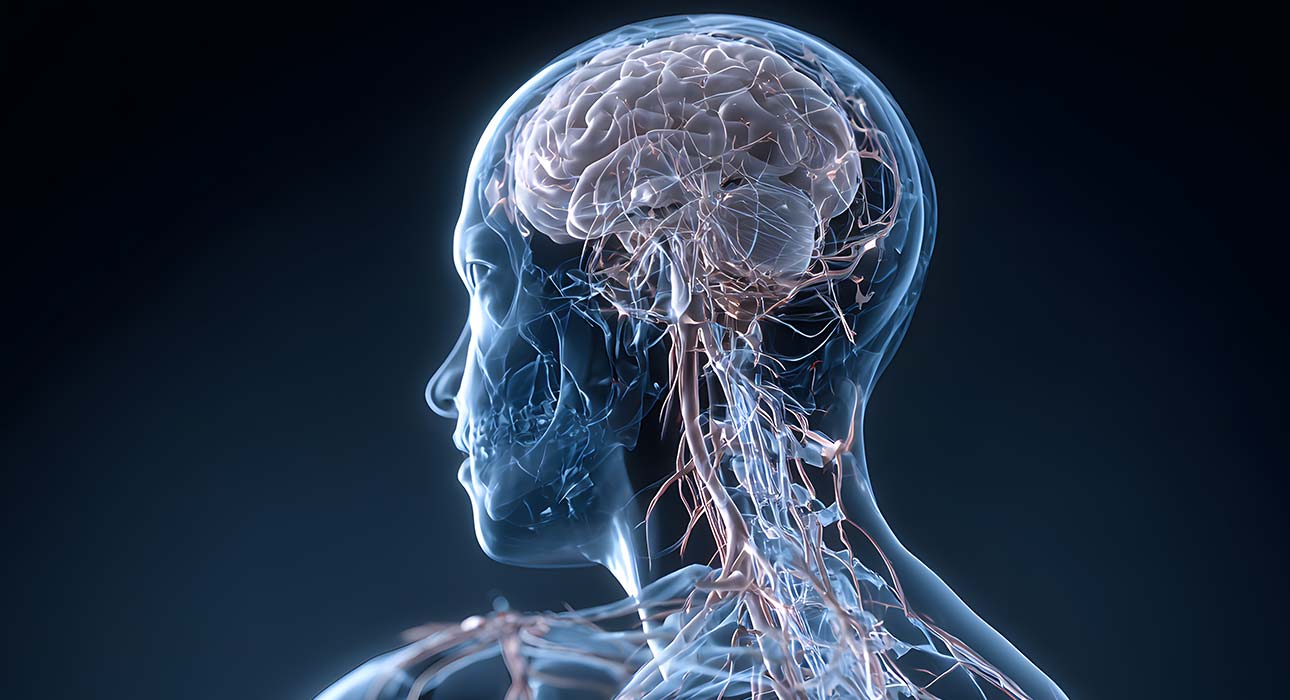
We know rehabilitation as a treatment done after substance abuse, where an addict would go for treatment so that they can get back on their feet, and feel more in control again, Neurorehabalitation is something like that. Here, the treatment is done after the treatment of a neurological injury. Neurons are the nerve cells spread all over the body that transmit messages from our senses to the brain and vice versa.
When a neurological injury occurs, the nervous system needs to adapt; this is where neurorehabilitation helps by rewiring the brain to restore and rebuild lost functions, ultimately making a patient’s life easier and more independent. Suffice to say, it is getting the patient back on their feet after any neurological injury. It is essential to consider that it is not only the physiological impact that needs attention, but the psychological impacts are to be considered as well. Given that, neurorehabilitation process involves more than physical therapies. It focuses on movement, cognitive abilities, self-identity, communication techniques, etc.
Neurorehabilitation got discovered later in 1985, making it a relatively new approach of treatment. Injuries for which neurorehabilitation is used can be Parkinson’s disease, traumatic brain injury, spinal cord injury, or even a stroke. We hear the word ‘stroke. It is the condition caused by sudden reduction of blood to certain areas of the brain causing lack of oxygen supply to neural areas which deprive the neurons of the nutrients it need for functioning. And did you know? Only 5-10% of stroke patients get early treatment before reaching the chronic stage. The only treatment after the recovery from the stroke till date is ‘Neurorehabilitation.’
Read More: How Stroke Affects Speech Processing in the Brain
Challenges of Rehabilitation
Basically, apart from the injury, the neurorehabilitation process and its progress can cause more psychological distress sometimes and it is very common, but is manageable when foreseen and well understood of. WHO in 2014 released something called DAP: ‘Disability Action Plan’ which provided with a list of requirements needed for patients to achieve healthy treatment with humanistic approach. The main goals included:
- Removal of barriers and improved access to health services and programs
- Strengthening and extension of rehabilitation, assistive technology access, and supporting services
- Community-based rehabilitation
- Strengthening disability data collection for international comparability, and to support research.
To achieve these criteria, there are individual, social, or economic challenges which are evident in developing countries. The process can become even harder when progress is slow or unpredictable. So, in many places, even the access to resources is a major challenge.
A shortage of trained neurorehabilitation professionals further is a concern for specialized care sector, while weak referral systems can cause people to miss timely treatment or follow-ups after leaving a hospital. Stigma and misconceptions about disability are nothing new to even the modern society; this also makes people reluctant to seek help. People aren’t aware that the physical treatment is the half treatment, and they don’t emphasise upon the fact that their goal of achieving healthy life and reviving patient’s lifestyle is being compromised (Khan et al, 2015).
Another study named ‘The impact of inpatient neurorehabilitation on psychological well-being on discharge and a 3 month follow-up,’ reflects on how patients would show impressive results in terms of their psychological health during the period of neurorehabilitation, but after three months the results went back to the pre-treatment state. The physical health was improved a lot when after the treatment, whereas the anxiety level remained high throughout and after. It is safe to say that the impact on mind and body can be a lot different, so respective care is essential after any injury. They concluded the study stating, ‘Rehabilitation services need to focus more on psychological functioning after discharge and identify effective strategies to maintain wellbeing’ (O’Connor et al, 2005).
Read More: Neuroplasticity After a Stroke: What Research Has Shown About Brain Recovery
Living With Emotional Distress and Frustration
Imagine that you are having a nice cup of coffee, you are holding a cup in your hand, and suddenly your hand becomes injured or sprained. You get a treatment done, you get your hand functioning, but somehow you have lost the ability or will to hold that cup again. Anyone would be devastated, they would maybe feel distressed or frustrated because the tasks they were able to do yesterday so effortlessly, are no longer easier for them. Neurological injury can change more than a person’s physical abilities. It can also affect the way one respond to everyday situations, how they are communicating their feelings and coping with changes in their life in general.
These changes can cause confusion and frustration, especially when the person is aware of how they were before and after the injury. Emotional reactions such as anger, embarrassment, sadness, irritability or sudden crying are some common experiences. Frustration can become particularly difficult when progress during rehabilitation is slow, which is particularly very common in the process. Relearning an activity that once was a piece of cake can make a person feel as though they are constantly being reminded of what they have lost. For such reasons, cognitive therapy is a very important part of neurorehabilitation (Judd, 1999).
The very process intended to restore independence can temporarily remind a person of how much independence they have lost.
Read More: What is Cognitive Rehabilitation Therapy?
Identity and the Sense of Self
How does one make sense of their selves? What defines it exactly? The experiences, the likes or dislikes, or the health most importantly? Post-injury, the sense of the ‘self’ can be lost, and it could be hindered by underlying conditions like depression, anxiety, or even identity crises. The sense of self is also closely connected to the stories one remembers, and tells about their lives. Memories help us connecting the past, present, and the future. When the neurological illness affects memory or disrupts important life experiences, that sense of continuity can become harder to maintain. At the same time, identity is not fixed. It continues to develop through relationships, experiences and the different roles we take on throughout life.
This is why neurorehabilitation is not only about restoring physical or cognitive abilities. It can also help a person rebuild a sense of self after illness or injury. Supporting adjustment, independence, relationships and personal goals can help them make sense of what has changed while recognising that they are not defined only by their disability. In this way, rehabilitation can become part of rebuilding and not just recovering or reviving the normal self that one used to identify with (McPherson & Leplege, 2015).
Motivation for Patients
Usually, ‘you can do it’ does not solely cut it. Motivation is beyond the power of words or will. Motivation is a very subjective process. To revive the overall health of a patient, this becomes a crucial stage of recovery.
Let’s understand from a study done in 2025 by 250 professionals themselves about recovery and motivation for patients. They found that active listening was the most commonly used strategy for motivation, with 94.4% of usage. The study also highlighted praise, encouragement and positive feedback as common techniques. Listening is undeniably the most important part of any treatment or healing, that the patient should feel heard.
A goal-oriented work is generally more progressive or productive during neurorehabilitation. It could be as simple as holding an object independently, walking a little farther, communicates more easily, or return to an everyday activity. Dependency can be another hurdle, the guilt of relying on caregivers occurs more often than we think. So, respect for self-determination was among the commonly used motivational strategies. It also emphasised the importance of considering the patient’s cognitive function when choosing an approach. This matters because memory, attention, communication and other subjective difficulties can change how a person understands and responds to rehabilitation.
Motivation, therefore, does not come only from the patient. The rehabilitation environment and the way therapy is designed can influence it as well (Somaa et al, 2025).
Conclusion
Ultimately, encouragement or wisdom for recovery does not mean keeping a patient positive at all times. It means helping them understand why rehabilitation matters in the first place, recognising their efforts, and giving them reality checks, allowing them to have a voice in their own recovery. Most importantly, motivation should be treated as something that can change. A patient who seems discouraged today may respond differently when their difficulties are understood and their rehabilitation feels more personal. We kind of have to push till they attain faith in ‘the achievable-ness’, and the rest would fall in place for them automatically (Somaa et al, 2025).
Psychological care cannot be treated as something separate or optional in neurorehabilitation. A patient may regain a physical ability and still struggle emotionally. They may be improving but still feel frustrated because they are not where they used to be. They may need encouragement, but more than that, they need to be heard, understood and given some control over their own recovery.
Maybe recovery should not always mean getting back to exactly who the person was before the injury. Sometimes, it can mean learning to live with what has changed, finding new ways of doing things, and slowly building confidence in what is still possible.
References +
- Khan F1,2 ,3,4 ,5*, Am atya B1,5, Man n an H3 an d Ratho re FA5,6. (2015). Neurorehabilitation in Developing Countries: Challenges and the Way Forward; Austin publish group.
- Judd T. (1999). Neuropsychological and Psychoeducational Services Bellingham Washington; Neuropsychotherapy and Community Integration. (Neuropsychotherapy and cognitive therapy)
- McPherson K, Gibson E.B, Leplege A; Rethinking Rehabilitation. (2015). Theory and Practice.
- Somaa F, Al-Sulaimani M. M, Shararah S. H, Behairi A.M.W, Khan A. Motivational Strategies for Neurological Rehabilitation,
- Kaiser, J. [@Burke Neurological Institute] Neurorehabilitation video lecture
- Glanate E, Gazzi L, Caffarra S. (2011). Psychological Activities in Neurorehabilitation: from Research to Clinical Practice. Supplemento A, Psicologia.
- Schmidt R, Pilayska, Maier-Ring D, Van Husen D.K, Dettmers. (2017). Psychotherapy in Neurorehabilitation. Georg Thieme Verlag KG Stuttgart.
- O’Connor R.J, Cano S.J, Thompson A.J, Playford E.D. (2005). The impact of inpatient neurorehabilitation on psychological well-being on discharge and a 3 month follow-up. Journal of Neurology, Springer Nature Link.