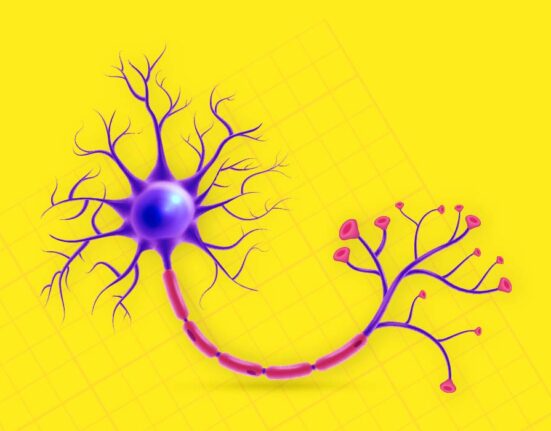
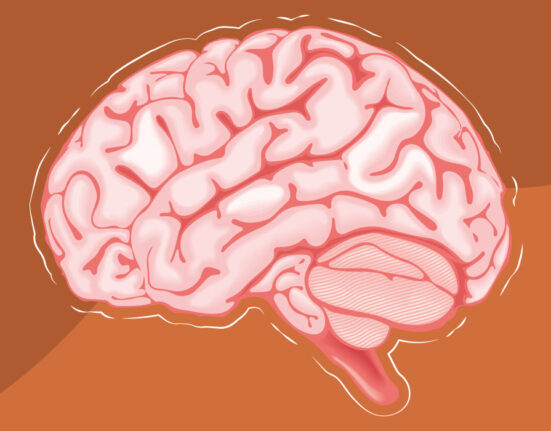
I think stress is something that we usually think happens in our minds. We get thoughts that we feel overwhelmed, or we feel the pressure of having a lot of responsibilities. Our body often feels stress before we even realise it. We might get frequent headaches, tiredness or ongoing stomach discomfort, and these things can start happening even when we think everything is fine. This goes back to the theory of dualism by René Descartes, who proposed that the immaterial mind interacts with the physical body through the pineal gland.
These physical signs of strain are called Somatic Symptoms. This is when psychological distress shows up in our bodies. These symptoms are real. They show us how closely our mind and body work together as one system, not separate parts. In life, many people go to see doctors, have tests and look for a clear medical reason for their symptoms, only to be told that nothing seems physically wrong. What remains unexplained medically is often deeply understandable psychologically.
Read More: What to do when you are feeling overwhelmed
What Are Somatic Symptoms?
The word somatic comes from the term soma, meaning body. Somatic symptoms are complaints that are significantly influenced by psychological distress. The discomfort is real. It is often distressing, even when medical checks do not reveal a cause. Some common stress-related somatic experiences include:
- headaches or migraines
- muscle stiffness in the neck and shoulders
- digestive issues like acidity, nausea or irregular bowel movements
- persistent tiredness despite getting rest
- heartbeat or chest tightness
- sleep disturbances
- breathlessness or dizziness
- skin issues during stressful periods
For many people, the confusion lies in the mismatch between real physical suffering and normal medical reports. This gap can feel exhausting. It can sometimes make anxiety worse.
Read More: When the Body Trembles: Understanding the Somatic Roots of Chronic Anxiety
How Stress Moves From Mind to Body
There is a fundamental relationship between physical and mental health; they are wired together biologically as one. As a result of stress, our brains initiate involuntary reflexive behavioural processes to ensure we are able to survive for an extended period of time.
These impulse-driven behaviours are the result of the hypothalamus stimulating the production and release of stress-related hormones (i.e., adrenaline and cortisol) into the bloodstream; and thus, our bodies will enter into a readiness mode for either fighting (i.e., confrontation) or fleeing (i.e., escape). This is often referred to as our “fight-or-flight response” or our sympathetic nervous system in play. In some situations, this response is helpful and necessary. Problems arise when stress becomes chronic, and our body remains on alert. Over time, this ongoing activation affects systems.
Physical Effects of Chronic Stress
- Our system is affected: continuous tension prevents muscles from relaxing, leading to aches, stiffness and tension headaches.
- Our digestive system is also affected: stress shifts energy away from digestion, often causing bloating, acidity or appetite changes.
- Our cardiovascular response is affected too: an elevated heart rate and increased blood pressure may produce sensations like problems in healthy individuals.
- Our immune function is affected well: long-term exposure to cortisol can weaken responses, increasing susceptibility to infections or inflammatory reactions.
- Our sleep regulation is also affected: heightened alertness interferes with sleep, creating a cycle of exhaustion and emotional vulnerability.
- Our body remains prepared for danger that never fully arrives.
Read More: The Relation Between Your Stress and Gut
Why Stress Appears Physically for Some People
While everyone experiences stress, not everyone develops symptoms. Individual differences play a key role. Some people find it hard to express emotions openly. They may unknowingly internalise distress. When feelings are not verbalized the body sometimes becomes the medium through which tension is expressed.
Certain people have high self-expectations and can continue working, even when they are extremely fatigued, because they do not acknowledge the emotional toll. The body may develop physical symptoms as a way of alerting them to a problem. In many settings, emotional pain is less likely to be discussed openly than physical illness. Physical symptoms may therefore become a way of communicating distress. Chronic stress or trauma can also play a role: long-term exposure to stress sensitises the system, making it more reactive to minor pressures.
Not “All in the Head”: Understanding the Reality of Somatic Pain
A false assumption among some is that somatic symptoms are made up or blown out of proportion. However, research shows emotional stress activates brain areas associated with the experience of pain, which means that psychological stress can produce sensations.
An increasing number of healthcare providers are adopting a model of care that reflects the interaction between biological, psychological and environmental factors continuously interacting with one another. Rather than viewing either a Physical or Psychological explanation for patients’ symptoms as mutually exclusive, a blended Physical/Psychological explanation will be based upon a single unified process. Recognising this integration helps reduce stigma and promotes care.
The Stress–Symptom Cycle
The enduring nature of somatic symptoms can be explained by way of the cyclical nature of those symptoms: physical discomfort leads to symptoms producing uneasiness, and anxiety results in heightened arousal; heightened arousal, in turn, leads to more severe somatic symptoms and so on.
As time goes by, many individuals become increasingly aware of any sort of sensations they have, interpreting them as “alerts” when it comes to their health. This heightened monitoring keeps the system activated, prolonging distress. Breaking the cycle requires addressing stress alongside regulation.
Everyday Examples of Somatic Stress
Symptoms rarely appear suddenly. Instead, they develop within life situations: a student experiencing stomach pain before examinations, developing migraines during demanding work periods, persistent fatigue during challenging relationships or skin breakouts coinciding with conflict or uncertainty. Such patterns demonstrate how environments influence responses, often without conscious realisation.
Read More: How Does Stress Show Up In Your Body?
Approaches to Managing Somatic Symptoms
Because somatic stress involves both mind and body, effective management addresses both dimensions. Developing your capacity for emotional awareness is very important. Labelling one’s emotions results in decreased tension for many people. Using reflective techniques such as journaling or speaking with a therapist can assist you in identifying the source of your stress.
Regulation by the body is important. When we physically relax, it reduces the stress in our bodies. Some examples of relaxation techniques are deep breathing, progressive muscle relaxation, yoga and gentle stretching. Regulating by the mind is also important. As practitioners become more educated on ways to deal with stress, the likelihood of misinterpreting bodily sensations due to stress will be greatly reduced. Less distress will be felt by individuals when cognitive strategies are utilised as a means of managing distress.
Exercise promotes the regulation of hormonal levels and assists in ridding the body of tension. Regular sleep patterns will also help restore balance to people’s lives. Research supports the use of psychological supports like Mindfulness-Based Interventions (MBI) and Cognitive Behavioural Therapy (CBT) for psychological symptom reduction related to somatic distress.
Reasons to Practice Self-Compassion
People often view their symptoms through the lens of “weakness”, which manifests itself as frustration and self-criticism; thus creating more stress than warranted. Viewing symptoms as signals rather than failures encourages a different relationship with the body. Pain, fatigue or discomfort may represent attempts at communication rather than malfunction. Self-compassion allows individuals to respond with curiosity rather than resistance, creating space for recovery.
Stress and the Modern Lifestyle
Modern routines rarely allow rest. The constant presence of technology, high personal production expectations, and constantly comparing ourselves to other people all contribute to our feelings of continuous low-level stress all day, and even when we are not working.
Somatic symptoms are an indication of the need to have balance and are the body’s fastest and most accessible means of communicating distress caused by an imbalance in our emotional or physical system. The increase in chronic pain, fatigue and stress-related illnesses can, therefore, be attributed to lifestyle choices rather than individualising a specific person as the cause of their distress at any given time.
The somatic symptoms of stress represent the fact that we cannot separate our minds and bodies in the way we are experiencing through pathways of stress. The emotional distress will travel through pathways as it influences muscles, hormones, sleeping patterns and perceptions overall.
When physical symptoms arise without explanation, they need not be dismissed or feared. Listening to these signals allows individuals to address stress at its source rather than only its surface expressions. In ways, the body speaks the language of experiences that words have not yet formed. Learning to listen without judgment may be one of the important steps toward genuine well-being.
References +
American Psychiatric Association. (2024, July). What Is Somatic Symptom Disorder? Psychiatry.org. https://www.psychiatry.org/patients-families/somatic-symptom-disorder/what-is somatic-symptom-disorder
Cleveland Clinic. (2021, April 30). Psychosomatic Disorder: What Is It, Symptoms, Diagnosis & Treatment. Cleveland Clinic. https://my.clevelandclinic.org/health/diseases/21521- psychosomatic-disorder
Kerekes, N., Zouini, B., Tingberg, S., & Erlandsson, S. (2021). Psychological Distress, Somatic Complaints, and Their Relation to Negative Psychosocial Factors in a Sample of Swedish High School Students. Frontiers in Public Health, 9. https://doi.org/10.3389/fpubh.2021.669958
Mayo Clinic. (2018). Somatic symptom disorder – Symptoms and causes. Mayo Clinic. https://www.mayoclinic.org/diseases-conditions/somatic-symptom-disorder/symptoms causes/syc-20377776
Nakao, M. (2017). Somatic manifestation of distress: clinical medicine, psychological, and public health perspectives. BioPsychoSocial Medicine, 11(1). https://doi.org/10.1186/s13030- 017-0119-3
Wikipedia Contributors. (2019, February 21). Mind–body problem. Wikipedia; Wikimedia Foundation. https://en.wikipedia.org/wiki/Mind%E2%80%93body_problem