Disclaimer: The following article may contain words and themes that are sensitive. This material is for awareness purposes only.
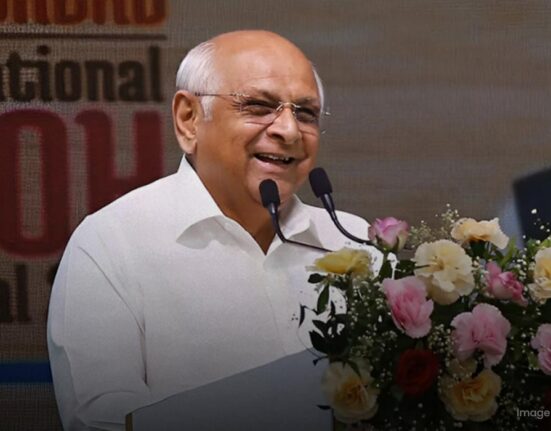
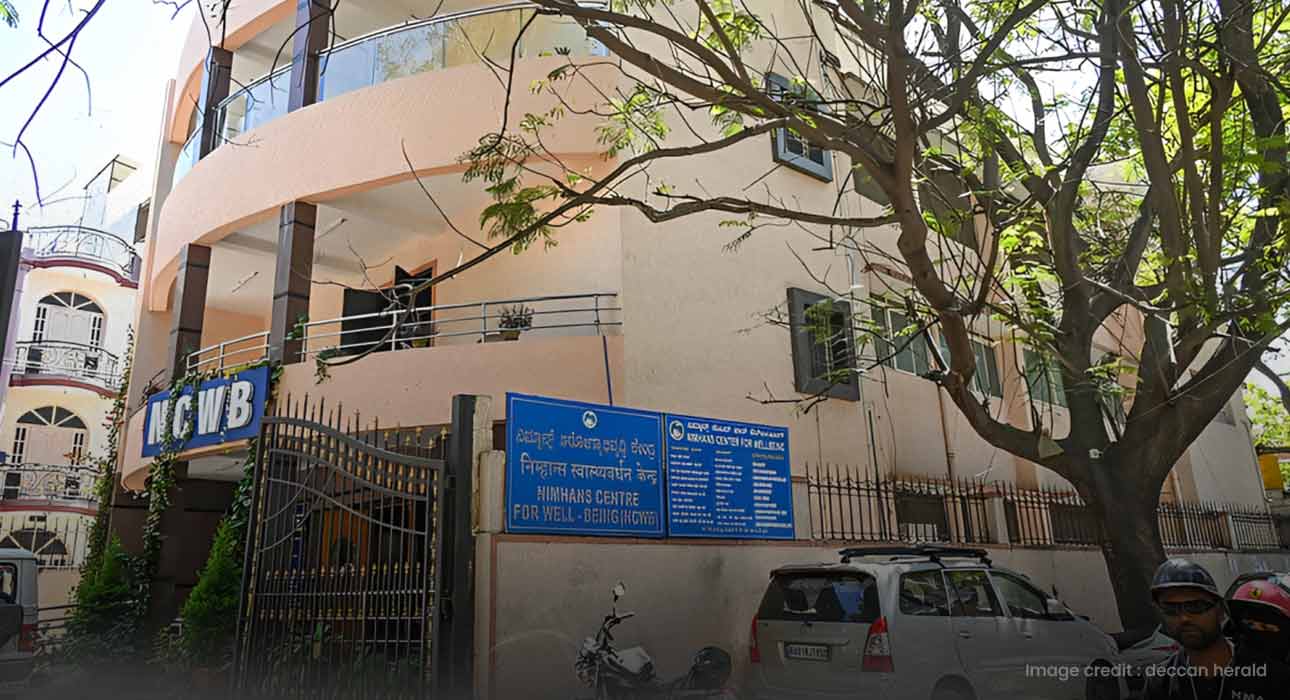
The National Institute of Mental Health and Neuro Sciences (NIMHANS) Bangalore hosted an international conference focused on strengthening the connection between mental healthcare and the criminal justice system. It was co-hosted by NIMHANS and the Royal Australian and New Zealand College of Psychiatrists with the theme “Bridging the Gap”. The four-day conference was held from November 2nd to 5th and was attended by global experts in forensic psychiatry, law and mental health from India, Australia, New Zealand and other countries.
The sessions involved comparative discussions on laws governing mental healthcare which includes involuntary treatment and criminal diversion from the justice system and psychiatric care in custodial settings. The discussions also covered mental health concerns connected to child sexual abuse and adolescent sexual offenses among other sensitive topics. The conference examined the assessment of criminal responsibility and insanity defense under section 22 of the Bharatiya Nyaya Sanhita 2023. This concerns the ability to stand trial, psychiatric assessment between severe mental disorders and criminal responsibility.
Read more: Revolving Door Justice in India: Understanding Juvenile Re-Entry and Recidivism
Other Key Focuses of Conference
The conference explored a multi-faceted and problematic topic which is the mind of a criminal and their causes for crimes. As India experiences a severe rise in criminal activity, especially with regard to women and children, this conference explores causes and possible solutions to control and possibly treat criminal behaviour.
- Use of AI in psychiatric assessment, diagnosis and treatment
- AI assisted forensic applications
- Social media use among adolescents
- Consequences of Digital Personal Data Protection Act 2023 for psychiatric purpose
Read More: Forensic Psychology vs Criminal Psychology
Tele-Manas Service for Law Purpose
The program piloted the use of the national mental health helpline Tele-Manas for people in custodial care. It will also assess the integration of Tele-Manas services with police emergency response systems. The research presentations covered psychiatric disorders among prisoners, suicide prevention in prisons, violence risk assessment, offensive behaviour and implementation of mental healthcare rights.
Read More: The “Criminal Mind” Myth: Are Some People Born Bad, or Is It All Environment?
Mental Healthcare in Indian Prisons
The last prisons statistics report by the National Crime Records Bureau (NCRB) stated that 119 prisoners died by suicide in 2022. It also showed a 67% higher number and risk as compared to to the national average of the general population, according to The News Minute. The data also mentioned that suicide made up approximately 80% of unnatural deaths occurring in prisons between 2017 and 2022.
It also highlighted the lack of psychiatrists in prisons with two of three sanctioned posts lying vacant in 2022 which was the highest since 2016. Tamil Nadu had the highest number of women psychologists and psychiatrists of the total nine employed in prisons. According to the United Nations Standard Minimum Rules for The Treatment of Prisoners recommends that prisoners must be screened for healthcare issues including psychological or other stress while they are being admitted to the jail.
Mental Healthcare Act 2017
The act states that state governments must ensure training of medical officials in prisons to provide basic emergency mental healthcare. It also mandates setting up a medical wing in at least one prison in all states. Every jail is required by law to have at least one mental health professional but the post leis vacant more often than not. Adding to this is India’s lack of mental health professionals per its population.
Conclusion
The conference drew attention to a very important and overlooked factor when it comes to criminal procedure which is mental health. This is a topic very few acknowledge and talk about which makes the treatment of criminals with metal health even less knowledgeable among society. The conference highlights why immediate and effective solutions must be enhanced through policy frameworks and other implementations to address the issue.
This would include special training of mental health professionals as well as civilians who have such a background to further strengthen a community-led approach to tackle the lack of mental healthcare professionals in Indian prisons. It also urges India to strengthen existing laws that acknowledge and address mental health in criminals and provide adequate measures for treatment.
References +
- DH https://www.deccanherald.com/india/karnataka/bengaluru/nimhans-hosts-4-day-international-forensic-psychiatry-conference-in-bengaluru-to-discuss-mental-health-law-4206429
- TNIE https://www.newindianexpress.com/cities/bengaluru/2026/Nov/04/experts-discuss-mental-health-legal-system-at-nimhans-meet
- TNM https://www.thenewsminute.com/features/mental-health-crisis-in-indian-prisons-is-worse-than-what-official-data-says