Disclaimer: The following article may contain words and themes that are emotionally sensitive and can be triggering. Please read with caution. This material is for awareness purposes only.
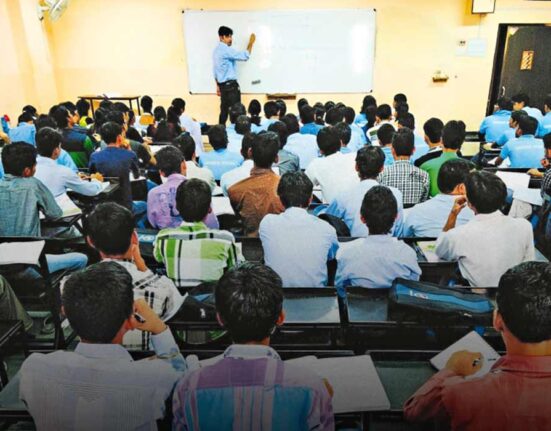
The Gujarat Government has framed new mental health guidelines for higher and secondary schools to focus on student stress and prevent suicides. The new rules include provision of dedicated wellness teams, peer-support and qualified counsellors. It will be applicable to students from class 9 to 12 in all schools affiliated to the Gujarat Secondary and Higher Secondary Education Board (GSHSEB). The State has used the UMMEED (understand, motivate, manage, empathize, empower and develop) framework that was developed by the National Council of Educational Research and Training (NCERT) as a reference framework.
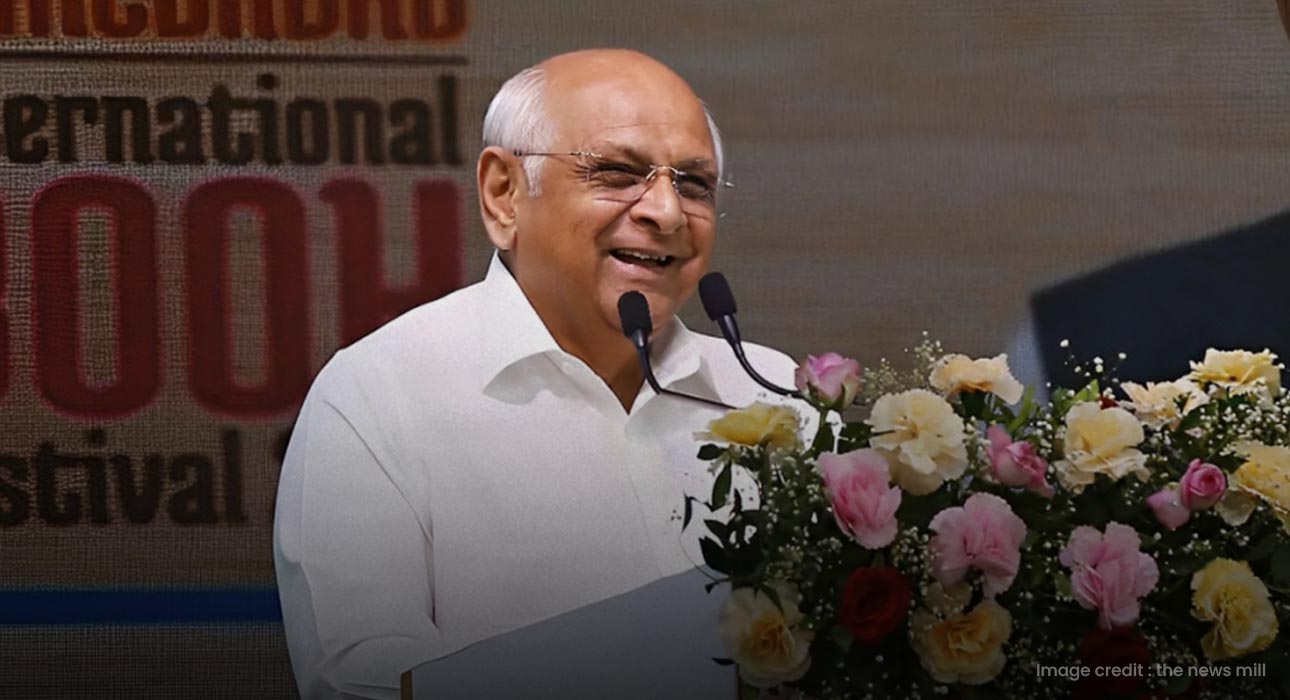
The Gujarat government has declared that this decision will prioritise students mental well-being just as much as their academic performance. The rules align with the Supreme Court guidelines sent to all educational institutes earlier this year after it found that mental well-being of students was being compromised for academic purposes. Students today have been reported to have excessive exam pressure, competition for high marks, future anxiety, family pressure and social media use and digital addiction.
The Gujarat government is ensuring that the focus falls on holistic wellness of students instead of being limited to academic growth alone. Schools will also have to provide regular guidance on careers to encourage exploring educational, vocational, skill-based and entrepreneurial opportunities. This is to also reduce academic and career pressure.
Read More: 7 Ways to Manage Assignment Stress in Students
Mandatory School Wellness Teams
A mandatory School Wellness Team (SWT) must be formed in every institute with classes 9 to 12. The SWT will be headed by the principal while a counsellor or selected teacher will serve as coordinator. The team will include one teacher from the secondary and higher secondary sections, a school management committee representative, a non-teaching staff member and two student peer-leaders. There will be an annual review of its functions.
The student peer leaders will represent the two sections and will provide initial emotional support. They will guide those who need assistance towards the appropriate services. The teams will be trained to protect students emotional well-being, identify mental distress and quick response during suicide risk or other emergencies.
Read More: A Counsellor in Every School: Inside CBSE’s Landmark 2026 Notification
Additional Guidelines To Ensure Well-Being
Schools with 100 or more students must have one qualified counsellor, psychologist or social worker with training in child and adolescent mental health. Schools with less than a 100 students must refer affected students to external mental health experts, community and primary health centers in the vicinity, district mental health program and Tele-MANAS services.
- Provide additional mentoring and counselling during board exams and class transitions especially classes 8 to 9 and 10 to 11
- Students cannot be separated based on academic performance
- Students cannot be publicly humiliated or compared to other students
- No action that causes emotional distress to the student will be allowed
- Schools must organize yoga, meditation, art, music, gardening, dance and sports
- Students must have cofndiential and easy access to counsellors or a designated teacher
- Suggestion boxes must be provided
- SWT details and child helpline numbers must be publicly displayed
- Mental health training for teaching and non-teaching staff twice a year
- Psychological first-aid, identification of warning signs, response to self-harm and guidance to needed services must be provided
Read More: How Academic Pressure and Grades Affect Students’ Self-Worth
Care For Students Undergoing Mental Health Difficulty
The guidelines specifically ask schools to immediately address any signs of self-harm, suicidal thoughts or mental distress. Such students must not be left alone with the option of speedy emergency assistance. Schools have to maintain strict confidentiality regarding students mental health records which can only be shared with authorized personnel working for their safety, treatment or welfare. Schools have also been asked to tackle grievances like bullying, cyberbullying, ragging, sexual harassment and discrimination of any kind. This includes discrimination based on caste, gender, religion, language, socio-economic status and disability. Schools that fail to address such issues or found to contribute to a student’s self-harm or suicide will be penalized under the applicable laws.
Conclusion
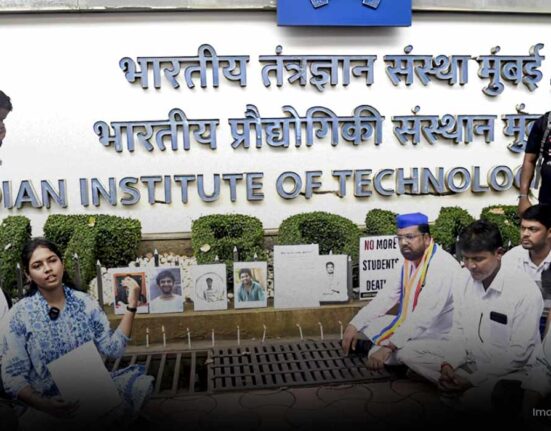
The guidelines show a significant contribution by schools and educational institutes in addressing student mental well-being. India’s alarming rise in youth suicides had prompted the Supreme Court of India to mandate certain guidelines for all educational institutions. Gujarat becomes yet another state that is prioritizing student well-being and exposing the stagnant and harmful methods of teaching that still exist in many schools and colleges. It also aims at reducing suicide risk with sustainable solutions and by reducing academic pressures. Such a significant decision also promotes sensitization among students which will be carried and shared in their families and communities. Hopefully catering to an aware and empathetic society that identifies and helps reduce mental illness instead of shaming and triggering it.
Reference +
- Government of India https://api.sci.gov.in/supremecourt/2024/18489/18489_2024_3_1502_62660_Order_25-Jul-2025.pdf
- HT https://www.hindustantimes.com/education/news/gujarat-govt-mandates-mental-health-support-counsellors-in-schools-to-prevent-student-suicides-101793590320042.html
- Pacta https://www.pacta.in/post/supreme-court-mandates-new-mental-health-policies-for-students