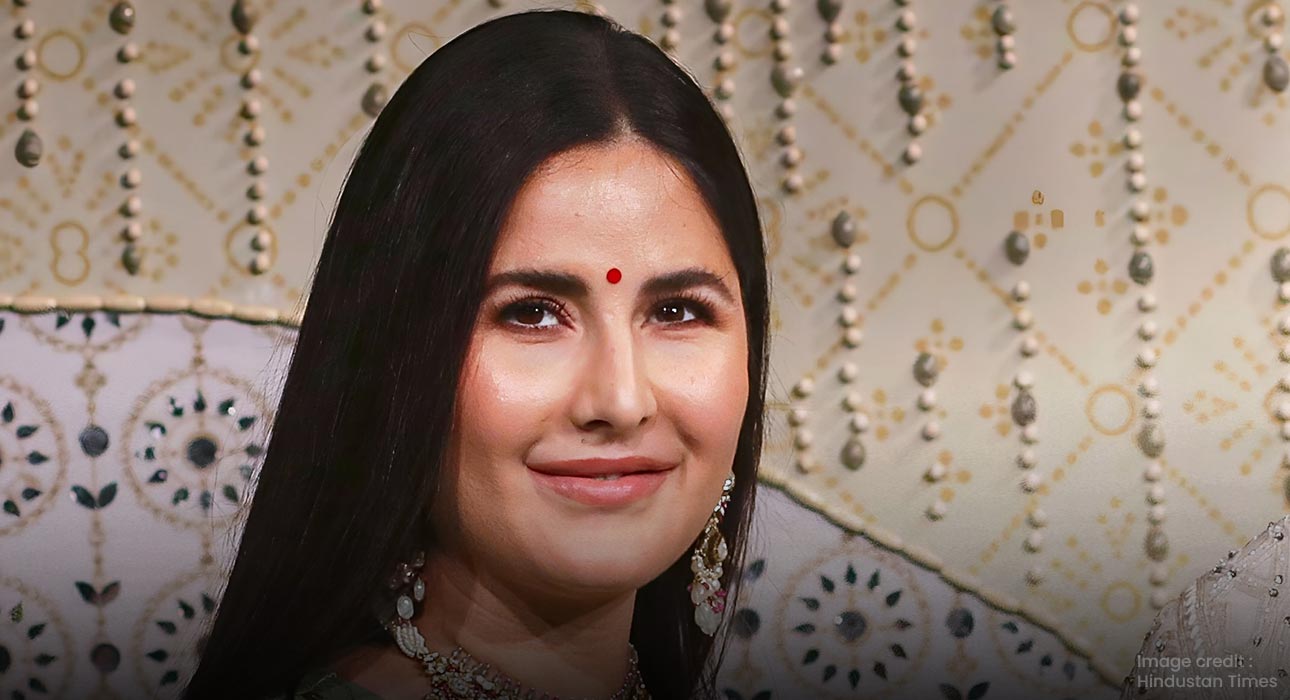
Esteemed Bollywood actress Katrina Kaif was recently trolled online after a viral picture showed changes before and after her pregnancy. Mothers online rushed to the rescue, defending the actress and highlighting how women’s post-pregnancy bodies are still subject to ridiculous judgment even in 2026.
Katrina Kaif’s recent pose at an Ambani party has shed light on the thinly veiled acceptance of women’s bodies in India. It goes on to expose several lapses in personal and societal perception in a digital age where awareness and knowledge are more accessible. This trolling also shows the illiteracy and ignorance that many people still possess when it comes to knowledge about women’s bodies after pregnancy.
Double Beauty Standards
The most highlighted theme was the many double standards women face after pregnancy, which is the most pressured and expected wifely duty after marriage. The Katrina Kaif issue has highlighted a darker reality in a country that reveres goddesses who are also mothers. This incident has called out the unfair and unrealistic expectations people place on women’s bodies after their pregnancy. It has also shown a selfish standard that is extremely harmful for women, with little regard for their mental or physical health.
Body Changes After Pregnancy
The human body is prone to change every minute, and the biological clock differs from person to person. Every woman undergoes a different kind of body change depending on her physical health and background. According to a Mumbai-based Women’s Health Physiotherapist, The Uterus grows in size as the pregnancy progresses and remains large even after childbirth. It shrinks naturally over time and depends on the individual’s lifestyle and environment, as told to Hindustan Times. Women who face illness or body-related issues will have different experiences than other women.
Post-Partum Condition
A study found that many mothers in India are often stressed due to societal and family pressure as well as media comparisons. The study highlighted how each body is unique and adjusts to changes at different paces. It also found that the most common fears among mothers were not being able to return to what they looked like before the pregnancy. The study found that the most common factor in India was the comparison and judgment that came from family and relatives on weight gain.
The Psychological Impact
Pregnancy has been romanticised by brands and influencers, but the reality that new mothers face after carrying a life inside for 9-months is often ignored. Several studies have found anxiety, depression and low self-esteem and confidence among new mothers. Many choose to remain at home after pregnancy to avoid harsh criticism and negative comments.
Body Perceptions In India
In a country so vast and diverse, body image and standards also vary from north to south, as can be seen in art and culture. In the north, women are expected to be slim and visually proportionate, while in the south, being underweight or too thin is regarded as not being healthy enough. It is unavoidable during pregnancy to put on weight, but the criticism may also vary according to state-wise body perceptions.
Women defend Women
While it was men and women who shamed Katrina Kaif, it was women who defended her against mindless trolling. As digital media becomes more vocal about many things, women have found it a powerful tool in busting myths and silencing haters. Some users even thanked the actress for not hiding her post-partum changes and inspiring them to do the same. Many called out the lack of basic knowledge regarding postpartum recovery.
Body-shaming in 2026
It was a common practice until a decade ago for people to resort to body-shaming, but in 2026, it only shows a slow and lazy reality. Online trolls who resort to body-shaming, according to studies and research, show signs of :
- Insecurity and fear of judgment
- Shaming others to make themselves feel better
- A pessimistic/narcisstic mindset
Conclusion
Mahatma Gandhi famously said, “Hear No Evil. See No Evil. Speak No Evil.” As digital power rises, more awareness and acceptance of women and their bodies through online sessions, education and basic communication must be normalised. The changes must start both at home and in schools, online campaigns and even the workplace. India proudly calls itself a motherland, and it is our hope that we do not disrespect the mothers of this land.
References +
- https://bbrc.in/body-shaming-and-its-trepidation-on-the-postpartum-condition-of-women-a-psychological-study/
- https://www.hindustantimes.com/lifestyle/health/katrina-kaif-before-and-after-pics-body-shaming-ambani-antilia-ganpati-women-slam-trolls-baby-weight-postpartum-body-101789545120864.html#google_vignette
- https://www.thehealthsite.com/pregnancy/ways-pregnant-women-are-body-shamed-in-india-d1117-531913/