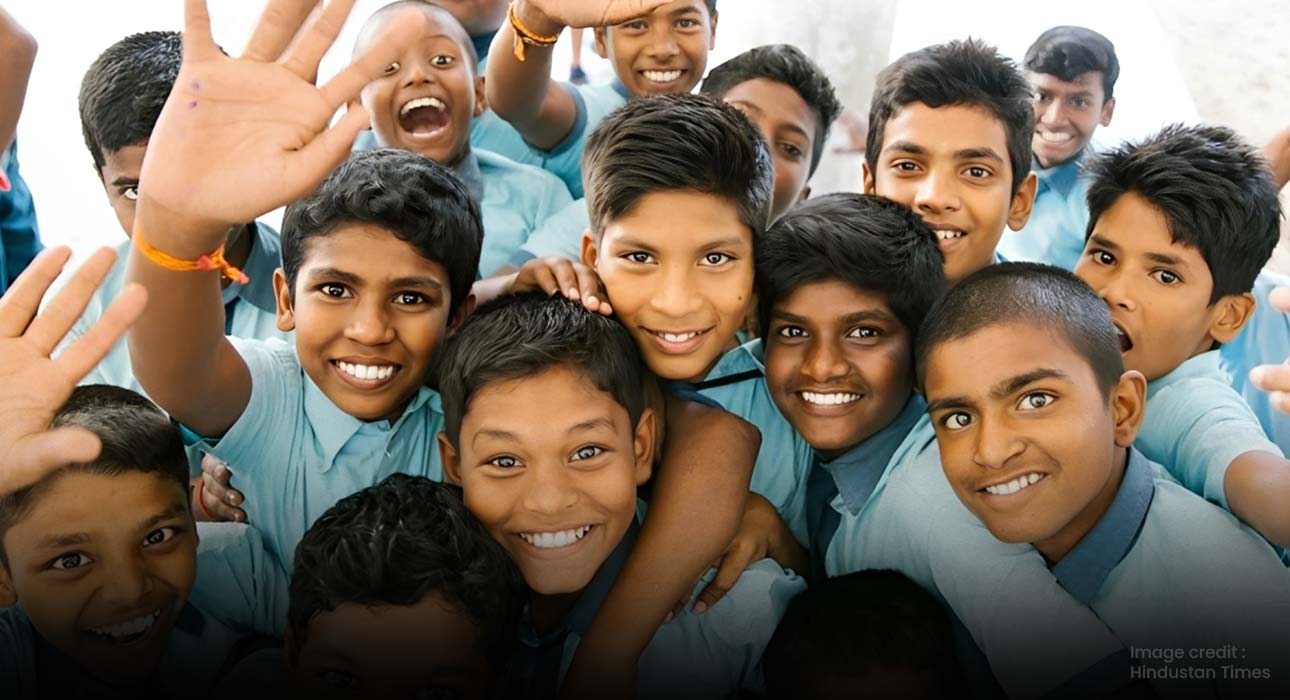
In a historic move, the Kerala State Commission for Protection of Child Rights has asked schools to allow boys and non-gender-conforming students to grow their hair. The directive comes after two petitions were filed regarding school rules and anti-gender-neutral discrimination. The commission has specifically asked schools to avoid mental or verbal harassment, punishment or discrimination of boys or non-binary students based on their choices.
The Kerala State Commission for Protection of Child Rights also asked schools to allow non-binary students to dress as per their preference. It highlighted that the focus must be on personal development and academic performance, not external appearance. The commission has given the schools 45 days to respond with an action report. The commission also stated that there were no clear existing guidelines on this by the Kerala Education Department or the CBSE.
The Positive Message
Kerala has become the first state to issue guidelines that are sensitive and empathetic to the changing times. The directives, once in effect, will create a safer and friendlier environment for students who are non-binary. Boys’ hair length has always been a topic that brings much harassment and forced shame upon students by elders. This move aims to end such a mindset by allowing male students to grow their hair, breaking gender-based length preferences. It also creates a safe environment within the Kerala education system for non-binary students. The Kerala Child Rights Commission also stated some rules for the students.
- Hair must be kept neat and clean
- No chemicals or harmful dyes should be used
- Hair must be tied during sports, laboratory classes, and practical classes
NCERT Manual On Transgender-Friendly Laws
The National Centre for Educational Research and Training introduced a transgender-friendly manual in 2023. The manual never saw the light of day after alleged criticism and backlash by conservative groups. The manual asked schools to provide gender-neutral uniforms, a transgender-inclusive curriculum, safe washrooms and prevention of violence. The core idea behind this was to integrate the third-gender into the school curriculum.
What is Non-Binary?
The term non-binary refers to gender identities that fall outside man or woman. Non means not, while binary refers to the two acknowledged genders, boy/man and girl/woman. Not everyone who identifies as non-binary may express themselves the same way, according to the Centre for Sexuality. Some non-binary people identify as a mix of man and woman (third gender), while some identify as agender or genderless. For many individuals, it is an internal feeling that differs from person to person.
Awareness Through Inclusion
This move by the Kerala Child Rights Commission is challenging old stereotypes that often harass and reject students instead of encouraging them. In India, many men who grow their hair are often rudely stereotyped as being gay. In many cities and towns, long hair is still labelled as feminine. The commission’s decision to allow non-binary students to choose their style of uniform also sets a great example. It creates a learning environment for both students, teachers, and even parents to be more accepting of students who do not fall into the typical gender norms.
Conclusion
This decision comes as a landmark move in India, where many people are still unaware and ignorant. The Kerala State Commission for Protection of Child Rights is creating a path for a more inclusive, empathetic future for all students, binary or not. It also acts as a wake-up call for other states to review their own guidelines and systems and modify them according to changing times and sensitivity.
References +
- https://www.centreforsexuality.ca/learning-centre/what-is-non-binary/
- https://www.hindustantimes.com/india-news/kerala-child-rights-panel-calls-for-gender-inclusive-rules-bars-schools-from-penalising-boys-over-hair-length-101789650937608.html
- https://www.indiatoday.in/amp/education-today/news/story/kerala-child-rights-panel-says-boys-gender-non-identifying-children-can-grow-hair-2997427-2026-09-18
- https://theprint.in/india/education/why-ncerts-teacher-training-manual-on-gender-has-sparked-a-controversy/2826119/
- https://swachhindia.ndtv.com/gender-neutral-uniforms-safe-washrooms-ncerts-manual-for-schools-on-transgender-students-73690/