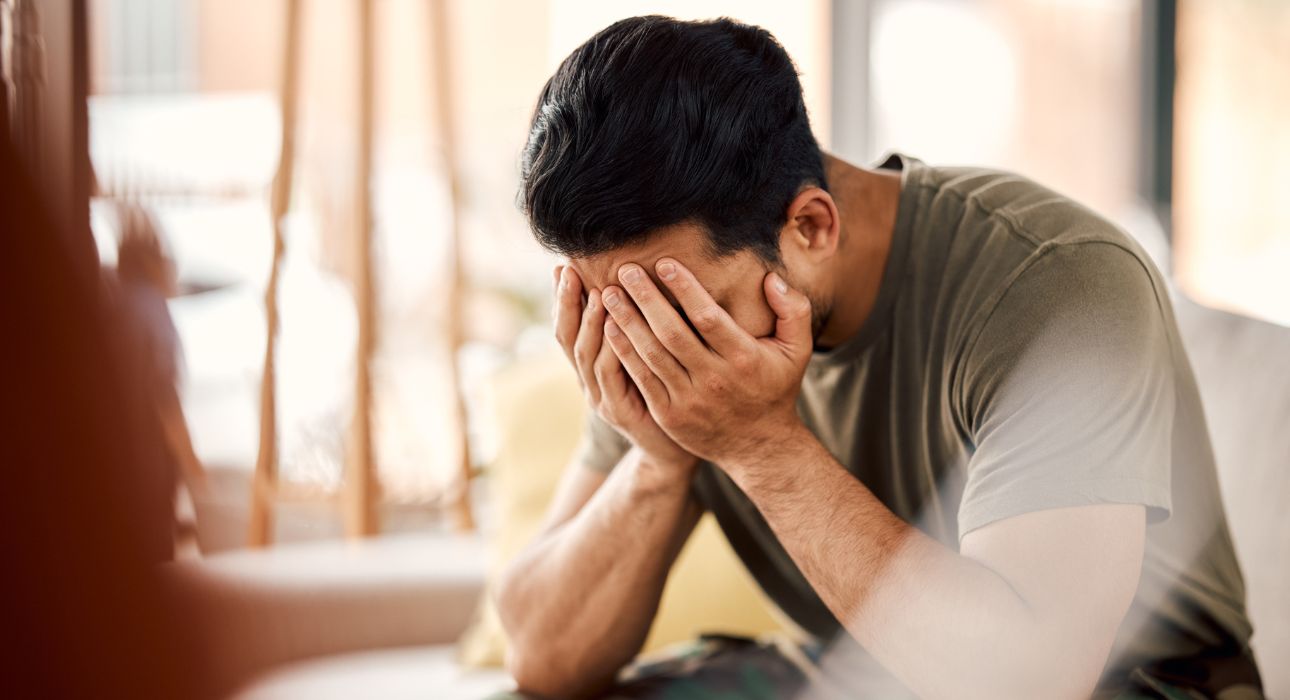
Physical injuries are visible. You can point to a broken bone, describe a tendon ligament, or show a scar. But what happens after the cast comes off or the wound closes is far less visible and, in many cases, far more complicated. The psychological aftermath of physical trauma does not follow the same timeline as tissue repair, and for a significant portion of people who experience serious bodily harm, the mental health consequences outlast the physical ones by months or even years.
This gap between physical recovery and psychological recovery is one that medical professionals, therapists, and researchers have been studying for decades. What they consistently find is that the body and mind are not separate systems healing on separate tracks. They are deeply interconnected, and when one is disrupted, the other responds. Ignoring that connection does not make the psychological consequences disappear. It’s just means they surface later, often in ways that are harder to treat.
The Brain Under Physical Stress
The moment the body experiences significant physical harm, the brain shifts into a state of acute stress response. Cortisol and adrenaline flood the system, the nervous system enters a heightened alert mode, and the brain begins encoding the experience as a threat memory. This is a survival mechanism, and in the short term, it serves a purpose. But when the threat has passed, and the body is healing, the brain does not always receive that message clearly. According to www.wardandsmithpersonalinjury.com, cases involving personal injury, whether from accidents, falls, or other traumatic incidents caused by external circumstances, often present this exact pattern, where the physical wound begins to close while the psychological response continues to intensify.
For many people, this neurological encoding becomes the foundation of longer-term psychological distress. Flashbacks, hypervigilance, disrupted sleep, and emotional reactivity are not signs of weakness. They are signs that the brain processed a threatening event and has not yet found a way to file it away as past rather than present. Psychologists refer to this pattern in various clinical contexts, and the research base supporting the relationship between physical trauma and prolonged psychological symptoms is substantial and growing.
What Recovery Actually Involves
Recovery from serious physical harm is rarely as linear as it appears from the outside. There are practical disruptions such as time away from work, reduced mobility, dependency on others, and financial pressure. Each of these carries its own psychological weight. Autonomy is lost. Routine is broken. Identity, particularly for people whose sense of self is tied to physical capability or professional role, can feel deeply destabilized.
What often goes unsaid in standard medical care is that these disruptions compound one another. A person dealing with chronic pain is also dealing with sleep loss, which affects mood regulation, which affects relationships, which increases isolation, which worsens the psychological response to pain. This cycle is not inevitable, but without proper psychological support alongside physical treatment, it becomes far more likely. Treating the injury in isolation leaves a significant part of the recovery unattended.
How Legal Accountability Intersects With Emotional Recovery
When harm is caused by another party’s negligence or recklessness, the psychological consequences take on an additional layer of complexity. Alongside the physical and emotional weight of the injury itself, there is the reality of dealing with systems and institutions while already vulnerable. The process of seeking accountability, documenting harm, and working with legal professionals introduces stress at a time when the nervous system is least equipped to handle it.
Lawyers who work in this space frequently encounter clients whose visible distress extends well beyond the physical injuries documented in medical reports. Pain and suffering, as it is described in legal contexts, is not a vague or exaggerated concept. It reflects a genuine and measurable reality that psychological research supports. The recognition that harm has both a physical and psychological dimension is something that both mental health professionals and legal practitioners working in this area understand from direct experience.
The Long Shadow of Chronic Pain
Chronic pain deserves particular attention in any honest discussion about physical trauma and mental health. When pain does not resolve within the expected timeframe, it stops being just a physical problem and becomes a psychological one as well. Research consistently shows that chronic pain is one of the strongest predictors of depression and anxiety, and the relationship runs in both directions. Untreated psychological distress can amplify the experience of pain, making it more intense and more resistant to standard interventions.
People living with chronic pain after an injury often describe a grief process that is rarely acknowledged. There is a version of their life they expected to return to, and when that return does not happen, or does not happen fully, there is a loss that deserves to be named and processed. Psychologists working with this population emphasize that validating this grief rather than rushing past it is often the foundation of meaningful psychological progress. Without that validation, many people remain stuck in a cycle where pain, frustration, and helplessness reinforce each other.
What Genuine Healing Requires
Genuine healing from physical trauma, particularly when that trauma was serious or caused by external circumstances, requires more than medical intervention. It requires a framework that takes psychological recovery as seriously as physical recovery, and it requires the people around the injured person, including healthcare providers, legal professionals, and loved ones, to understand that the two cannot be fully separated.
Mental health support in the aftermath of physical harm is not a luxury or an afterthought. It is a clinical necessity for a significant portion of people who experience it. Therapy modalities specifically designed for trauma, combined with honest conversations about what recovery realistically looks like, giving people the best chance of rebuilding not just their physical function but their sense of stability, agency, and self. That is what the research points to, and it is what the people who live through serious physical harm deserve to have access to.