LAUSANNE – A massive shift is coming to the world of sports. The International Olympic Committee (IOC) just dropped a policy that’s going to change elite competition forever. Starting with the 2028 Los Angeles Olympics, transgender women and athletes with Differences in Sex Development (DSD) are officially barred from female divisions. The IOC says this is a “scientific necessity” for fairness. But honestly? It’s sparking a huge, intense debate about identity, inclusion, and what this actually does to the mental health of these athletes. Although explained by the IOC as a scientific necessity to create fairness, the ruling sparks an intense discussion on identity, inclusion, and the psychological well-being of gender-different athletes.
Read More: How Paralympic Athletes Build Identity and Self-Concept Beyond Disability
The Science of the SRY Gene
The new requirement is based on a one-time, regular screening of the SRY (Sex-determining Region Y) gene. The male physical development is usually triggered by the presence of this gene in the Y chromosome. According to the new rules, the absence of this gene, which is confirmed by medical screening, is what makes one eligible for the female category.
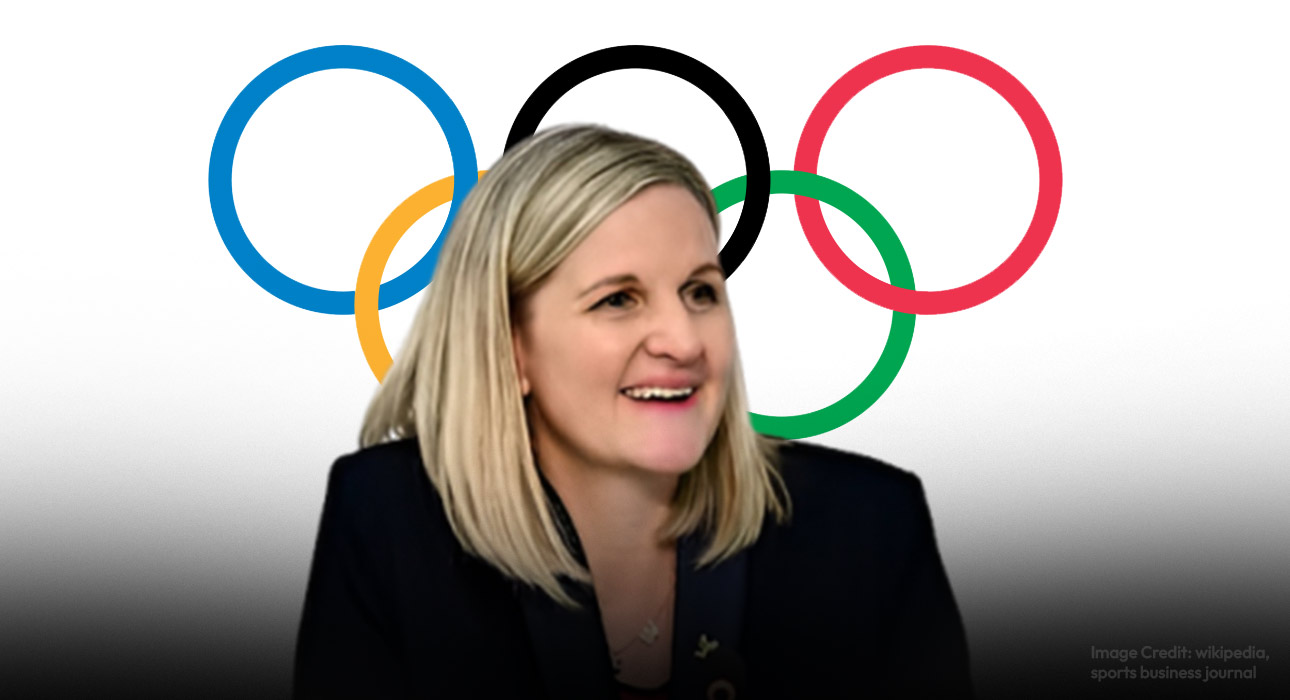
The decision was justified by the IOC President, Kirsty Coventry, who said, as an ex-athlete, I strongly believe in fair competition. It would not be just in case biological males compete in the female category. This biological-first approach is a break from past guidelines, which centred on testosterone suppression, a change that transforms the discussion from hormonal control into chromosomal inflexibility.
The Indian Context: A Shift of Policy Parallel
Such an international trend in favour of biological standards reflects one of the major changes in Indian legislation that is going on at the moment. On March 25, 2026, the Rajya Sabha approved the Transgender Persons (Protection of Rights) Amendment Bill, 2026, after it was passed in the Lok Sabha.
More importantly, this revised amendment abandons the concept of ‘self-perceived gender identity’ established in the 2019 Act, mandating a medical board assessment for legal recognition. The new course of the Indian government that defines a transgender individual as one with certain biological or physiological characteristics is very similar to the restrictive definition of the IOC that follows a biological structure.
In the case of the athletes, this adds a compounding psychological load. As the international sporting bodies and the national laws shift to medical gatekeeping, there is a potential to create a serious Minority Stress as a psychological phenomenon where members of marginalised groups feel a chronically elevated stress level because of the institutional exclusion and the relegation of their lived identity.
Read More: Mental Health of LGBTQIA+: The Challenges and Possible Solutions
Echoes of Paris 2024
The announcement comes at a pivotal moment, as the 2024 Olympics in Paris were shrouded in significant controversy. Headlines about boxers Imane Khelif and Lin Yu-ting. Those who faced strong international criticism and gender policing were in the news throughout the Games.
These incidents show how an unhealthy environment can arise when biological markers determine identity. Psychologically, prioritising lab findings over an individual’s long-term social and psychological reality may lead to feelings of identity loss. Although the IOC has stated that it will offer counselling along with the screening exercise. There are fears that a support session will not help to suppress the trauma of receiving information on how your identity is second to a chromosomal test.
A Historic Crossroads
With the move of the sporting world towards LA28, the theme is retained on the sanctity of fair play. Nevertheless, the overlapping of the IOC ban and the Amendment Bill of 2026 proposed in India points to a larger trend of medicalisation of gender in the world. The question that arises tomorrow will be how to support the athletes caught in this crossfire. Those for whom the smallest differences will not be between winning and losing. But between societal acceptance and the deprivation of their right to self-identify.
References +
International Olympic Committee. (2026, March 26). International Olympic Committee announces new policy on the protection of the female (women’s) category in Olympic sport [Press release].
Meyer, I. H. (2003). Prejudice, social stress, and mental health in lesbian, gay, and bisexual populations: Conceptual issues and research evidence. Psychological Bulletin, 129(5), 674–697. https://doi.org/10.1037/0033-2909.129.5.674
PRS Legislative Research. (2026, March 13). The Transgender Persons (Protection of Rights) Amendment Bill, 2026 [Bill summary]. https://prsindia.org/billtrack/the-transgender-persons-protection-of-rights-amendment-bill-2026
Raj, P. (2026, March 26). Transgender women banned from competing in female categories at Olympics, citing fairness concerns. The Indian Express. https://indianexpress.com/article/sports/sport-others/transgender-women-banned-female-olympics-10603245/