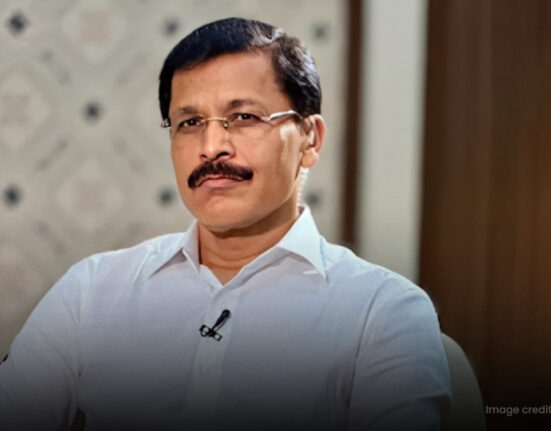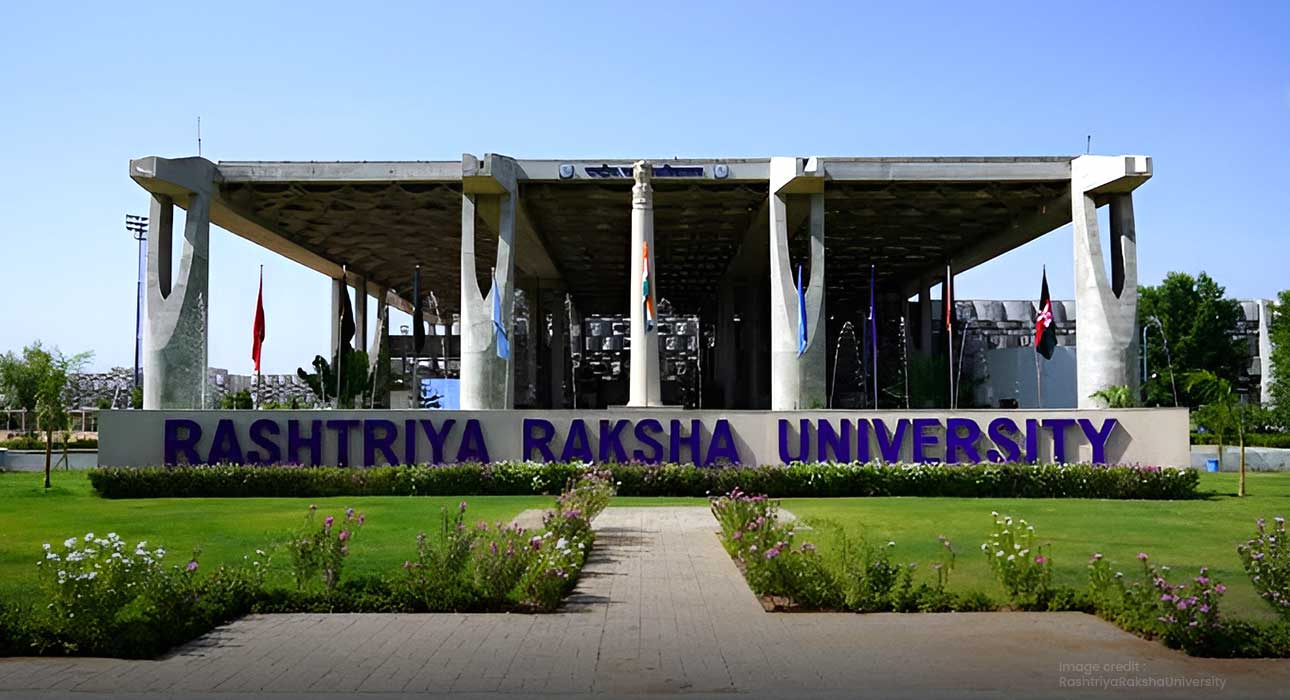
This is an important development to understand and resolve the mental health issues of the inmates: The Rashtriya Raksha University (RRU) at Gandhinagar, Gujarat, and the Madhya Pradesh Jail Department signed the Memorandum of Understanding (MoU) in Bhopal. The MoU will provide extensive training in psychosocial counselling, and selected prison personnel will be trained in such counselling at RRU, specifically in the psychological difficulties of the individuals who are incarcerated and also in need of psychological aid. This is directly related to psychology and public health since psychologists and public health experts regularly struggle to deal with mentally unstable prisoners.
Mental Health Concerns of Prisoners
Prisoners in India are prone to develop high amounts of mental anguish owing to problems of overcrowding, segregation, uncertainty, and distance from loved ones, society, and so forth. As observed, prisoners possess a higher chance of suffering from depression, anxiety, post-traumatic stress, and suicidal tendencies as against the general population. In India, however, mental health service provisions within prisons do not suffice; in only a handful of institutions does any form of systematic psychosocial support exist.
This deficit is now being addressed in Madhya Pradesh by the Director General of Prisons and Correctional Services, Varun Kapoor. Based on research conducted by the RRU on the Psychosocial Counselling Scheme, conducted under the Union Home Ministry, he called in an expert from the university to provide training during July 6-July 12, 2016, at the Regional Institute of Prison Management and Research in Bhopal for the Regional Institute of Prison Management and Research, Bhopal, for a span of seven days. 28 participants, such as nurses, pharmacists, lab technicians, head guards, guards, etc., attended the training pilot and later conducted visits to different jails for counselling psychologically distressed prisoners on a pilot basis. The participants’ feedback highlighted positive change, leading to formalisation through MoU.
Master Trainer Course for Employees in Prison
Under the MoU, the officers and employees of the Madhya Pradesh Jail Department nominated by the Department will undergo an intensive master trainer course at the RRU, Gandhinagar. The trained master trainers will then cascade these skills further to the other employees in the jail department in the state.
The immediate and very important outcome of this project will be the setup of the first Psychosocial Counselling Centre of the Jail Department at the Central Jail in Bhopal. This system of counselling centres would then be replicated in all jails of the state in a subsequent phase. The ceremony of signing the MoU saw the presence of Kapoor, the Special Director General G. Akheto Sema, as well as other officers from the Prison Department, along with Shubham Jain from the RRU.
Read More: The Mental Health of Prison Professionals
Emphasis on Rehabilitation Service
This program signals a paradigm shift for the Indian prison system; it should no longer be primarily about custody but should also cater to rehabilitation and therapeutic well-being. The program empowers prison personnel, the most frequent contact for troubled individuals, with training in basic psychosocial counselling, thereby enabling them to identify problems faster and provide appropriate treatment.
Psychologically, trained counsellors working inside prisons can decrease stigmatisation around obtaining mental health treatment, aid offenders with problem-solving abilities, and probably bring down incidents of self-harm. On a community level, healthier offenders might have fewer repeat offences and may transition out of the correctional system more quickly, which fits into the restorative justice way of thinking.
Challenges in Implementation
The immediate next task: the first batch of trained officers will be sent to RRU to participate in the Master Trainer Course and subsequently provide training to the staff. The setting up of the Psychosocial Counselling Centre in the Bhopal Central Jail will act as a model that will be reproduced in all the other jails.
Possible limitations include securing sustainable funding, sustaining the quality of training at scale, and dealing with high inmate-counsellor ratios, which are still possible even after expansion. Experts advise using inmate feedback, mental health outcome measures, and caseworkers’ performance appraisals to periodically assess the impact of the intervention. Successful long-term use will be reliant upon institutional will, integration with other healthcare, and potentially a partnership with civil society organisations with expertise in prison mental health.
Counselling Centres in Prison
By training jail staff as master trainers and setting up counselling centres, the MoU between Rashtriya Raksha University and the Madhya Pradesh Jail Department has begun a modern and evidence-based path to incorporate mental health care into prisons. This initiative is essential for prisoners and can be imitated by various states. In the end, this initiative makes us understand that mental health is one of the best things we can call the most important aspects of dignity, and no one should remain excluded; in all spheres, to flourish, institutions and society, everyone needs psychological well-being.
References +
PTI. (2026, August 20). Rashtriya Raksha University to train MP officials to improve mental health of distressed prisoners. theprint. ThePrint. https://theprint.in/india/rashtriya-raksha-university-to-train-mp-officials-to-improve-mental-h ealth-of-distressed-prisoners/3020934/