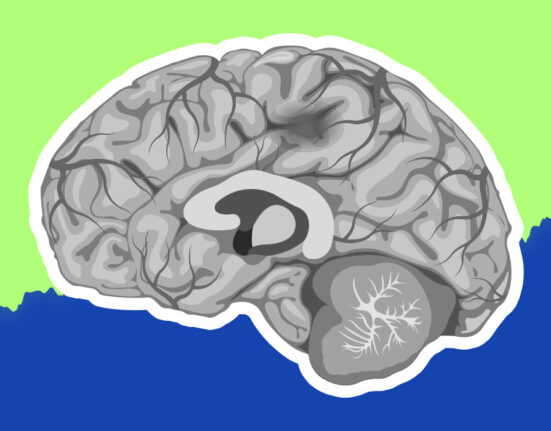
This research explores how the brain represents and processes multiple languages and how new neurotechnology can reveal these language patterns. Rather than thinking of language processing as a single, fixed function in the brain, this study shows that different languages can be represented in complex and overlapping neural circuits. By using advanced brain monitoring techniques, scientists are gaining insight into how the brain organises multiple languages and what this means for communication, cognitive flexibility and technology that interacts directly with the brain.
Read more: The Multilingual Brain: How Indian Children Juggle Multiple Languages and Scripts
Understanding Languages and the Brain
The human brain has an incredible ability to learn and use more than one language. Multilingual individuals can switch between languages, understand different grammatical structures, and interpret unique sounds all in real time. Traditional neuroscience has identified general areas in the brain related to language, such as speech production and comprehension regions. However, how multiple languages are mapped and processed simultaneously has been less clear. This study focuses on how neural patterns vary when different languages are processed and how neurotechnology can help identify these patterns.
Research Details
The research used a combination of neural recording technologies (such as EEG or other advanced brain scanning tools) to monitor brain activity while participants processed different languages. This neurotechnology allowed the scientists to capture real-time signals from neural circuits associated with language comprehension and production. By comparing these signals across multiple languages, the researchers explored how the brain tracks and differentiates between linguistic systems. The study did not focus on one language alone but examined how multiple languages are represented in the same brain.
Major Findings
The research indicates that the brain’s processing of multiple languages involves both shared and distinct neural representations. Neural signals related to language vary depending on the linguistic features being processed, yet there are overlapping patterns that reflect core language functions. Advanced neurotechnology enables scientists to observe these dynamics with greater precision, revealing how the brain handles the complexity of multilingual communication.
Authors’ Perspective
The authors argue that understanding multilingual brain signals can transform the way language and cognition are studied. They highlight that cognitive flexibility in multilingual individuals is rooted in dynamic neural networks rather than static language modules. According to the authors, insights from neurotechnology not only improve understanding of multilingual processing but also have implications for brain-computer interfaces, language learning support and rehabilitation for individuals with language impairments.
Conclusion
This research highlights the complexity of how the brain processes language, especially in people who use multiple languages. Rather than relying on a single language system, the brain dynamically engages multiple overlapping and distinct neural circuits. Neurotechnology has made it possible to observe these patterns in real time, offering deeper insight into human cognition and communication. These findings could influence future tools for language education, neurorehabilitation and technology that bridges the gap between brains and computers.