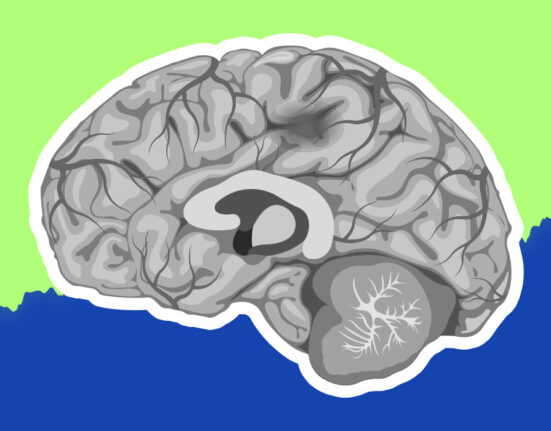
For a long period of time, people have been extremely persistent in maintaining the belief that the feeling of loneliness makes a person age faster, rather than at the normal pace of ageing. These belief systems are mainly developed due to the decrease in mental focus of individuals who suffer from loneliness. However, a new study conducted on the adult population in European countries presented people with surprising new information that proved this belief to be contrary to the results.
Isolated Brains: Worse Memory, Similar Decline Rates
A research which was conducted by the Taylor & Francis group on the topic of whether loneliness causes memory deficits and makes a person age faster gave surprising results to the people, which challenged stereotypes. For the research, the neurologists studied a huge and wide bulk of quantitative data, which was collected from among ten thousand European people, who were mainly adults. This data was collected over the time period of not days or months but of 7 years, starting from 2012 to 2019. The study analysed the topic in great detail & presented people with contrary and opposite results from their common beliefs.
Read More: Loneliness: A Dual Threat to Mental and Physical Health
Research details
The researchers tracked the data from 10 thousand two hundred and seventeen people during the conduct of this study. These subjects aged between 65 and 94 and were from various European countries, and not just from a single one. The authors of this study from the Universidad del Rosario in Colombia, the Clinica Universitaria de Navarra and Universitat de Valencia in Spain and the Karolinska Institute in Sweden suggested upon the conducting loneliness screening regularly. These helped in keeping the data and results consistent, and kept the changes in mental abilities of the older adults in constant focus.
The data for this research were collected for almost 7 years from 2012 to 2019, through a longitudinal survey which was launched in 2002. During this research, the neurologists examined the health conditions of Europeans and their ageing. The people upon whom this research was conducted were citizens of Germany, Spain, Sweden and Slovenia & many other countries, which were divided into 4 groups according to their geographical location for this research. These four groups were basically termed as the central region, the southern region, the northern region, and the eastern region.
The participants were also tested through reading aloud 10 words in a list within a minute and keeping a check on how many words they could recall from that list. Another way through which the researchers extracted information from their subjects was through questioning sessions to measure the levels of their loneliness; they listed this in 3 different categories: low, medium and high.
Apart from all these other factors that helped the scientists while conducting this research, the engagement of subjects in physical and social activities had an influence on the research, which was hard to ignore.
Major findings
The findings from this research were also published in the Ageing and Mental Health journal. The results of the research put a heavy emphasis on how loneliness impacted the memory of people, but not the speed of their cognitive decline. It is suggested that the feeling of loneliness plays no doubt an important role in the initial state of a person’s memory, but it does not lead them towards a progressive decline. The researchers found that Southern European people had the highest rates of loneliness, this was followed by the eastern people secondly and similarly, the 3rd position was taken by Northern Europeans, the last were, people from Central European regions.
Read More: The Dementia Shield: Lifestyle Strategies for Cognitive Health Across the Lifespan
Author’s perspective
The authors stated that the research conducted by them treated the subject of loneliness as a topic that does not change over the period of time. The author also commented that the perceptions the real world holds of the feeling of loneliness can change with shifts in personal as well as environmental characteristics of people across different stages of their lives.
Conclusion
The research gave a clear distinction that isolation does not cause the risk of dementia and cognitive decline among people. The results of the research put a heavy emphasis on how loneliness impacted the memory of people, but not the speed of their cognitive decline.