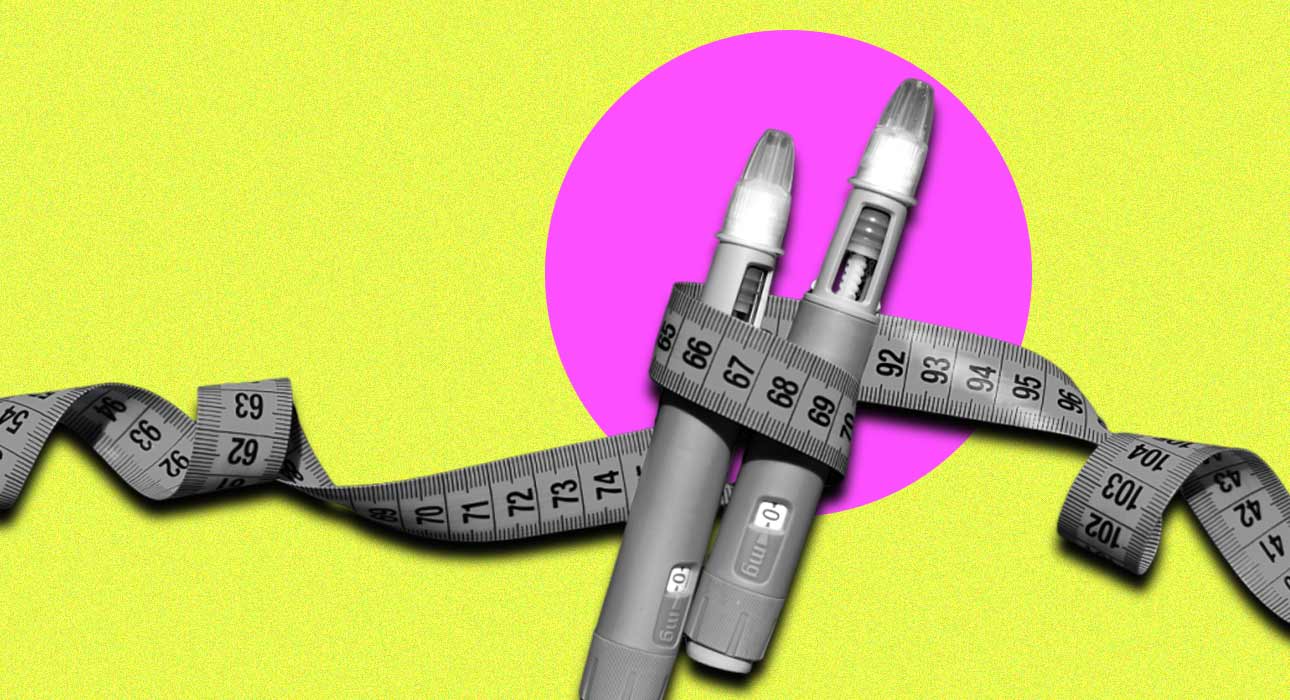
In the past few months, more than 20% of the questions have been received from brides-to-be about obesity injections, and they are actually open about when they will be getting hitched. This isn’t a fashion magazine quote; it’s a quote from a bariatric surgeon in New Delhi to Reuters in 2026 (Reuters, 2026). The addition of Mounjaro bride (tirzepatide), a prescription weight-loss injection developed clinically for the treatment of chronic obesity and type 2 diabetes, to the toolbox of a bride’s preparation has sparked a new trend in the major cities of India. These injections have been put into ‘bridal transformation’ packages at wellness clinics. But behind this marketing is a much deeper psychological narrative that surrounds body anxiety, perfectionism, self-worth and a culture that’s telling brides that their body is a problem that needs to be solved before the big day.
Read More: The Connection Between Obesity and Mental Health
Why the Big Day is the Body’s Pressure Cooker
No one can say more about the wedding than the people who’ve recently been married. These are clearly noticeable, lasting and carry with them social expectations of what the people involved should look like, do and feel. Almost half of prospective brides state that they wish to lose weight before marriage, not due to medical recommendations to do so, but as a result of the social pressure to look “the right way” on their big day (Prichard & Tiggemann, 2014). Importantly, research also indicates that brides who receive diet advice from others before their wedding have been shown to gain an increased amount of weight in the months following the wedding, which is similar to the psychological damage caused by dieting pressure and limited eating (Prichard & Tiggemann, 2014).
Why Brides Feel Constantly Watched
Psychologists call this the process of self-objectification– the person begins to perceive their body as a visual object, as someone else would see it, to estimate and judge it. Fredrickson and Roberts’ (1997) objectification theory states that women are socialised to pay attention to their appearance from a young age, as if someone is looking at them from the outside. This is greatly amplified at the time of marriage. The bride is the most photographed, watched and talked about person in the room. This is a perfect storm for a woman already self-objectified, and research has shown that self-objectification is directly associated with greater body shame, anxiety and eating disorders (Fredrickson & Roberts, 1997).
This has been exacerbated by social media. Wedding albums are no longer a private family moment, but a public, permanent and often performative moment. Now, a bride’s looks are compared to various influencers, comments from strangers, and the understated but all-encompassing standard of a “perfect” bride’s body online. Researchers point out that this setting does not require that a woman take extreme measures, but rather strongly encourages her to do so (News First Prime, 2026).
Then there’s body disciplining- the normalisation of other people’s expectations of a woman’s body and putting pressure on her to conform to them before her wedding day. Repeat the same message, over and over again, over the course of months- your body as it is, is not enough (Piran et al., 2023).
The fear of being judged, perfectionism, and self-worth
Most people would relate perfectionism to high achievers and tidiness. But in psychology, its darker side is there. Maladaptive perfectionism (which is damaging) isn’t a matter of trying to look good; it is the notion that states that attaches one’s self worth to failure (Hewitt & Flett, 1991).
The consistent findings in research suggest a relationship between appearance-based perfectionism and fear of negative evaluation, which is the high level of concern about how others regard one’s appearance (Yang & Stoeber, 2012). Women have a stronger association between the perception and fear of being judged on appearance than men do. But a marriage is a circumstance wherein the woman is literally at the centre of attention for the whole day. The Mounjaro injection, the quick and dependable guarantee, is an appealing reply to that dread.
This is also where the idea of “contingent self-worth” is relevant. Contingent self-worth is when a person’s self-esteem and value as a human hinge on a certain condition, here being their appearance. If someone’s worth depends on his or her appearance, the consequences of not looking good enough are immense. Crocker & Wolfe (2001) reported that individuals with highly appearance-contingent self-worth reported higher levels of anxiety, higher levels of shame, and higher emotional instability, compared to others who had fewer external bases for their self-worth.
How Clinics Sell the Drug and What Psychology Says About It
Mounjaro (tirzepatide) is a dual-action drug that mimics two gut hormones, GLP-1 and GIP, that control appetite and blood sugar. In clinical studies with obesity or type 2 diabetes patients. It led to an average weight loss ranging from 15–20% of body weight (Jastreboff et al., 2022). It is a really potent medical instrument for the right patient. The issue comes when it becomes a cosmetic item for a healthy-weight bride who is on a time frame.
Clinical advertisements for “Mounjaro bride” programs, which incorporate the injection into nutrition plans and exercises, are playing out the nexus of med and picture anxiety. Words such as “transformation,” “confidence,” and “feeling your best” were carefully selected to market this prescription drug as a “wellness” product and a personal choice. This type of messaging is known as the empowerment trap, according to psychologists, a socially imposed pressure (lose weight for one’s wedding) being called self-improvement and individual agency (Newsfirst Prime, 2026). It’s a personal choice, but a collective pressure.
The Hidden Costs of a Quick Fix
The health issues are quite legitimate. Tirzepatide can cause side effects such as nausea, vomiting, digestive upset and tiredness. There are very few long-term safety studies on the use of it as a cosmetic product among nondiabetics or those not clinically obese. The medical fraternity in India has expressed concern over the use of the drug outside its approved indications, counterfeit drugs being available in the market, and the lack of proper clinical assessment before prescription (Medindia, 2026).
Researchers have also identified long-term psychological repercussions. Research on weight pressure before the wedding day always indicates that when brides are advised or forced to shed weight for their wedding, they are more likely to experience weight and body image problems post-wedding (Prichard & Tiggemann, 2014). A wedding is no longer a way of life. It becomes a deadline, and after the wedding, the drug and the driving force are gone. What is left behind is a body that might have suffered from a lot of metabolic changes and an image of self that was never corrected.
Conclusion
The Mounjaro bride trend is about the expectations for women when they’re at their youngest and their oldest, and what it is they feel they should be willing to do for us to find them adequate. The psychology is rather easy to understand- an objectification of female bodies, a wedding that’s ripe for the spotlight. It’s a sense of perfection that equates self-worth with looks, and a market poised to cash in on that worry with a needle and a package deal.
References +
- Crocker, J., & Wolfe, C. T. (2001). Contingencies of self-worth. Psychological Review, 108(3), 593–623. https://doi.org/10.1037/0033-295X.108.3.593
- Farzam, K., & Patel, P. (2024). Tirzepatide. In StatPearls [Internet]. StatPearls Publishing. https://www.ncbi.nlm.nih.gov/books/NBK585056/
- Fredrickson, B. L., & Roberts, T. A. (1997). Objectification theory: Toward understanding women’s lived experiences and mental health risks. Psychology of Women Quarterly, 21(2), 173–206. https://doi.org/10.1111/j.1471-6402.1997.tb00108.x
- Hewitt, P. L., & Flett, G. L. (1991). Perfectionism in the self and social contexts: Conceptualisation, assessment, and association with psychopathology. Journal of Personality and Social Psychology, 60(3), 456–470. https://doi.org/10.1037/0022-3514.60.3.456
- Jastreboff, A. M., Aronne, L. J., Ahmad, N. N., Wharton, S., Connery, L., Alves, B., … Tirzepatide Once Weekly for the Treatment of Obesity. (2022). New England Journal of Medicine, 387(3), 205–216. https://doi.org/10.1056/NEJMoa2206038
- Medindia. (2026, April 10). The rise of the ‘Mounjaro bride’ and the cost of quick weight loss. https://www.medindia.net/news/healthwatch/the-rise-of-the mounjaro-bride-and-the-cost-of-quick-weight-loss-223006-1.htm
- Piran, N., Teall, T. L., & Counsell, A. (2023). The experience of embodiment scale: Multidimensional assessment of positive embodiment. Body Image, 44, 168–185. https://doi.org/10.1016/j.bodyim.2022.12.005
- Prichard, I., & Tiggemann, M. (2014). Wedding-related weight change: The ups and downs of love. Body Image, 11(2), 179–182. https://doi.org/10.1016/j.bodyim.2013.11.004
- Reuters. (2026, April 7). Mounjaro becomes part of Indian wedding prep as brides targeted by weight-loss jabs. https://www.lbc.co.uk/article/mounjaro indian-wedding-prep-brides-targeted-by-weight-loss-jabs
- Yang, H., & Stoeber, J. (2012). The Physical Appearance Perfectionism Scale: Development and preliminary validation. Journal of Psychopathology and Behavioural Assessment, 34(1), 69–83. https://doi.org/10.1007/s10862-011-9260- 7