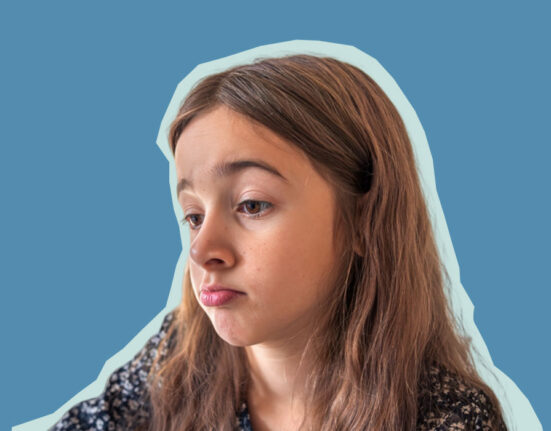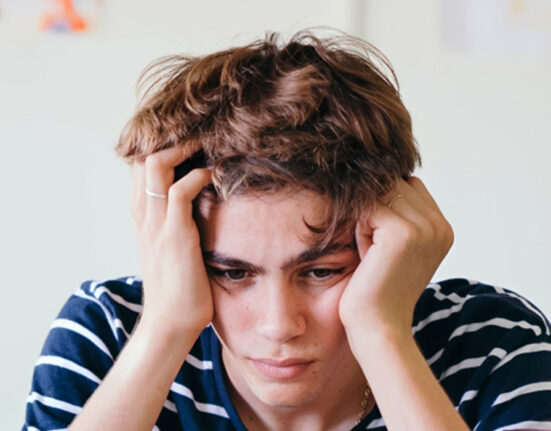
It takes a village to raise a child, but only when every villager knows their role. It is the story of a 9-year-old student named Zara who was facing challenges at her primary school. Her teachers thought she needed therapy sessions with a counsellor because of emotional struggles. After several sessions, the counsellor observed that Zara’s real problem was not psychological but academic. She was diagnosed with a learning disability that required specialised teaching strategies and a special educator who could implement them (Mitchell, 2012).
This experience is common. Many children face similar confusion when learning disabilities are mistaken for emotional struggles, leaving them untreated. In today’s world, where awareness of mental health has increased, there must be a clear boundary between these two roles. Misunderstanding their responsibilities delays proper help and affects a child’s growth (Coşkun, 2010).
Read More: School Counsellor Role in Early Detection of Mental Health Disorders
Who is a Special Educator?
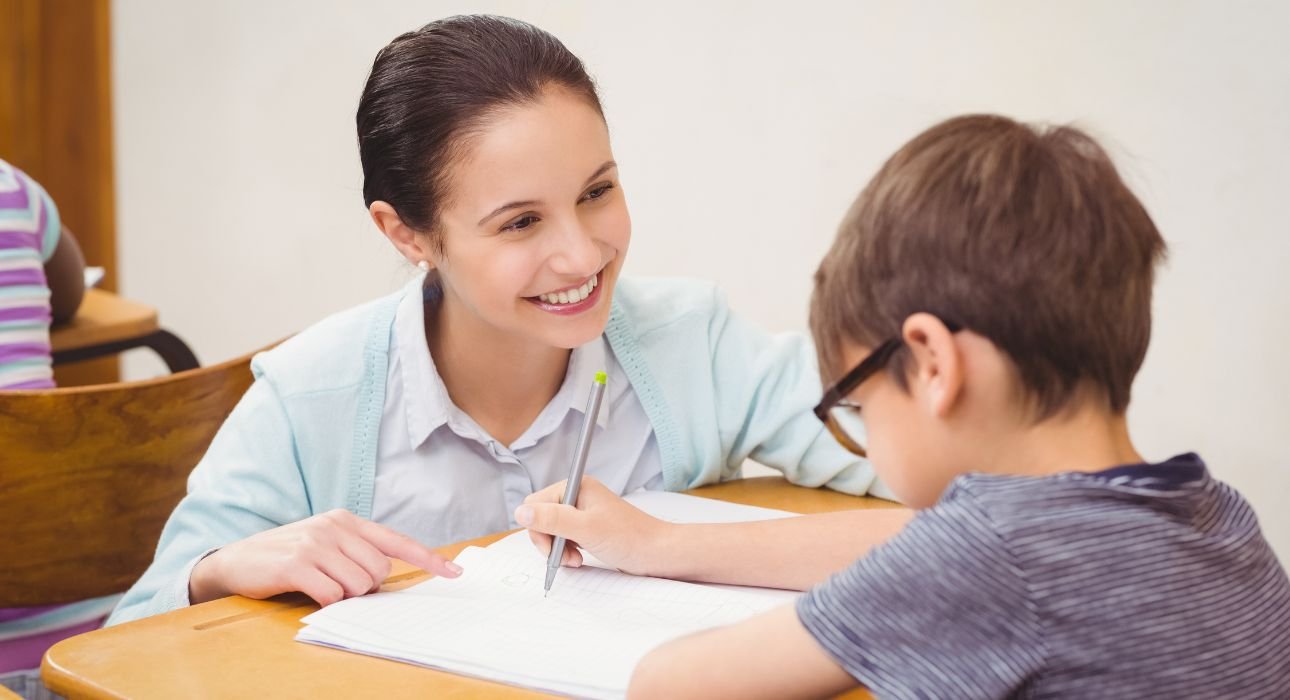
A special educator provides education and training to students with disabilities through special strategies and methodologies. They use tailored teaching methods and curriculum designed for students with special abilities (Mitchell, 2012). Their role involves bridging the gap between abilities and academic expectations, facilitating collaborative learning environments, and simplifying complex concepts. Children with autism, for instance, are often taught in sensory-friendly and structured environments to support their unique learning needs (National Association of Special Education Teachers [NASET], 2006).
Beyond teaching, special educators create a friendly atmosphere where students can improve their confidence and learn collaboratively with others. Special educators generally receive professional training such as B.Ed. in Special Education or equivalent certification, which prepares them to work with diverse learning needs through structured, research-based methods (Parallel Learning, n.d.).
Read More: Exceptionality: Special Education Insights
Who is a Counsellor?
A school counsellor is trained to enhance students’ emotional and mental health. They help students manage stress, academic pressure, and emotional well-being (Johnson, 2022). Counsellors guide students to cope with anxiety, bullying, and self-esteem issues. While special educators focus on academic development, counsellors deal with emotional well-being and personality growth.
They conduct one-on-one therapy sessions to help students manage their emotions and mental struggles (Coşkun, 2010). For example, while a special educator helps a dyslexic child with reading and writing, a counsellor helps that child manage stress and build confidence (Tang, 2021). Counsellors usually hold qualifications such as a master’s degree in psychology, guidance, or counselling, which equips them with therapeutic and emotional support skills (Johnson, 2022).
Read More: One School Counsellor, Hundreds of Minds – Is It Enough for an Entire School
Why Does the Confusion Exist?
The confusion arises because the roles of a special educator and counsellor overlap in practice. A child struggling mentally may perform poorly academically, and one facing learning difficulties may also show emotional distress (Barrow & Mamlin, 2008). Parents often feel unsure about whom to approach first. In many schools with limited resources, one person performs both jobs.
A special educator may also counsel students, while a counsellor may be asked to focus on academics (Rubin, 2024). Institutional ambiguity adds to the confusion, as some schools merge the roles into one, compromising service quality and increasing workload. Handling both roles is also ethically incorrect because counselling requires non-judgmental presence, neutrality, and unbiased listening conditions that may not be possible when one person evaluates both academic and emotional concerns (Greiner & Hatton, 2023).
The Core Differences
Though their goals align, their purpose, training, and scope differ. A special educator focuses on academic performance and how a student learns. A counsellor focuses on emotional health, how a student feels (Tang, 2021). Special educators address learning disabilities such as dyslexia or ADHD through specialised instructional strategies (Mitchell, 2012). Counsellors help students overcome emotional challenges such as stress and anxiety, so these issues do not hinder learning (Johnson, 2022).
Why Both Roles Are Essential
Current schools increasingly employ both special educators and counsellors because education is not just about grades; it is about holistic development (Parallel Learning, n.d.). A child cannot learn effectively if struggling emotionally, and emotional well-being is strengthened by academic confidence.
Many school boards, including CBSE and others, have made it mandatory to hire both professionals. However, the work assigned to them in practice often differs from their actual training and defined responsibilities (Lighthouse Therapy, 2025).
Special educators focus on learning barriers like dyslexia and ADHD, while counsellors ensure emotional stability and self-esteem (Parallel Learning, n.d.; Lighthouse Therapy, 2025). When both professionals collaborate, students perform better academically and emotionally. Studies show that schools where educators and counsellors work together report lower dropout rates and improved student well-being (Greiner & Hatton, 2023; Tang, 2021).
Read More: New Study Exploring Brain Plasticity in Developmental Dyslexia
Bridging the Gap
Institutions can bridge the gap between these roles through:
- Clear job descriptions defining each professional’s duties (Barrow & Mamlin, 2008).
- Teamwork and collaboration among teachers, educators, and counsellors.
- Training programs for staff and parents about child psychology and learning needs (Coşkun, 2010).
- Personalised support, including therapy sessions and individualised learning plans.
- Training school leaders, including management and principals, to understand role boundaries (Greiner & Hatton, 2023).
- Teaching students when to seek help from a special educator and when to approach a counsellor (Tang, 2021).
Such practices not only support students but also improve school culture by ensuring everyone knows their responsibilities.
Conclusion
The blurred boundaries between the roles of a special educator and a counselor must be cleared. Without understanding the difference, it becomes difficult to identify the root cause of a child’s struggle. Both roles are equally important in a child’s development (Parallel Learning, n.d.). Academic performance is closely tied to emotional well-being. A child who is emotionally unsettled cannot focus on studies, and a child who struggles academically may feel discouraged and stressed (Johnson, 2022). For healthy development, both aspects need equal attention.
When these roles are misunderstood, students face unnecessary challenges in their academic and emotional growth. Schools must understand when a child needs specialised instruction and when they need therapeutic support. Parents and families must also be educated, as their involvement is essential. Education is not just about grades. It is about nurturing children as whole individuals, emotionally and academically. Both dimensions must coexist for true growth and learning (Greiner & Hatton, 2023).
References +
Barrow, J., & Mamlin, N. (2008). Collaboration between professional school counsellors and special education teachers. American Counselling Association. https://manifold.counseling.org/read/collaboration-between-professional-school counselors-and-special-education-teachers
Coşkun, Y. D. (2010). School counsellors’ views about the individualised educational programme. Procedia – Social and Behavioural Sciences, 9, 1844–1848. https://doi.org/10.1016/j.sbspro.2010.12.413
Greiner, A., & Hatton, C. (2023). The school counsellor’s role in serving students with disabilities. School Counsellor Magazine. https://www.schoolcounselor.org/Magazines/May-June-2023/The-School-Counselor-s Role-in-Serving-Students-wi
Johnson, K. F. (2022). School counsellors addressing education, health, and trauma disparities. Journal of Health Service Psychology, 48(2), 145–152. https://pmc.ncbi.nlm.nih.gov/articles/PMC9465282
Lighthouse Therapy. (2025, March 23). Special education professionals: Who they are and what they do. https://lighthouse-therapy.com/special-education-professionals-who-they are-and-what-they-do
Mitchell, B. B. (2012). Examining the role of the special educator in response to the intervention model. Learning Disabilities: A Contemporary Journal, 10(2), 53–74. https://files.eric.ed.gov/fulltext/EJ998225.pdf
National Association of Special Education Teachers (NASET). (2006). Roles and responsibilities of the special education teacher. https://media.naset.com/fileadmin/user_upload/Pro_Development/Roles_Responsibilitie s_SPED_Teacher.pdf
Parallel Learning. (n.d.). Roles and responsibilities of special education professionals. https://www.parallellearning.com/post/roles-responsibilities-of-special-education professionals
Rubin, O. (2024). Two approaches to school counselling as a profession: From boundaries to core. Professions and Professionalism, 14(1). https://doi.org/10.7577/pp.5448
Tang, K. S. (2021). School counsellors and special education teachers’ involvement in leadership activities at their school sites. Journal of Leadership, Equity and Research, 7(3), 22–34. https://files.eric.ed.gov/fulltext/EJ1322456.pdf