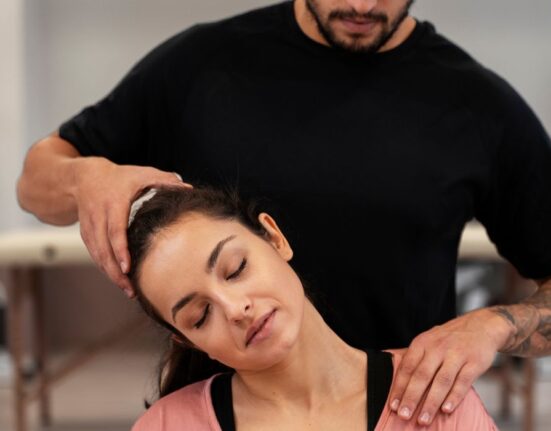
Chronic pain does not stay in the body alone. It shapes mood, sleep, and the mental bandwidth people have left for everything else, which is part of why patients who visit a chiropractor after months of symptom management often ask the same question: why does relief keep fading? In Scottsdale, Arizona, ryderchiropractic.com is the online home of Ryder Chiropractic, a chiropractic and acupuncture practice built around a different premise: that lasting improvement comes from identifying the mechanical or neurological root of a problem rather than repeatedly treating its symptoms. The practice serves families, athletes, prenatal patients, and personal injury or work injury cases, led by a doctor with more than 20 years of clinical experience.
The practice is owned and run by Dr Tracey Ryder-Rosenfeld, DC, known to patients simply as Dr Tracey. She graduated from New York Chiropractic College in 2003, spent eight years running a family wellness practice near Seattle, then returned to the Valley in 2011. Her scope now regularly includes athletes managing performance limitations, veterans dealing with service-related injuries, and patients navigating car accidents or workplace injuries.
What Credentials Actually Matter When Choosing a Scottsdale Chiropractor?
The credentials that matter most are tied to a specific technique or population, not a general license. Dr Tracey is Webster-certified, specific to prenatal care focused on pelvic balance and nervous system function during pregnancy. She also holds ICPA pediatric certification, obtained in 2009, reflecting additional training in adjusting infants and children. She is board certified in acupuncture in Arizona as well, letting her integrate needle-based treatment into a chiropractic plan rather than referring patients elsewhere for it.
“Patients come to us after they have already tried the quick fix and it did not hold,” Dr Tracey said. “Our job is to figure out what is actually driving the pain, and build a plan around that instead of just chasing the symptom every time it flares back up.” The practice offers both manual and instrument-assisted adjustments, adapting technique to a patient’s comfort level, age, or injury type.
Does Combining Chiropractic, Acupuncture, and Massage Actually Help Recovery?
Combining the three in one plan can address a wider range of symptoms than any single modality, because each targets a different layer of the same problem. Adjustments address joint alignment and nervous system function, acupuncture works on pain signalling, and massage addresses the soft tissue tension that often pulls a joint back out of position. Patients describe care plans that split time between chiropractic and acupuncture, adjusted based on how the body is responding.
| Factor | Single-modality visit | Combination plan |
| Joint alignment | Addressed directly | Addressed directly |
| Muscle tension | Often untreated | Addressed through massage |
| Pain signaling | Not directly targeted | Addressed through acupuncture |
| Plan adjusts week to week | Less common | Built into the model |
| Best suited for | Isolated, recent issues | Recurring, multi-factor pain |
A single, recent strain from an awkward lift may resolve with adjustments alone. A pain pattern that keeps returning over months, especially one layered with stress or an old injury, tends to respond better to a plan that treats the joint, tissue, and nervous system together.
Who the Practice Serves Beyond General Wellness
Prenatal patients come in for Webster-certified care, which many obstetric providers recommend as pregnancy progresses. Families bring children to Ryder Chiropractic for ICPA-certified pediatric adjustments, given differences in bone density and development. Athletes seek performance support, while veterans and personal injury or work injury patients make up another portion of the practice. Dr Tracey grew up near the Old Town Scottsdale location the practice now calls home, and stays active in local youth sports as the mother of five children.
For patients evaluating chiropractic options in Old Town or South Scottsdale, the questions worth asking are straightforward: how long have they been practising, do they hold certifications specific to your situation, and can they combine modalities in one plan. That combination of experience is worth factoring into a first visit or a return to care after a program that only masked symptoms temporarily.