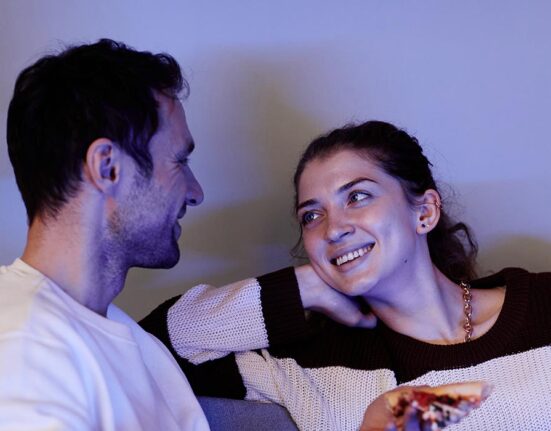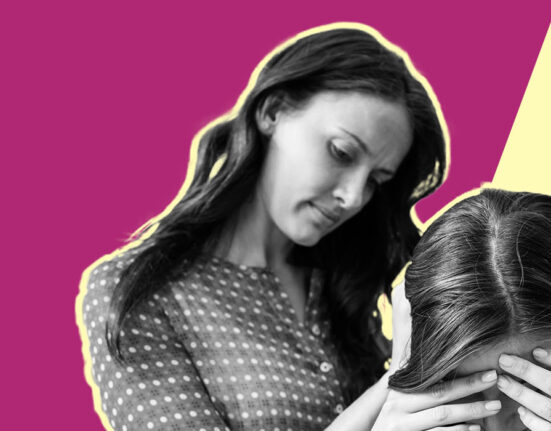
Relationships rarely unfold in a straight line. They move through slow mornings, unexpected stresses, changing routines and those quiet moments when you’re trying to understand what your partner is really feeling. Most couples learn each other’s patterns over time, when they need space, when they need closeness and how they show care even on difficult days. But for many people, those patterns are shaped not only by personality or life circumstances, but also by something less visible: mood. Depression, bipolar shifts and anxiety don’t announce themselves loudly in the beginning.
They weave into daily life, into how someone communicates, how they connect, how they interpret small things. And unless we know what to look for, it’s easy to misread the signs or blame ourselves. Understanding how mood disorders influence dating isn’t about labelling people. It’s about seeing the relationship more clearly, with research that explains what often goes unnoticed.
Read More: The Psychology Behind Mood Swings in Romantic Relationships
What “Mood Disorders” look like in Relationships
Relationship and dating quality can also be significantly affected by multiple forms of mood disorders, including major depressive disorder, bipolar disorder, anxiety, and anxiety-related mood disorders. There are several effects that a mood disorder can have on a romantic relationship.
Some examples include: a low mood, withdrawal from social recreational activities, irritability, sudden emotional volition, rapid mood changes and worrying about or avoiding your partner because of your mood disorder, as well as having your partner do the same (i.e. worry about you because of your mood disorder). Key relationship-relevant patterns found in research:
- Depressive symptoms can make people perceive partner behaviour more negatively and withdraw from conflict or support opportunities (Luginbuehl et al., 2024).
- Bipolar disorder brings episodic highs and lows. Manic or hypomanic phases may increase risk-taking and intense sexual interest, while depressive phases reduce interest and energy. Both of these strain partners and routines (Krogh et al., 2023).
- Social anxiety shows up as avoidance of dates or intimate situations, excessive worry about being judged and reliance on reassurance patterns that complicate forming and maintaining romantic connections (Strulov et al., 2024).
Read More: The Relationship Between Openness And Social Anxiety
How Mood Affects What Partners See and Do
A lot of relationships difficulty comes from how mood changes perception and behaviour, not just from the diagnosis itself. For example:
- When depressed individuals read neutral or mildly positive comments, they may misinterpret these as critical. As a result, they may withdraw or argue with their partner as a reaction to this perceived criticism (Luginbuehl, Schaefer, McKee, Buckwalter, & Stokes, 2024).
- Individuals experiencing mood variance often have lower-quality romantic relationships due to the partner’s difficulty in anticipating the individual’s needs, which limits the partner’s ability to adequately support the individual (Bowen, Corona, Emiliano, & Hill, 2017).
- People who are supporting an individual going through mood changes often experience anxiety, uncertainty, and/or worry in trying to decide how best to help that individual. Even when the support is given with the best intentions, it may still be perceived as being patronising or controlling because of a lack of knowledge and skill in relation to how to provide that support (Azorin, Delgado, & Morales-Hernandez, 2021).
These issues are not moral failings; they are predictable effects of how an individual’s mood can affect their cognition, emotion and behaviour (Yang et al., 2023).
Telling a New Partner: Disclosure and Stigma
Disclosing a diagnosis of a mood disorder is one of the more difficult aspects of living with one. Research has found that how you disclose your mood disorder diagnosis is more important than just saying you have one (Research Findings on The Quality Model of Mood Disorder Disclosure, 2022).
For example, a good disclosure would be honest, concise and framed in terms of your needs (e.g., “I sometimes get sad but feel better when I do this.”) instead of providing a detailed clinical history (Zaider et al., 2010). Three practical guidelines from research:
- Disclose your diagnosis to your partner at the most appropriate time for you to do so if their involvement and safety may be at risk due to your condition or there is a potential for occurrence of a mood episode (e.g., your partner may be impacted by the effects of your mood state on your actions, you may be affected by your partner’s beliefs about your needs relative to their relationship’s stability, your partner may need additional support to ensure their safety) (Azorin et al., 2021).
- Using the first person for describing feelings and needs will greatly reduce the stigma placed upon a partner who is receiving support (i.e., “I’m noticing when I’m having a low point, I tend to need more time and check-ins”). Using the “I” statement helps lessen accusations placed upon the partner and helps the partner understand the needs (Luginbuehl et al., 2024).
- There can be multiple responses to disclosing mental health needs, as each partner’s mental health literacy and emotional support resources may vary (Yang et al., 2023).
Recent surveys indicate that dating behaviours of people of all genders appear to be changing; the “dating culture,” particularly, is becoming more open to the topic of mental health. However, the stigmas of mental illness are still present in many settings (Match/Calm mental health dating surveys, 2024 – 2025).
Read More: What is the Penny Method in Dating?
The Tricky Truth About Sex and Intimacy
Sexual desire, frequency and satisfaction can change across mood episodes. Bipolar disorder, in particular, is linked with pronounced changes, elevated desire during excited phases and reduced interest during depression, but depression and anxiety also reduce libido and increase sexual avoidance for many people (Andreasen, 2025). What helps:
- It is necessary to create a mutual agreement between both partners as to how they will address their future mood changes due to their respective mood disorders. Having this mutual agreement allows for both partners to understand that they are working together collaboratively on the mood changes experienced by each partner, thereby keeping both from feeling unattractive or uninterested in one another as a result of having a mood disorder.
- It is important for both partners in a relationship to be aware of their mental health crisis (and each other’s) before they actually have one. Ideally, both would know what their rapport is, as well as what each partner is capable of doing within the confines of their relationship.
- If one partner’s behaviour negatively affects the other’s ability to function or withdraw their consent from the relationship, then both of them must seek education or reach out to an appropriate qualified professional as soon as possible.
Read More: The Psychology Behind Love and Romance
What helps Relationships Thrive
Several support strategies/skills/resources that have consistently been shown to provide greater success for couples experiencing a mood disorder can be found in the literature.
- Dyadic Coping: By working together to manage their individual challenges, partners can hold each other accountable, honour the other’s feelings, and ultimately develop a more satisfying relationship and improved mental health outcomes.
- Empathy and Perspective-taking: The demonstration of compassion by one’s partner decreases conflict between partners and provides a greater sense of emotional security.
- Structured Interventions: Couple-focused interventions such as couple therapy and/or online interventions have demonstrated positive outcomes, including reduced levels of incidence and increased levels of relationship satisfaction (Keller et al., 2023).
- Psychoeducation: All parties in a relationship should know about the specific mood disorder and its usual causes and warning signs. Teaching your partner about these methods may help prevent blaming each other and respond positively to each other’s needs.
These strategies may not apply to everyone in all situations; therefore, the above examples may act as a foundation from which to create your own approach, and include:
- Establishing a mutual understanding of needs.
- Finding solutions together.
- Utilising resources promptly (Novak et al., 2025).
Read More: How to Talk About Sex with Your Partner
Practical Tips for Partners and People Dating with Mood Disorders
These tips, based on research, are designed to mitigate any actual damage or harm caused by your partner’s mood disorder to promote a feeling of connection in your relationship.
- Communicate in a precise manner with your partner regarding their behaviours and emotions by using detailed examples of what you see happening at the same moment the behaviour occurs. Do not assign blame or accuse your partner of anything; simply describe what you see and observe about your partner’s behaviours and actions with no implication of a defect in their character or personality.
- Create a Plan Together to Cope with Mood Flare-ups: Identify behaviours that support your partner and support each other as you deal with your mood flares. Compile a list of people you can both call for help and determine which chores you can divide.
- Set Regularly Scheduled Checks: It is possible to have a “check-in” for both partners in a relationship. You may ask different open-ended questions about your partner’s well-being and have curiosity toward their feelings, rather than trying to repeat the same questions over and over again (e.g., “How are you?”).
- Search couples therapy now if distresses recur: If you are having repeated “low moods” due to a possible cyclical pattern, research shows that finding not only a couples therapist, but also receiving psychoeducational support during these difficult times, will greatly improve the individual and couple’s mental wellbeing (Keller et al., 2021).
- If either of you has any type of thoughts about self-harm or is contemplating suicide, please seek immediate assistance from professional medical services or crisis support resources.
Love can go beyond labels
While people who experience a mood disorder may view and behave towards love differently, the existence of a mood disorder does not mean that couples cannot have healthy relationships. Across research on depression, bipolar disorder and anxiety, there are two common and positive aspects:
- The source of relational strain following mood-related processes is understandable and not a reflection of the couple’s moral failure, and
- Couples that understand, communicate and cope effectively join together to protect one another’s mental well-being and the couple’s overall relationship well-being (Azorin et al., 2021).
Mood may set the weather, but partners still get to decide how they build their shelter. With knowledge, communication and compassion, relationships touched by mood disorders can’t just be stable, but surprisingly strong.
References +
Azorin, J.-M., Kaladjian, A., Adida, M., Fakra, E., & Belzeaux, R. (2021). Mood episodes and relationship functioning in bipolar disorder: An updated clinical overview. Journal of Affective Disorders, 292, 340–349. https://doi.org/10.1016/j.jad.2021.05.050
Bowen, M., Holman, T. B., & Busby, D. M. (2017). Stably unstable: The role of mood instability in romantic relationship functioning. Journal of Social and Personal Relationships, 34(3), 395–415. https://doi.org/10.1177/0265407516640605
Braithwaite, S. R., Selby, E. A., & Fincham, F. D. (2017). The role of emotional reactivity and interpersonal processes in romantic relationship stress. Clinical Psychological Science, 5(5), 805–820. https://doi.org/10.1177/2167702617707892
Chaudoir, S. R., & Fisher, J. D. (2010). The Disclosure Processes Model: Understanding disclosure decision-making and outcomes for individuals with concealable stigmatised identities. Psychological Bulletin, 136(2), 236–256. https://doi.org/10.1037/a0018193
Earnshaw, V. A., & Quinn, D. M. (2012). The impact of stigma in healthcare on people living with chronic illnesses. Journal of Health Psychology, 17(2), 157–168. https://doi.org/10.1177/1359105311414952
Keller, A., Lang, R., & Schulz, K. (2021). Web-based couple interventions for mental health: A randomised controlled evaluation of a dyadic support program. Journal of Medical Internet Research, 23(4), e24685. https://doi.org/10.2196/24685
Krogh, J., Gutiérrez-Rojas, L., Tölle, M., & Vieta, E. (2023). Sexual functioning across mood episodes in bipolar disorder: A systematic review. Bipolar Disorders, 25(1), 56–72. https://doi.org/10.1111/bdi.13258
Luginbuehl, M., Larose, M.-P., Gouin, J.-P., & Hebert, R. (2024). Depressive symptoms and negative interpretation bias in romantic conflict: A dyadic daily experience study. Journal of Social and Clinical Psychology, 43(2), 102–123. https://doi.org/10.1521/jscp.2024.43.2.102
Match & Calm. (2024). The Mental Health in Dating Report. https://www.calm.com/blog/mental-health-dating-report
Strulov, O., Zilcha-Mano, S., & Rafaeli, E. (2024). Social anxiety and romantic relationships: A meta-analytic review of attachment, functioning, and communication. Clinical Psychology Review, 103, 102261. https://doi.org/10.1016/j.cpr.2023.102261
Vujeva, H. M., & Furman, W. (2011). Depressive symptoms and romantic relationship functioning from adolescence to emerging adulthood. Journal of Clinical Child & Adolescent Psychology, 40(1), 123–135. https://doi.org/10.1080/15374416.2011.533415
Yang, X., South, S. C., & DeLongis, A. (2023). Emotional reactivity, stress responses, and romantic relationship dynamics: A process-based review. Emotion Review, 15(2), 155–170. https://doi.org/10.1177/17540739221139252
Zaider, T. I., Heimberg, R. G., & Iida, M. (2010). Anxiety, avoidance, and interpersonal processes in romantic relationships: A daily diary study. Journal of Social and Clinical Psychology, 29(6), 671–696. https://doi.org/10.1521/jscp.2010.29.6.671