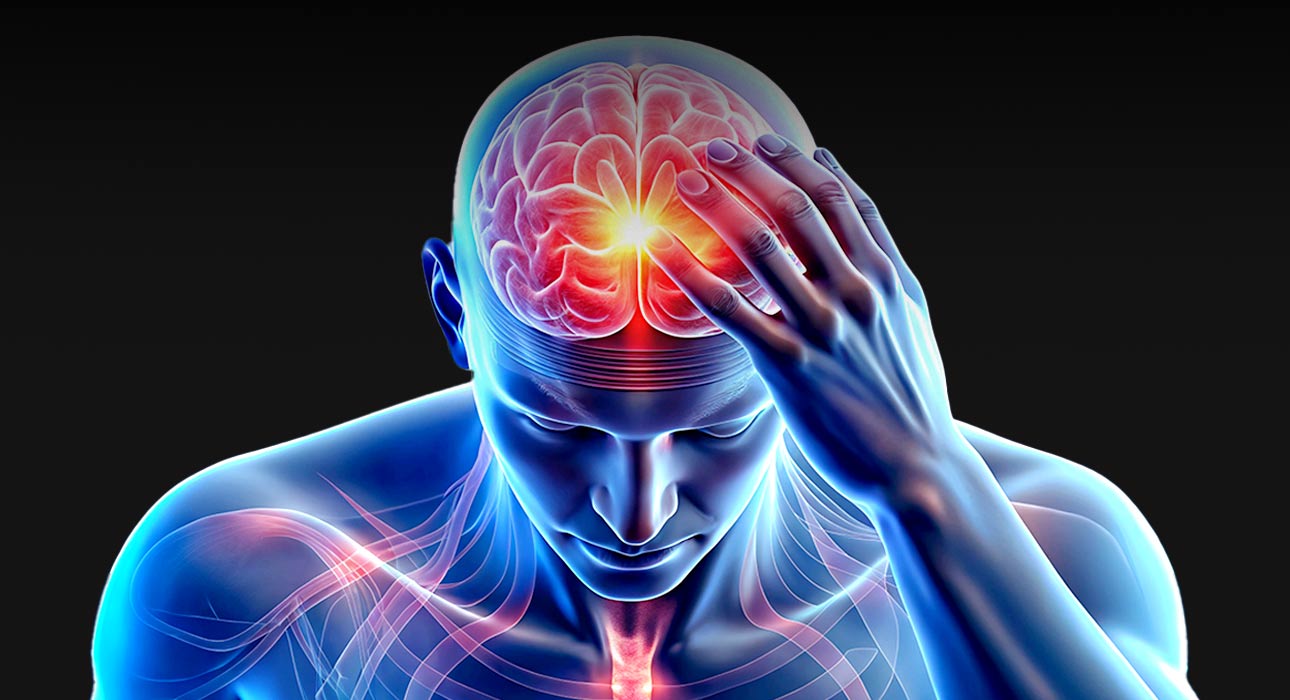
People’s expectations can shape how much pain they actually feel. The research looks at the nocebo effect, how negative expectations (fear, seeing others suffer, or past trauma) can make pain worse. This matters because such expectations change patients’ real experiences and can undermine treatment. The study digs into the brain mechanisms behind this effect, showing how neural pathways amplify pain when someone expects a bad outcome.
Understanding the Main Theme
The nocebo effect happens when one is expecting harm or pain, which actually makes one feel increased pain or experience real side effects, even when there’s no harmful trigger present. This is the opposite way of understanding how the placebo effect works, where hoping you’ll get better can actually relieve your symptoms and lower your pain over time.
The study examines how psychological factors such as expectation, fear, and anxiety can initiate specific brain circuits that have the potential to make pain feel stronger. In simple words, the nocebo effect shows how the brain’s interpretation of pain signals can actually impact the pain response. Pain is not solely seen as a physical sensation, but it is also shaped by what’s happening in your mind and emotions.
Read More: Understanding the Nocebo Effect
Research Details
The study was conducted by researchers examining the brain pathways involved in the nocebo effect on pain perception. Participants were subjected to experimental pain stimuli under conditions designed to intensify nocebo responses by altering their expectations of increased pain. People did a study where they used machines like functional MRI to see what happens in our brain when we feel pain.
The study was done by a team of researchers from the University of Toronto Mississauga and McGill University who worked together to learn more about pain and how our brain deals with pain. They published their findings in Nature Communications. The team wanted to know how pain works and how our minds make pain feel worse or better. They used brain-scanning technology to track what happens in our brains when we are in pain.
Major Findings
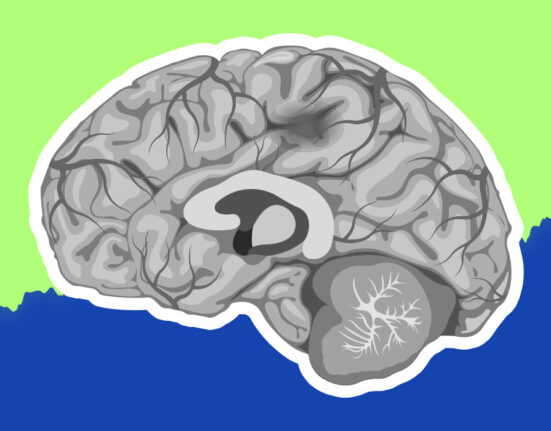
The study found that the nocebo effect wakes up parts of the brain that are closely linked to dealing with pain and emotions. This mainly involves the cortex and the hippocampus. The nocebo effect helps our brain to manage pain and handle emotions in a way. It especially affects two areas: the prefrontal cortex and the hippocampus. These regions are essential areas performing functions like processing expectations, memories, and anxiety, and when they work together, they can make pain feel much worse.
The findings showed it is clear that when someone expects something negative, it sets off a brain pathway that heightens their pain sensitivity. This assures that what we think and feel can directly change how much physical pain we experience. In the study, participants actually reported feeling more severe pain during nocebo conditions, which matched up perfectly with what the brain scans revealed.
The findings also revealed that a neurochemical, Cholecystokinin (CCK), is linked with the nocebo pain effect in humans. The specific brain pathway in which CCK acts was identified to travel from the brain’s anterior cingulate cortex (ACC), which does processing of emotional dimensions of pain, and passes to the lateral periaqueductal grey (LPAG), which involves increasing pain sensitivity.
Authors’ Perspective
The researchers see these findings as an empirical basis that the brain’s thinking and emotional systems are at the heart of the nocebo effect. They emphasise that when we understand how these pathways work, mental health professionals can better help patients avoid nocebo responses. By carefully understanding what patients expect and helping reduce their anxiety. This helps clinicians to actually improve treatment outcomes.
The study highlights that combining psychological and neurological perspectives leads to more effective pain management. This is because pain management works best when we consider both the neurological perspectives of pain management. It also highlights areas where we can act to reduce pain intensified by the nocebo effect. And that is really exciting because it gives us new ways to help people feel better with pain management.
Conclusion
This research sheds light on the brain’s mechanism involved in the nocebo effect, revealing how the expectation of pain can make it feel worse through specific neural pathways. The main point is really simple. It is very powerful. Pain is not something we feel in our body. Our brain processes shape our thoughts and emotions, which in turn significantly influence our experience of pain.
This research gives us a way to completely change the way we do things in clinics. If doctors and nurses can figure out what patients are expecting, they can change the way they help people with pain and make their treatments work better, which will make people feel better.
References +
- News, N. (2026c, May 26). Brain Pathway Identified That Amplifies Nocebo Pain Responses – Neuroscience News. Neuroscience News. https://neurosciencenews.com/nocebo-effect-brain-pathway-pain-30761/
- Colloca, L., & Miller, F. G. (2011). The Nocebo Effect and Its Relevance for Clinical Practice. Psychosomatic Medicine, 73(7), 598–603. https://doi.org/10.1097/psy.0b013e3182294a50
- Sturgeon, J. A., Cooley, C., & Minhas, D. (2024). Practical approaches for clinicians in chronic pain management: Strategies and solutions. Best Practice & Research Clinical Rheumatology, 38(1), 101934–101934. https://doi.org/10.1016/j.berh.2024.101934